Bad Knees: What Causes Them and When to Seek Help
When your bad knees, a common condition involving pain, stiffness, or reduced mobility in the knee joint. Also known as knee osteoarthritis, it affects over 14 million adults in India alone—and it’s not just something that happens to older people. Many assume it’s just wear and tear, but bad knees can start early due to obesity, past injuries, repetitive strain, or even genetics. If you’re avoiding stairs, struggling to stand up from a chair, or feeling a grinding sensation when you move, it’s not normal. It’s your body signaling something needs attention.
The knee replacement, a surgical procedure to replace damaged knee joint surfaces with artificial components is often the last resort, not the first step. Not everyone with bad knees needs it. People with uncontrolled diabetes, active infections, poor circulation, or severe nerve damage are often not good candidates. Even obesity can make surgery riskier and recovery harder. That’s why alternatives like physical therapy, weight management, and targeted exercises matter. And if you’ve been told your knees are "just worn out," ask if it’s truly degeneration—or if inflammation, muscle weakness, or alignment issues are the real culprits.
Osteoarthritis, a degenerative joint disease where cartilage breaks down over time is the most common cause of bad knees, but it’s not the only one. Meniscus tears, ligament damage, patellar tracking problems, and even gout can mimic the same symptoms. Many people mistake a sudden knee injury for "old age"—but a torn meniscus at 45 isn’t inevitable. It’s often the result of years of improper movement or lack of strength training. The good news? You don’t have to wait until your knee gives out to act. Early intervention can delay or even prevent surgery.
Recovery from knee issues isn’t just about rest—it’s about rebuilding. The knee recovery, the process of regaining strength, mobility, and function after injury or surgery timeline varies wildly. Some bounce back in weeks with the right rehab. Others struggle for months because they skipped the basics: muscle strengthening, joint mobility work, and weight control. There’s no magic pill, but science-backed routines—like low-impact cycling, straight-leg raises, and walking on flat surfaces—can make a real difference.
What you’ll find below are real stories and facts about who should avoid knee surgery, what actually helps with knee pain, and how people in India are managing bad knees without jumping straight to the operating room. From diet tips that reduce inflammation to rehab routines that work at home, these posts cut through the noise. No fluff. No hype. Just what works—and what doesn’t.
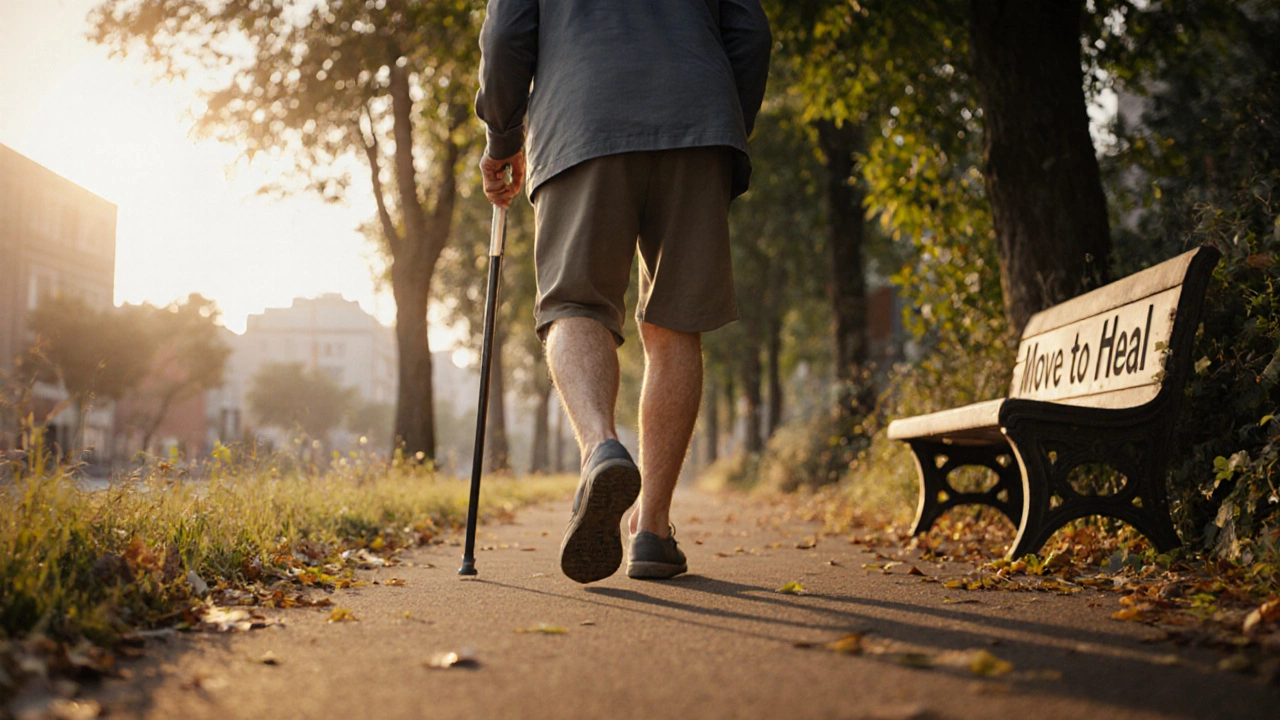
What Is the #1 Mistake That Makes Bad Knees Worse?
•1 Nov 2025
The #1 mistake that makes bad knees worse is stopping movement. Learn why inactivity speeds up knee damage, how to move safely with arthritis, and what actually helps before and after knee replacement surgery.