Bone Healing: What Helps Bones Repair Faster and Who Needs Special Care
When a bone breaks, your body doesn’t just sit around waiting—it starts rebuilding right away. This process, called bone healing, the natural biological process of repairing fractured or damaged bone tissue through inflammation, callus formation, and remodeling. Also known as fracture repair, it’s not the same for everyone. Some people heal in weeks. Others take months, or worse—don’t heal at all without help. The difference? It’s not luck. It’s what you’re feeding your body, how much you move, and whether you have conditions like osteoporosis, a condition where bones become weak and brittle due to loss of bone density, making fractures more likely and healing slower or uncontrolled diabetes, a metabolic disorder that impairs blood flow and cell repair, directly slowing bone regeneration.
Bone healing needs three things: the right materials, the right movement, and the right timing. Calcium and vitamin D are the basics, but magnesium, zinc, and protein matter just as much. If you’re not eating enough protein, your body can’t build the collagen scaffold that new bone grows on. And here’s the catch—staying completely still? That’s actually the worst thing you can do. Movement, even gentle weight-bearing, signals your bones to rebuild stronger. That’s why physical therapy isn’t optional after a fracture. But if you have poor circulation, nerve damage, or an infection near the break, your body can’t deliver the tools it needs. That’s when healing stalls, and you risk non-union—where the bone never fuses back together.
People over 65, smokers, those on long-term steroids, or with kidney disease often heal slower. Their bones aren’t just broken—they’re under stress from other systems failing. That’s why dental implants, knee replacements, and even simple fractures can turn into major problems for these groups. The posts below don’t just talk about broken bones. They show how bone healing connects to everything else—your kidneys, your blood sugar, your weight, even your insurance coverage for treatments. You’ll find real stories about people who healed fast because they changed their diet, others who failed because they ignored their diabetes, and cases where skipping movement made things worse. This isn’t theory. It’s what happens when your body tries to fix itself—and what you can do to help it.
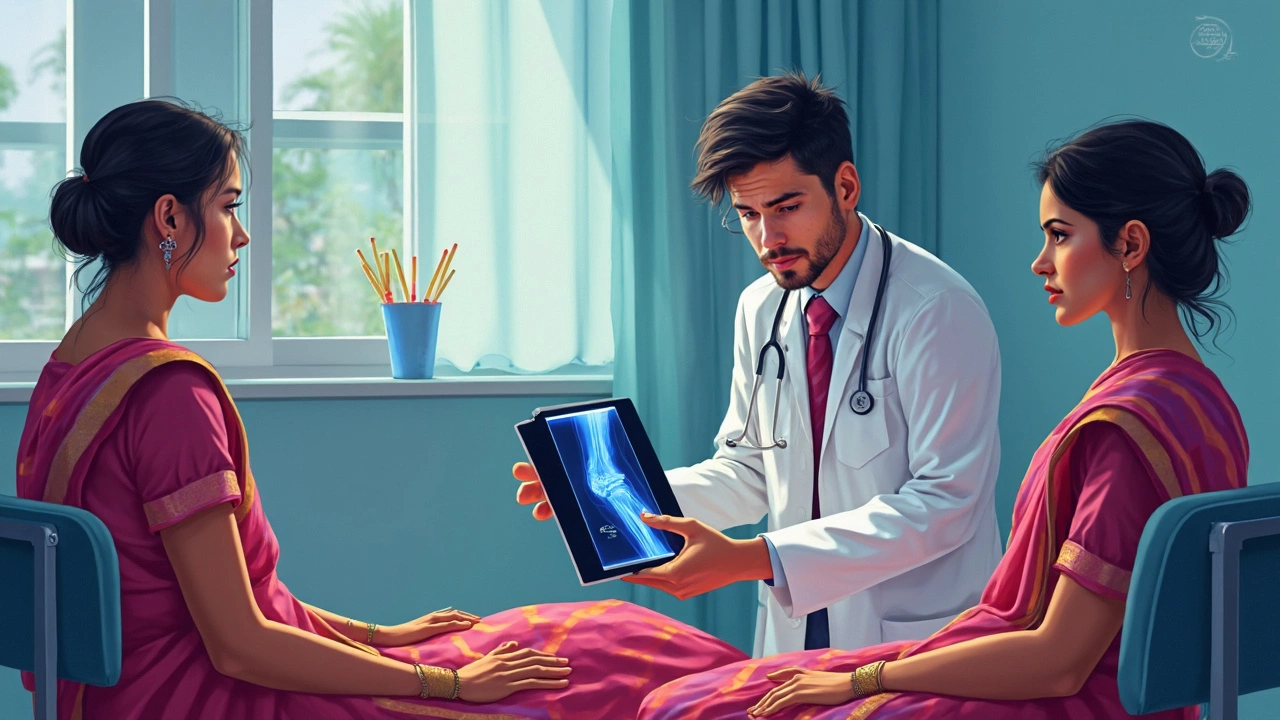
What is the Hardest Bone to Heal?
•8 Apr 2025
Bone healing can be a tough process, especially for certain bones that just don’t want to cooperate. Have you ever wondered which bone gives doctors the most trouble? You're not alone! Understanding why some bones are particularly stubborn when it comes to healing can help you prepare better if you or someone you know faces this challenge.