Bone Healing at Age 70: What Really Happens and How to Support It
When you're 70, your bones don't heal the same way they did at 30. This isn't just aging—it's biology. bone healing at age 70, the process by which broken or damaged bones repair themselves in older adults. It's slower, more fragile, and often complicated by other health issues. The body still tries to fix itself, but the tools it uses—like bone-forming cells and blood flow—are reduced. That’s why a simple fall can lead to weeks of recovery instead of days.
bone density, the amount of mineral content in bone tissue drops sharply after 65, especially in women after menopause. This makes bones more likely to break and harder to mend. osteoporosis, a condition where bones become porous and weak affects nearly half of women over 70. Even minor trauma—a stumble, a cough, a reach for something high—can cause a fracture. And once it happens, healing isn’t automatic. It needs support.
What helps? Protein. Vitamin D. Calcium. Movement. Not heavy lifting, but walking. Standing up from a chair. Gentle stretching. These aren’t just "good habits"—they signal your bones to rebuild. Studies show seniors who stay active recover faster and with less pain. Medications like bisphosphonates can slow bone loss, but they don’t speed up healing. Nutrition does. Many older adults don’t get enough protein or vitamin D, not because they don’t care, but because they forget to eat or their bodies absorb less. A simple egg, a glass of fortified milk, or a short walk in sunlight can make a real difference.
Recovery isn’t just about the bone. It’s about muscles, balance, and confidence. After a fracture, fear of falling often leads to inactivity, which makes muscles weaker and bones even more vulnerable. That’s the cycle: break → rest → weaken → break again. Breaking that cycle means getting back up, even slowly. Physical therapy isn’t optional—it’s essential. And it’s never too late to start.
You’ll find posts here that don’t just talk about bones—they talk about what comes after. From knee replacements to diabetes drugs that affect healing, from insurance questions to natural support options, these articles connect the dots between aging, mobility, and medical care. If you or someone you love is facing a fracture, recovery isn’t about waiting for time to heal it. It’s about knowing what to do next.
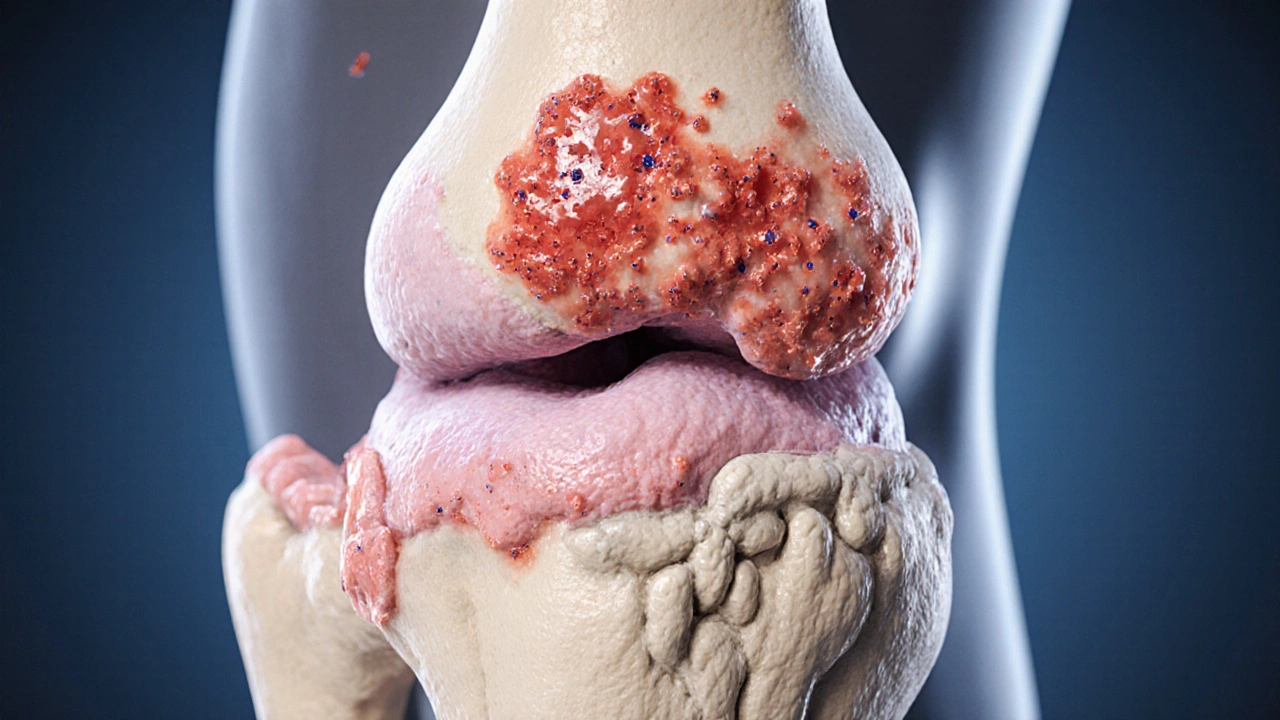
70-Year-Old Bone Healing Time: What to Expect After a Fracture
•14 Oct 2025
Learn how long a 70‑year‑old's bones take to heal, factors that affect recovery, practical tips, and when to seek medical help.