Fracture Recovery Elderly: What Works, What Doesn't, and How to Speed It Up
When an older adult breaks a bone, recovery isn’t just about waiting for the bone to knit—it’s a whole-body challenge. Fracture recovery elderly, the process of healing broken bones in people over 65, often involves slower healing, higher risks of complications, and long-term mobility loss. Also known as senior bone healing, it’s not just a medical event—it’s a turning point that can change how someone lives for months or even years. Unlike a 30-year-old who might bounce back in weeks, an 80-year-old with a hip or wrist fracture could face months of rehab, loss of independence, or worse.
The biggest problem? Osteoporosis, a condition where bones become brittle and break easily from minor falls or even coughing. Also known as bone density loss, it affects nearly half of women over 75 and a third of men over 80. If your bones are weak, even a small fall can lead to a fracture—and once one happens, the risk of another skyrockets. That’s why recovery isn’t just about fixing the break; it’s about rebuilding strength, balance, and confidence. Many seniors don’t realize that inactivity after a fracture makes things worse. Staying still to "protect" the injury leads to muscle loss, joint stiffness, and a higher chance of falling again. Movement—even gentle, guided movement—is the real medicine.
Recovery also depends on nutrition. Protein, vitamin D, and calcium aren’t just buzzwords—they’re non-negotiable. A senior who eats poorly after a fracture heals slower and loses more muscle. And it’s not just about pills. Real food—eggs, dairy, fish, leafy greens—makes a difference. Many families focus on pain meds and casts but forget that healing starts in the kitchen. Physical therapy isn’t optional either. Skipping it because "it’s too hard" or "they’re too old" is a dangerous myth. Studies show seniors who start rehab within days of surgery regain mobility faster and are less likely to end up in a nursing home.
And then there’s the home. A fracture often means a fall—and a fall often means a dangerous environment. Loose rugs, poor lighting, no grab bars in the bathroom. Fixing the bone won’t help if the floor is still slippery. Simple home changes can prevent the next fracture before it happens.
What you’ll find below are real, practical guides written for families and seniors in India. From how to support healing with food and movement, to what rehab exercises actually work for older bodies, to the hidden dangers of bed rest. These aren’t generic tips. They’re based on what’s been proven to help real people over 65 get back on their feet—safely and for good.
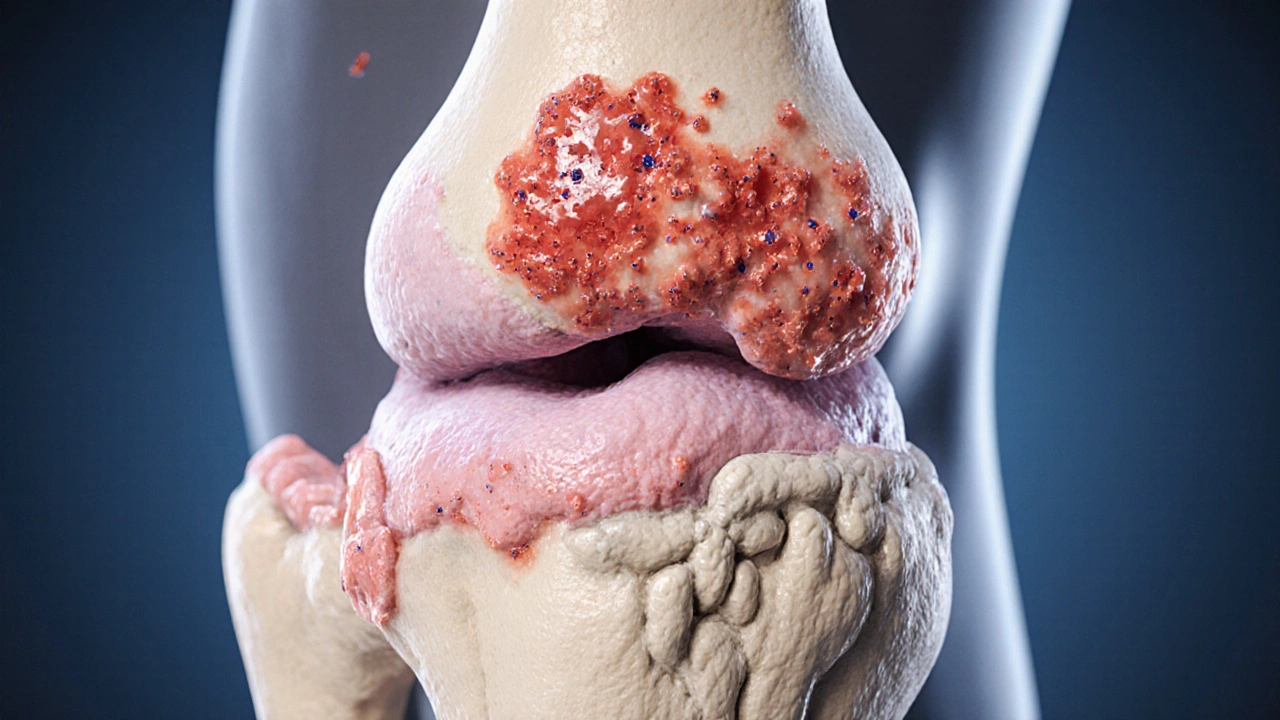
70-Year-Old Bone Healing Time: What to Expect After a Fracture
•14 Oct 2025
Learn how long a 70‑year‑old's bones take to heal, factors that affect recovery, practical tips, and when to seek medical help.