Hardest Bone to Heal: What Causes Slow Recovery and How to Fix It
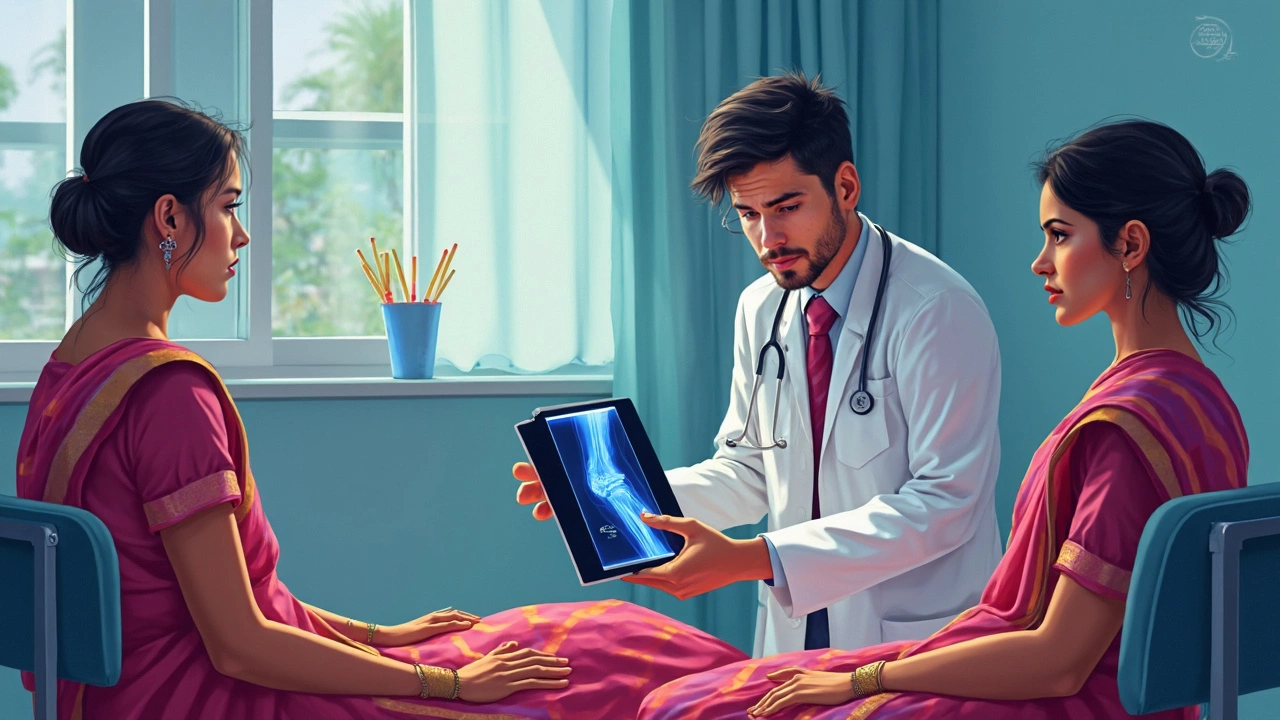
When it comes to bone healing, not all fractures are created equal. The scaphoid bone, a small, boat-shaped bone in the wrist that connects the forearm to the hand, is widely recognized as the hardest bone to heal. Why? Because it has a poor blood supply—especially in its proximal pole—and even a minor break can turn into a long, painful battle. Unlike your shin or ankle, where blood flows freely to repair damage, the scaphoid relies on just a few tiny vessels. If those get cut off during injury, healing stalls. This isn’t just theory; it’s why doctors see so many cases where a wrist fracture doesn’t improve after months, even with a cast.
What makes this worse is that people often ignore a sprained wrist. They think it’s just a bruise, pop some ibuprofen, and carry on. But if the scaphoid is cracked, waiting too long means the bone starts to die. This is called nonunion fracture, when the broken ends of a bone fail to grow back together. It’s not rare—up to 15% of scaphoid fractures become nonunions if not treated properly. And once that happens, you’re looking at surgery, longer recovery, and possibly permanent stiffness. Even worse, the longer you wait, the higher the chance of avascular necrosis, when bone tissue dies due to lack of blood flow. This isn’t just about pain—it’s about losing wrist function for good.
It’s not just the scaphoid, though. Other bones like the femoral neck, talus, and certain parts of the hip also struggle to heal because of poor circulation. But the scaphoid is the most common culprit in everyday injuries. Athletes, construction workers, even people who slip on ice—anyone who lands on an outstretched hand is at risk. The good news? Early detection changes everything. A simple X-ray might miss a scaphoid fracture. That’s why doctors often recommend a follow-up scan after two weeks or jump straight to an MRI if pain doesn’t fade. Casts alone don’t fix this. Sometimes you need screws, bone grafts, or even stem cell treatments to kickstart healing.
Recovery isn’t just about waiting. Movement matters—just not too early, not too hard. Physical therapy tailored to wrist mobility, controlled loading, and even electrical bone stimulation can help. Nutrition plays a role too. Vitamin D, calcium, and protein aren’t just for kids growing tall—they’re critical for adult bone repair. And if you smoke? Quit. Nicotine cuts off blood flow even more, turning a slow heal into a never-heal situation.
The posts below cover real cases, recovery timelines, and what actually works when bones refuse to mend. You’ll find advice on when to push back on a doctor’s timeline, what supplements show real results, and how to avoid the traps that turn a simple break into a years-long problem. No guesswork. Just what people have learned the hard way—and how to do better.
What is the Hardest Bone to Heal?
•8 Apr 2025
Bone healing can be a tough process, especially for certain bones that just don’t want to cooperate. Have you ever wondered which bone gives doctors the most trouble? You're not alone! Understanding why some bones are particularly stubborn when it comes to healing can help you prepare better if you or someone you know faces this challenge.