Heart Surgery Risk Factors: What You Need to Know Before Going Under the Knife
When you hear heart surgery, a medical procedure to repair or replace damaged heart structures, often used for blocked arteries, valve issues, or congenital defects. It's not just about fixing a problem—it’s about surviving the procedure and recovering well. Also known as cardiac surgery, it’s one of the most common but also one of the most serious operations people face. Not everyone who needs it can safely have it. The risks aren’t the same for everyone. Your age, other health problems, and even your lifestyle can change how dangerous the surgery is.
One major factor is diabetes, a condition where blood sugar stays too high, damaging blood vessels and slowing healing. People with uncontrolled diabetes have a much higher chance of infections after surgery and slower recovery. Then there’s obesity, a body weight that puts extra strain on the heart and makes surgery technically harder. It doesn’t just increase bleeding risk—it can lead to longer hospital stays and more complications. And don’t overlook kidney disease, a condition where the kidneys can’t filter blood properly, making it harder for the body to handle anesthesia and fluids during surgery. Many people don’t realize how closely heart and kidney health are tied.
Smoking, high blood pressure, and past heart attacks also raise the risk. Even if your heart looks okay on a scan, if your lungs are damaged from smoking or your arteries are stiff from years of high blood pressure, your body might not handle the stress. Some people think if they’re young, they’re safe—but that’s not always true. A young person with a rare genetic heart condition might face higher risks than an older person with well-managed disease. What matters most isn’t just your age, but your overall health picture.
You’ll find posts here that break down who should avoid certain heart procedures, what conditions make recovery harder, and how to prepare your body before surgery. Some of these articles talk about similar risks in knee replacements and dental implants—not because they’re the same, but because the body doesn’t heal well under stress. If you’ve got diabetes, poor circulation, or chronic infections, those problems don’t disappear just because you’re having heart surgery. They follow you into the operating room.
What you’ll see below isn’t just a list of warnings. It’s a practical guide to understanding what makes heart surgery riskier for some, and what you can actually do to improve your odds. Whether you’re considering surgery for yourself or helping someone else, these posts give you real, no-fluff insights—not theory, not marketing. Just what works, what doesn’t, and what your doctor might not tell you unless you ask.
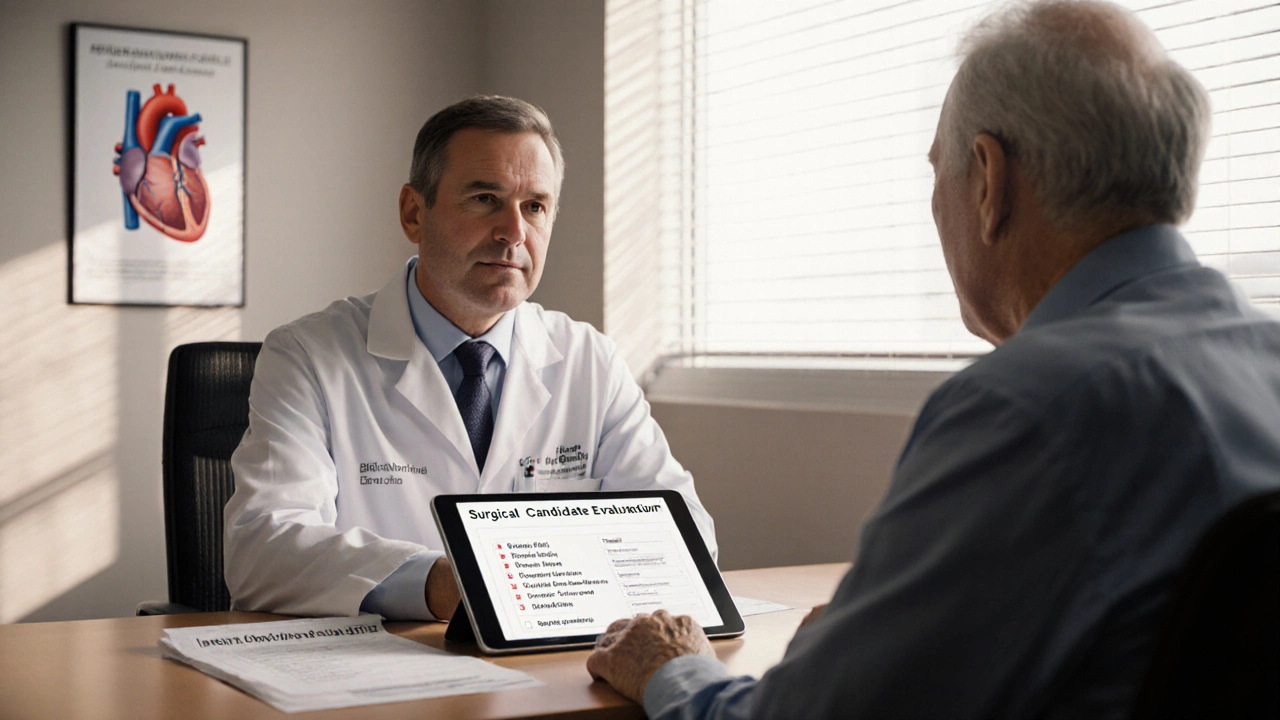
Who Should Avoid Heart Surgery? Key Contraindications Explained
•10 Oct 2025
Learn which health, age, and lifestyle factors make a person unsuitable for heart surgery, and discover safer alternatives and evaluation steps.