Herb King: The Power of Natural Remedies in Indian Medicine
When people talk about the Herb King, a term often used to describe the most potent and revered medicinal herb in traditional Indian systems. Also known as the queen of herbs, it’s not just a label—it’s a recognition of deep-rooted wisdom that’s been used for thousands of years to heal, protect, and restore balance. This isn’t just folklore. Modern science is catching up, confirming what Ayurveda has long known: certain plants carry compounds that fight inflammation, boost immunity, and even help regulate blood sugar and stress hormones.
The Ayurvedic herbs, a family of plants used in India’s ancient medical system to treat everything from digestive issues to chronic fatigue, are at the heart of this tradition. Turmeric, ashwagandha, tulsi, and ginger aren’t just spices—they’re medicine. You’ll find them in teas, powders, oils, and capsules across homes and clinics. These herbs don’t work like synthetic drugs. They support the body’s own healing systems. For example, ashwagandha helps lower cortisol, the stress hormone, while turmeric’s curcumin reduces joint pain without the side effects of NSAIDs. And tulsi? It’s a natural adaptogen that helps your body handle stress better, day after day.
What makes these herbs different from Western supplements? They’re rarely used alone. In Ayurveda, herbs are combined based on your body type—vata, pitta, or kapha. A natural remedy, a treatment rooted in plant-based ingredients and holistic principles isn’t just about what you take, but when, how, and why. That’s why a single herb like the Herb King might be paired with black pepper to boost absorption, or taken with warm water to aid digestion. This isn’t guesswork. It’s personalized medicine, built on centuries of observation.
You won’t find the Herb King in a pharmacy aisle labeled as a miracle cure. But you’ll find it in the quiet corners of Indian households, in morning teas, in postpartum care, in routines passed down from grandmothers. It’s not about quick fixes. It’s about building resilience. The posts below show how these herbs are used today—for weight loss, kidney support, diabetes management, and even recovery after surgery. Some people swear by them. Others are skeptical. Either way, the evidence is growing. And if you’ve ever wondered why so many Indians reach for a spoon of turmeric or a cup of tulsi tea, now you know.
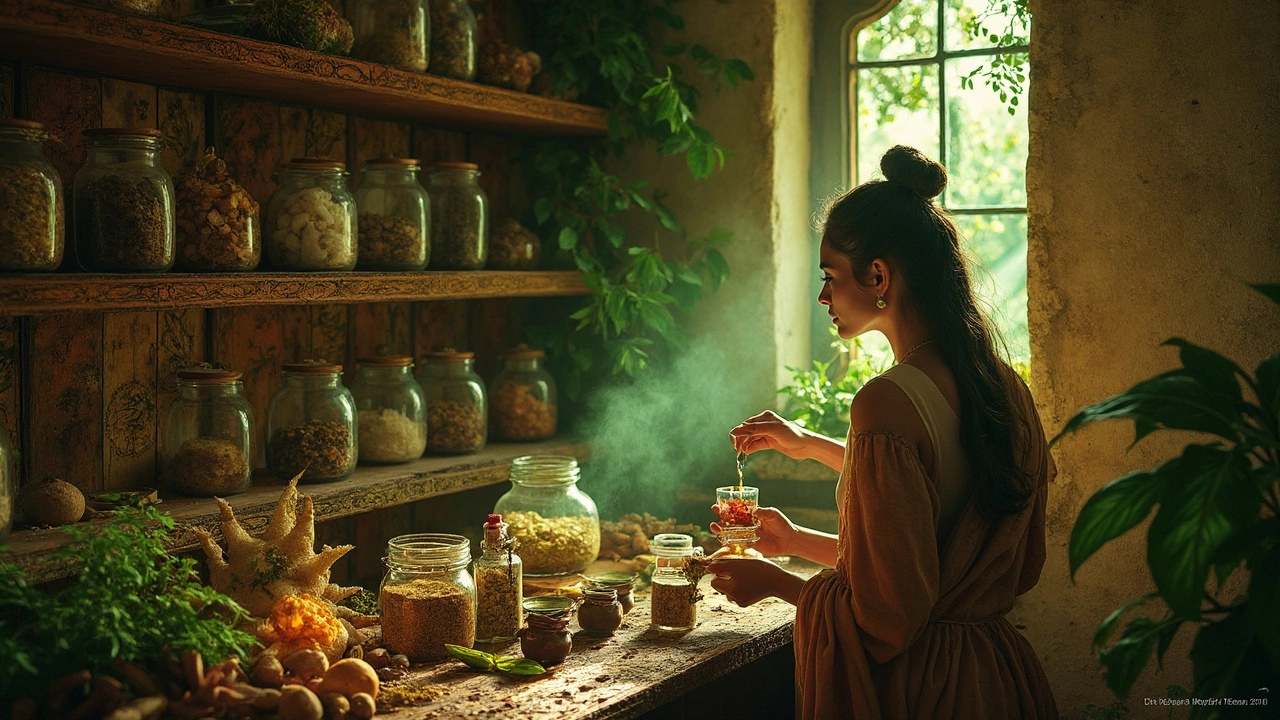
Discover the King of All Herbs in Ayurvedic Medicine
•25 Feb 2025
Explore the remarkable benefits of the herb considered the king in Ayurvedic medicine. This article dives into its unique healing properties, historical significance, and practical tips for incorporating it into daily life. Whether you're looking to boost immunity, reduce stress, or improve general well-being, this herb offers natural solutions. With a focus on accessibility and practical use, learn how this ancient remedy is making waves in modern holistic health.