Herbal Supplements: What Works, What Doesn't, and Who Should Use Them
When people talk about herbal supplements, natural products made from plants used to support health, often outside conventional medicine. Also known as botanicals, they’re one of the most popular ways Indians try to manage everything from diabetes to weight gain without prescription drugs. But here’s the truth: not every herb on the shelf actually does what it claims. Some help. Some do nothing. A few can even hurt you—especially if you’re already on medication.
Take berberine, a compound found in plants like barberry and goldenseal, often used to lower blood sugar like metformin. Studies show it can help reduce fasting glucose, and it shows up in posts about OTC alternatives to diabetes drugs. Then there’s Ayurvedic herbs, traditional plant-based remedies used for centuries in India to balance body systems called doshas. Ashwagandha for stress, fenugreek for digestion, turmeric for inflammation—these aren’t just folklore. Many have real science behind them. But they’re not magic. They work slowly, and they interact with prescriptions. If you’re on metformin, for example, stacking it with berberine without medical advice can drop your sugar too low.
And weight loss? You’ll find dozens of posts about weight loss herbs, natural substances marketed to burn fat or suppress appetite. Some, like Garcinia cambogia or green tea extract, have mild effects. Others, like certain unregulated Ayurvedic blends, contain hidden steroids or laxatives. The real winners? Lifestyle changes backed by herbs—not the other way around. Ayurveda doesn’t promise quick fixes. It asks you to adjust your routine, eat seasonally, and match your diet to your body type—like a vata person needing warm, grounding foods, not cold salads.
What’s missing from most herbal supplement ads? Transparency. No label tells you how much active ingredient is in each capsule. No one checks if it’s contaminated with heavy metals. And no one tracks long-term effects. That’s why posts on this site focus on what’s proven, what’s risky, and who should avoid these supplements entirely—like people with liver disease, pregnant women, or those on blood thinners.
You’ll find real examples here: how barley water supports kidney health, how Ayurvedic routines help with weight loss, and why some "natural" diabetes remedies are just repackaged sugar pills. This isn’t about chasing trends. It’s about understanding what herbs can truly do for you—and what they can’t. The goal isn’t to replace medicine. It’s to use these tools wisely, safely, and with full awareness of the risks.
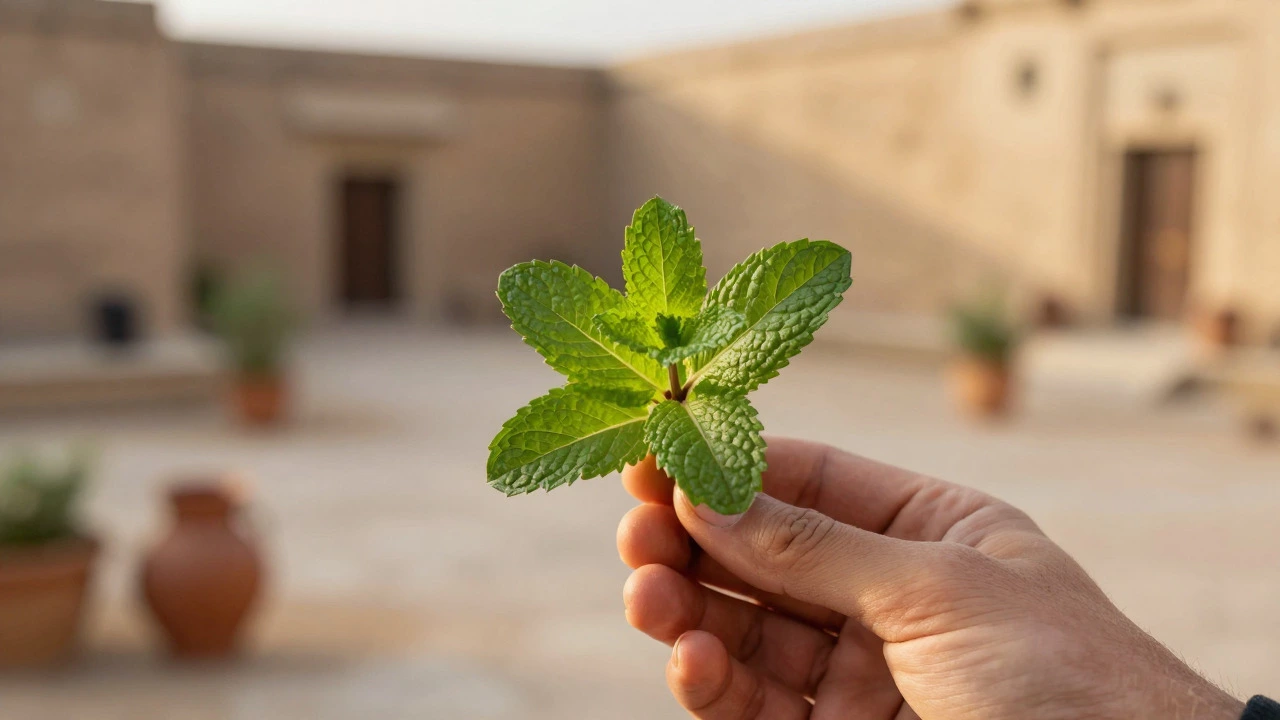
Biblical Meaning of Mint: Spiritual Symbolism and Herbal Uses
•25 Aug 2026
Discover what the Bible says about mint, exploring its symbolic meaning in tithing, hospitality, and medicinal use. Learn how this small herb reflects big spiritual lessons.

The 5 Main Types of Supplements: A Simple Guide to Vitamins, Minerals, Herbs, and More
•10 Jul 2026
Discover the 5 main types of supplements: vitamins, minerals, herbs, amino acids, and specialty options. Learn how each works, who needs them, and how to choose high-quality products safely.
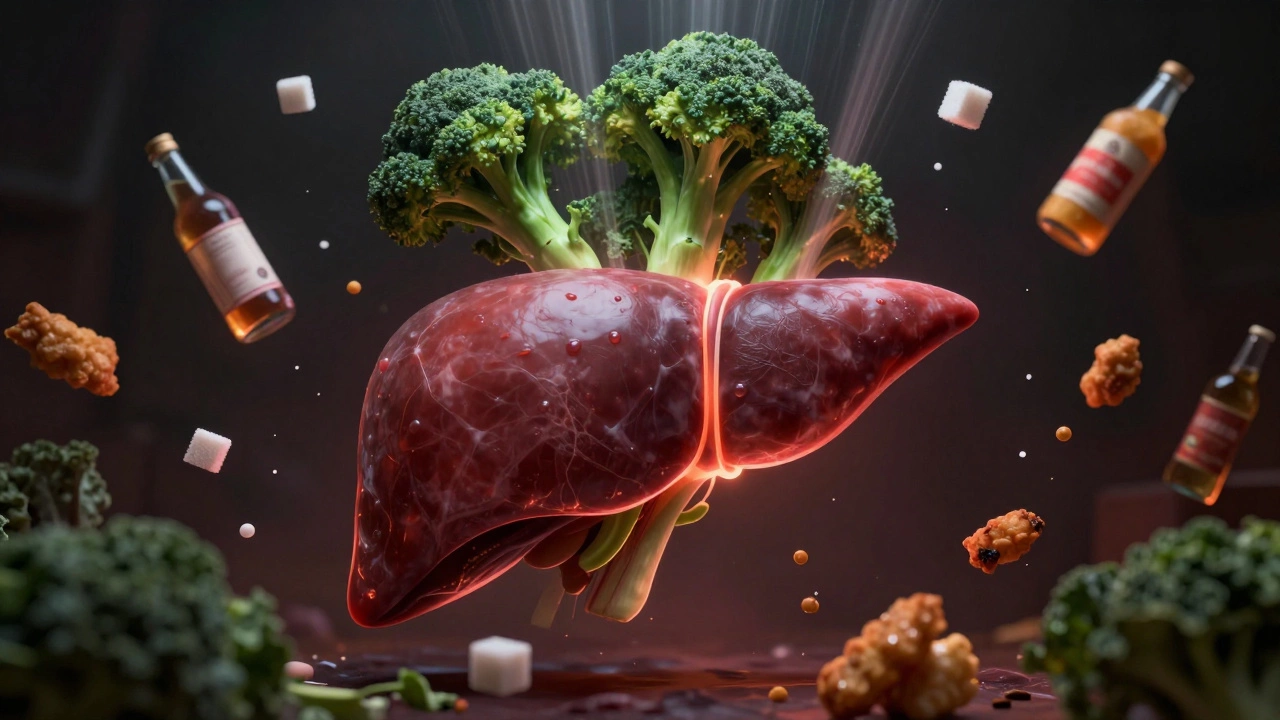
Can Apple Cider Vinegar Clean Out Your Liver? The Truth Behind the Hype
•9 Jan 2026
Apple cider vinegar won't clean your liver-no supplement can. Learn what actually supports liver health, why detox myths are misleading, and what real changes make a difference.

Are Herbs Toxic to the Liver? What You Need to Know
•20 Jun 2025
People often assume herbs are safe just because they’re natural, but some can actually harm your liver. This article digs into how herbs interact with your liver, which ones carry risks, and what symptoms to look out for if things go wrong. You'll find practical advice for picking safe herbal supplements and avoiding hidden dangers. Understanding the risks helps you make smarter choices about what you put in your body. Let’s cut through the hype and get to the facts about herbs and liver health.

CoQ10 Benefits: What Is It Good For and Why Should You Care?
•17 Jun 2025
Wondering why CoQ10 keeps popping up in supplement aisles? This article unpacks its main benefits, from powering up energy levels to supporting heart health and fighting off cell damage. You'll get real talk about how CoQ10 works, who might actually need it the most, and how to use it for best results. Plus, learn some quick tips on what to look for when buying CoQ10 so you don’t get ripped off. Whether you’re into fitness or just want to feel better every day, CoQ10 might surprise you.

Herbal Supplements: Is It OK to Take Them?
•6 Jun 2025
This article breaks down whether it’s actually safe to use herbal supplements. You’ll get straight facts about what these products do, how they can benefit or harm you, and what to watch out for. The article highlights real risks, common myths, and practical tips for picking and using herbal remedies. It helps you know what questions to ask your doctor and how to read supplement labels. By the end, you’ll be able to make smarter decisions about taking herbs for your health.

Is Nature Made Really a Good Brand for Herbal Supplements?
•5 Apr 2025
The article dives into whether Nature Made is a trustworthy brand for herbal supplements. It's packed with insights into their product range, quality checks, and what sets them apart. With practical tips and a look into real-world feedback, readers get a solid understanding of Nature Made's place in the supplement world. Uncover why Nature Made might be the right choice for those venturing into natural health remedies.

Discover the Top Herbal Supplement for Optimal Health
•31 Jan 2025
Herbal supplements have gained popularity for their potential health benefits and natural composition. While there are numerous options available, finding the most effective one can be challenging. This article delves into the top herbal supplement, its benefits, usage tips, and scientific backing, providing readers with a comprehensive understanding. Empowering individuals to make informed health choices naturally.
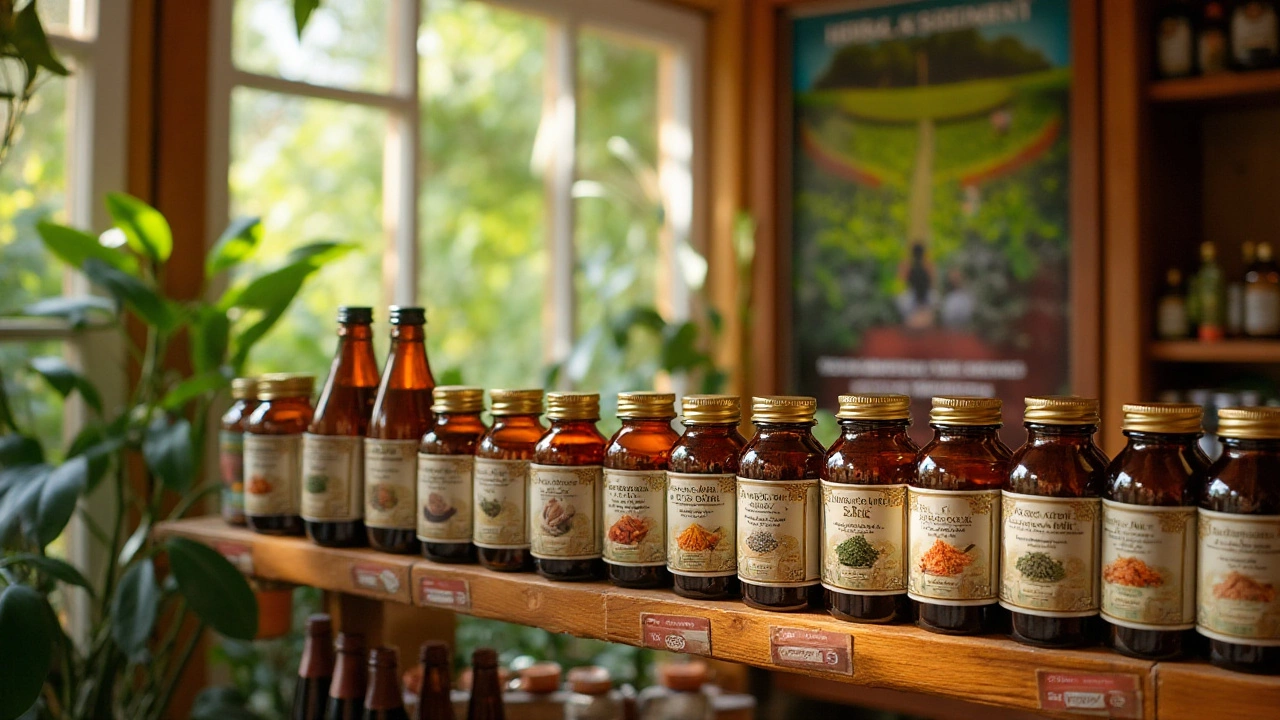
Top Herbal Supplement Brands You Can Trust for 2025
•12 Jan 2025
As the demand for natural remedies grows, choosing the best herbal supplements from reputable brands becomes crucial. This article explores trusted brands that provide high-quality herbal supplements, focusing on their sourcing, ingredient transparency, and sustainability practices. Gain insights into the effectiveness and safety of products from these brands. Tips on selecting the right supplement for your needs are also provided. Delve into the world of herbal wellness with informed choices.