Injury Treatment: What Works, What Doesn't, and When to Seek Help
When you hurt yourself—whether it’s a twisted ankle, a pulled muscle, or a deep cut—injury treatment, the immediate and ongoing care needed to heal damaged tissues after trauma. Also known as trauma care, it’s not just about slapping on a bandage. Proper injury treatment means knowing what to do in the first 24 hours, how to avoid making it worse, and when to walk into a clinic instead of waiting it out. Too many people treat every bump and bruise the same way, and that’s where things go wrong.
Not all injuries are the same. A soft tissue injury, damage to muscles, tendons, or ligaments from overuse or sudden force like a hamstring strain needs different care than a wound care, the process of cleaning, protecting, and monitoring open skin injuries to prevent infection and promote healing from a fall. You can’t ice a cut the same way you ice a sprained wrist. And you definitely shouldn’t pop painkillers and call it a day if your knee swells up after a twist. recovery timeline, the expected period for healing based on injury type, age, and overall health matters too. A minor bruise heals in days. A torn ligament? That’s weeks—or months—of careful movement, rehab, and patience. Rushing it leads to long-term damage.
Pain management is another area where people guess instead of act. Ice reduces swelling in the first 48 hours. Heat helps loosen stiff muscles after that. But if you’re still limping after two weeks, or your fingers go numb, or the pain wakes you up at night—those aren’t signs you just need more rest. They’re signs you need to see someone who knows the difference between a pulled muscle and a nerve issue. Too many delay care because they think it’ll get better on its own. It might. Or it might turn into a chronic problem that costs more time, money, and mobility down the line.
What you’ll find below isn’t a list of quick fixes. It’s a collection of real stories, clear guidelines, and hard truths about how injuries heal—or don’t. From why skipping physical therapy after a knee injury is a mistake, to what over-the-counter creams actually do (and what they don’t), these posts cut through the noise. You’ll see what works for people in India, what doesn’t, and how to avoid common traps that turn small injuries into long-term headaches. No fluff. No hype. Just what you need to heal right.
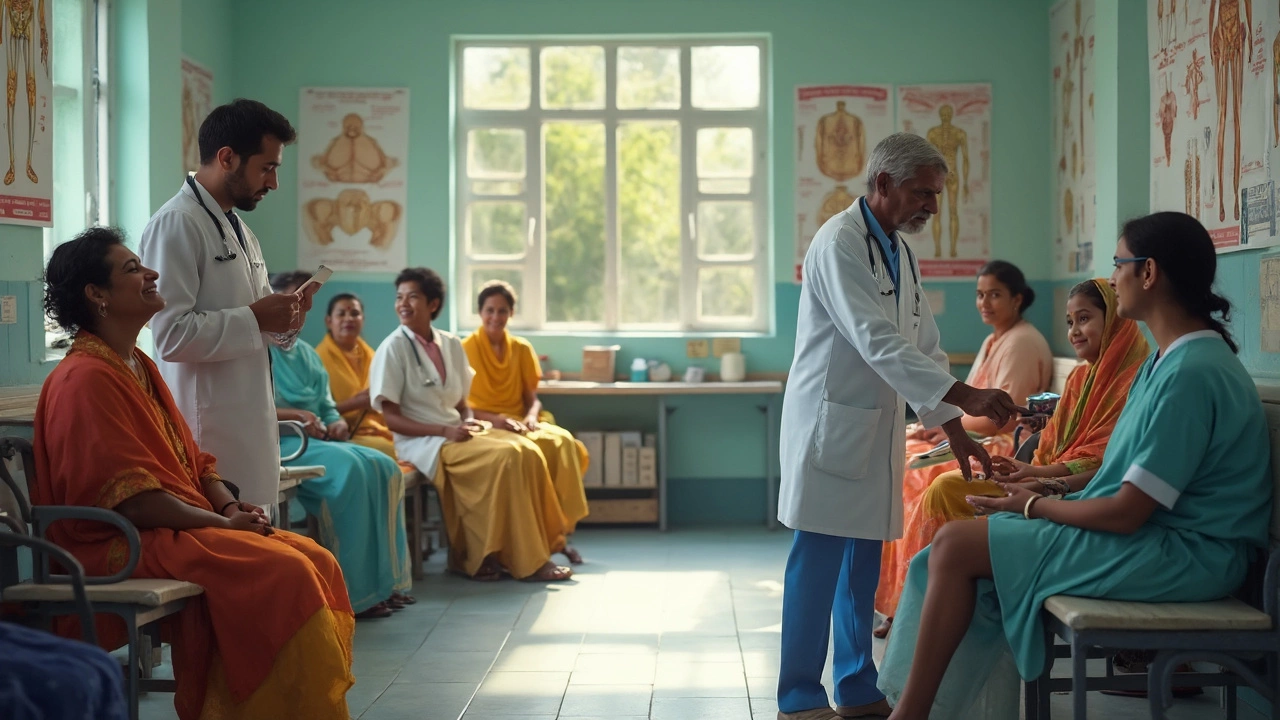
Orthopedics: What Do They Actually Fix?
•3 May 2025
Orthopedics is all about fixing bones, joints, and the things that hold them together. This article breaks down what orthopedics actually takes care of—from broken bones and torn ligaments to chronic problems like arthritis. Get the real scoop on what happens when you visit an orthopedic hospital. Plus, learn when you actually need to see a specialist and what you can try at home first. It’s a must-read if you care about moving pain-free or are worried about an injury.