Knee Pain: Causes, Risks, and What to Do When Surgery Isn't the Answer
When your knee pain, persistent discomfort in the knee joint that limits movement and daily activity. Also known as osteoarthritis pain, it affects millions in India—not just older adults, but athletes, overweight individuals, and even those with sedentary jobs. It’s not just about aging. Knee pain can come from wear and tear, injury, inflammation, or nerve issues. And while many assume surgery is the fix, that’s not true for everyone.
Before you consider a total knee replacement, a surgical procedure where damaged knee joint surfaces are replaced with artificial components, ask: are you a good candidate? People with uncontrolled diabetes, active infections, poor circulation, or severe nerve damage often face higher risks. Obesity makes recovery harder and increases the chance of implant failure. Age alone doesn’t disqualify you—but your overall health does. And if your pain comes from muscle weakness or alignment issues, surgery won’t fix the root cause.
That’s where knee rehab exercises, targeted physical therapy movements designed to strengthen muscles around the knee and improve joint stability come in. Many people find relief with simple routines—squats, straight-leg raises, hamstring curls—done daily. Weight loss, even just 5-10 pounds, can cut knee pressure by 20-40%. Braces, heat therapy, and anti-inflammatory diets also help. You don’t need a hospital stay to feel better.
Some think knee pain means giving up walking, climbing stairs, or playing with kids. But that’s not inevitable. The real question isn’t whether you have pain—it’s whether you’ve tried everything else. Too many skip physical therapy because they think it’s "not enough." But studies show rehab works better than surgery for many with mild to moderate arthritis. And if you’re considering surgery, knowing your risks saves you from regret later.
You’ll find posts here that break down who should avoid knee replacement, what alternatives actually work, and how to recover faster if you do go under the knife. No fluff. No marketing. Just clear, real-world advice from people who’ve been there—and the doctors who’ve seen what helps.
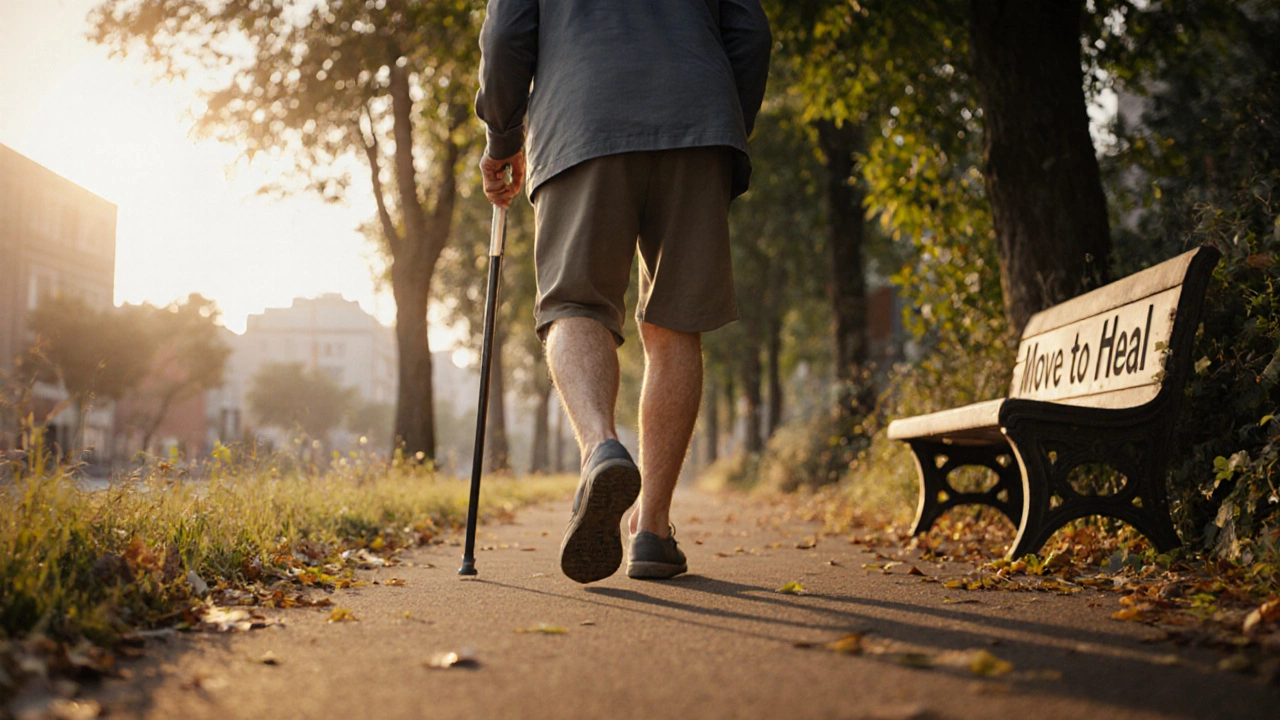
What Is the #1 Mistake That Makes Bad Knees Worse?
•1 Nov 2025
The #1 mistake that makes bad knees worse is stopping movement. Learn why inactivity speeds up knee damage, how to move safely with arthritis, and what actually helps before and after knee replacement surgery.