Knee Replacement: Recovery, Risks, and What Really Works
When your knee hurts so bad that walking to the fridge feels like a marathon, knee replacement, a surgical procedure where damaged knee joint parts are replaced with artificial components. Also known as total knee arthroplasty, it’s one of the most common and successful orthopedic surgeries in India, helping over 1 million people each year move without pain. But it’s not just about the surgery—it’s what happens after that makes all the difference.
Recovery isn’t a race, but some people get back to normal way faster than others. Why? It’s not magic. It’s knee rehab exercises, targeted movements designed to rebuild strength and flexibility after surgery. Physical therapy isn’t optional—it’s the backbone of recovery. Studies show patients who start moving the day after surgery heal 40% faster than those who wait. And it’s not just about walking. Things like straight-leg raises, heel slides, and seated knee bends aren’t just exercises—they’re your new daily habits. Skip them, and you risk stiffness, muscle loss, and a longer road back.
Then there’s the post-op knee rehab, the full process of healing, managing pain, and regaining function after knee surgery. This isn’t a one-size-fits-all plan. Your age, weight, fitness level, and even your sleep habits affect how fast you recover. Some people are back to gardening in six weeks. Others take three months. That’s normal. What’s not normal? Pushing too hard too soon. Pain is a signal, not a challenge. And nutrition matters more than you think—protein helps rebuild tissue, vitamin D supports bone health, and staying hydrated keeps your joints lubricated. Don’t underestimate the power of simple things: walking daily, sleeping well, and avoiding that second slice of cake.
There’s also the hidden stuff—like how your mental state affects healing. People who feel anxious or depressed after surgery often recover slower. That’s not in your head—it’s biology. Stress slows tissue repair. So finding ways to stay calm, whether it’s breathing exercises, listening to music, or just talking to someone who’s been through it, matters just as much as the physical therapy.
Below, you’ll find real guides on what actually works after knee replacement—from day-by-day recovery timelines to the exercises that make the biggest difference. No fluff. No marketing. Just what people who’ve been there say helped them walk pain-free again.

Who Is Not a Good Candidate for Total Knee Replacement?
•18 Nov 2025
Not everyone with knee pain needs a total knee replacement. Learn who should avoid this surgery due to obesity, infections, nerve conditions, age, or poor circulation-and what alternatives exist.
What Is the #1 Mistake That Makes Bad Knees Worse?
•1 Nov 2025
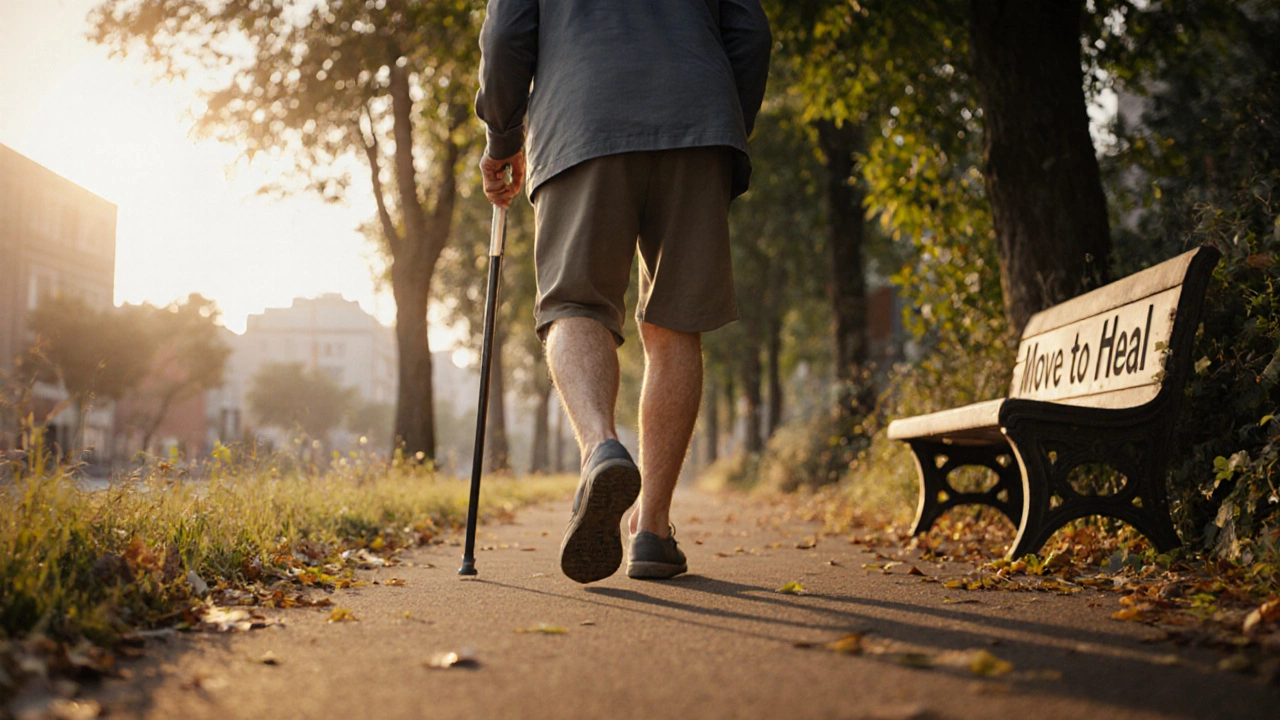
The #1 mistake that makes bad knees worse is stopping movement. Learn why inactivity speeds up knee damage, how to move safely with arthritis, and what actually helps before and after knee replacement surgery.

Why Can't You Shower After Knee Surgery? What You Need to Know
•9 May 2025
Wondering why your surgeon says no showers after knee surgery? There’s a good reason for it—keeping your wound dry is key for healing and avoiding infection. This article cuts through the medical jargon and lays out what you need to know about showering after a knee replacement. It covers how surgery affects your skin, what can go wrong if you get your knee wet too soon, and practical tips for staying clean safely. If you’re about to go under the knife or you’ve just had your knee done, you’ll want these tips.

How Long Do I Have to Sleep With My Leg Straight After Knee Replacement?
•19 Apr 2025
Just had knee replacement and not sure if you have to sleep with your leg straight? This article explains how long you really need to keep your leg straight after surgery, why it matters for recovery, and what happens if you bend it too early. Get straightforward tips on making sleep more comfortable, real insights from doctors, and clever hacks people use to actually get some rest after knee surgery.

The Hidden Costs of Delaying Knee Replacement Surgery
•19 Jan 2025
Delaying knee replacement surgery might seem like a convenient decision in the short term, but it can lead to severe long-term consequences. Prolonged postponement often results in increased pain, reduced mobility, and a lower quality of life. Discover why timely intervention is crucial for maintaining joint health and overall well-being. Explore the emotional and physical tolls of waiting and learn how to identify the right time for surgery.

Optimal Rest Period Following Knee Replacement Surgery
•18 Jan 2025
Recovering from knee replacement surgery requires a delicate balance between rest and activity. Patients must navigate varying timelines for healing, guided by factors such as individual health conditions and the type of knee replacement procedure they underwent. Knowing when to rest and when to engage in gentle activity are crucial elements to ensure a successful recovery journey. This article delves into the different stages of recovery and provides insights to help you make informed decisions during the post-surgery period.