Knee Replacement Risks: What You Need to Know Before Surgery
When your knees give out from years of wear, knee replacement, a surgical procedure to replace damaged knee joints with artificial parts often seems like the only way out. But it’s not a simple fix. Like any major surgery, it comes with real risks—from infection and blood clots to long-term stiffness or implant failure. And while most people walk better afterward, not everyone recovers the same way. Your age, weight, other health conditions, and even how active you were before surgery all play a bigger role than most doctors admit.
One of the biggest mistakes people make is thinking recovery starts after the hospital. It doesn’t. It starts the moment you decide to go under the knife. knee arthritis, the degenerative condition that often leads to joint replacement doesn’t just wear down cartilage—it weakens muscles, tightens ligaments, and changes how your whole body moves. If you’ve been avoiding movement to escape pain, your muscles are already shrinking. That makes recovery harder, slower, and riskier. Studies show people who stay active before surgery heal faster and have fewer complications. Inactivity? That’s the #1 thing that makes bad knees worse—and it doesn’t stop after surgery.
Then there’s the post-op recovery, the critical weeks and months after surgery when the body rebuilds strength and mobility. It’s not just about doing the exercises your physical therapist gives you. It’s about sleep, nutrition, managing swelling, and avoiding falls. A 70-year-old with diabetes and high blood pressure faces different challenges than a 55-year-old who hikes every weekend. Complications like blood clots, nerve damage, or implant loosening don’t happen often—but when they do, they turn a routine surgery into a months-long nightmare. And while most clinics focus on getting you walking in a day or two, few talk about the emotional toll. Depression after knee replacement is common, and it slows healing faster than anything else.
You’ll find real stories here—not theory. Posts that break down what actually goes wrong after surgery, who should think twice before going under the knife, and what steps make the biggest difference in recovery. Some people bounce back in six weeks. Others struggle for a year. The difference isn’t luck. It’s preparation, mindset, and knowing what to watch for. Whether you’re considering surgery next month or just starting to research options, this collection gives you the unfiltered truth about knee replacement risks, recovery pitfalls, and how to protect your long-term mobility.
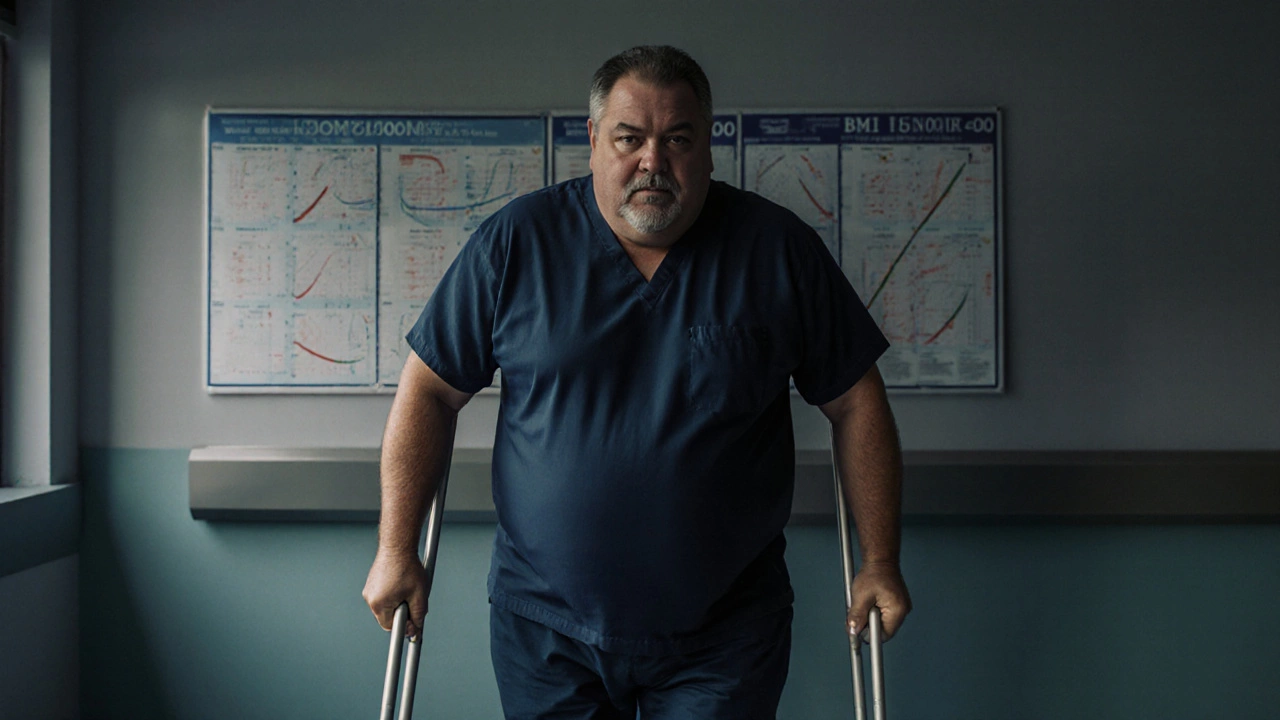
Who Is Not a Good Candidate for Total Knee Replacement?
•18 Nov 2025
Not everyone with knee pain needs a total knee replacement. Learn who should avoid this surgery due to obesity, infections, nerve conditions, age, or poor circulation-and what alternatives exist.