Orthopedic Injury: What It Is, Who It Affects, and How to Recover
When you hear orthopedic injury, a damage to bones, joints, ligaments, or tendons that affects movement and function. Also known as musculoskeletal injury, it’s not just something that happens to athletes—it shows up in office workers, grandparents, and kids playing soccer. These injuries range from a sprained ankle to a fractured hip, and they don’t always come from big accidents. Sometimes, it’s just years of standing too long, lifting wrong, or ignoring early joint pain.
Knee replacement, a surgical fix for severe joint damage, often caused by long-term orthopedic injury, is one of the most common treatments—but not everyone needs it. Many people with orthopedic recovery, the process of healing and regaining mobility after bone or joint damage get better without surgery by moving more, not less. The biggest mistake? Stopping movement because it hurts. Inactivity weakens muscles, speeds up joint breakdown, and makes recovery slower. Real recovery means smart movement, not rest.
Orthopedic injury doesn’t care about age. A 25-year-old athlete can tear a ligament. A 70-year-old can break a hip from a simple fall. What changes is how the body responds. Younger people heal faster but often push too hard. Older adults need more time and support. Joint injury, any damage to the point where two bones meet—whether from trauma, arthritis, or overuse—is the root of most problems. And when joints fail, the whole body adjusts. Your back, hips, even your feet, start compensating. That’s why treating just the knee or shoulder isn’t always enough.
Recovery isn’t a checklist. It’s a rhythm. It’s knowing when to ice, when to move, when to see a physical therapist, and when to say no to that extra workout. It’s also about understanding what treatments actually work. Not every surgery is necessary. Not every supplement helps. And not every online tip is safe. The posts below give you real stories, real data, and real advice from people who’ve been through it—from the fastest ways to bounce back after knee surgery, to who should avoid surgery altogether, to why stopping movement makes bad knees worse.
What you’ll find here isn’t theory. It’s what works for people with orthopedic injury right now—in India, in clinics, at home, and on the road to feeling like themselves again.
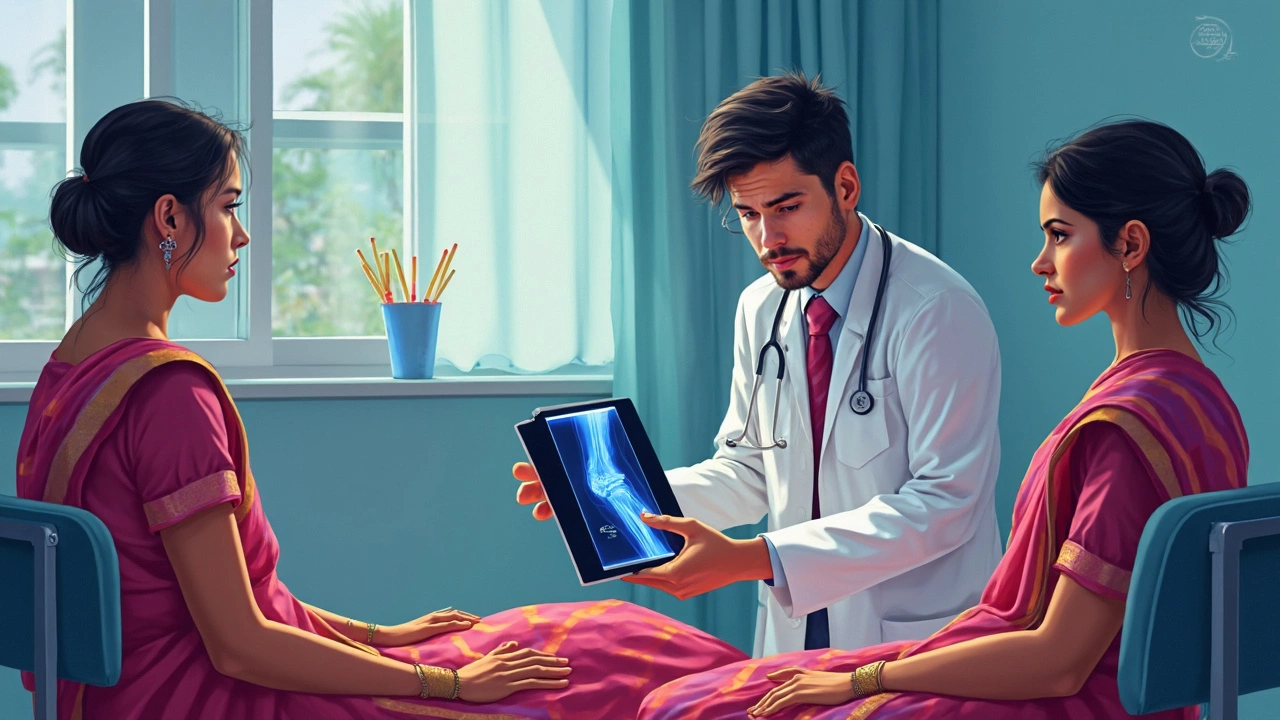
What is the Hardest Bone to Heal?
•8 Apr 2025
Bone healing can be a tough process, especially for certain bones that just don’t want to cooperate. Have you ever wondered which bone gives doctors the most trouble? You're not alone! Understanding why some bones are particularly stubborn when it comes to healing can help you prepare better if you or someone you know faces this challenge.