Osteoporosis Healing Time: How Long Does It Really Take to Recover?
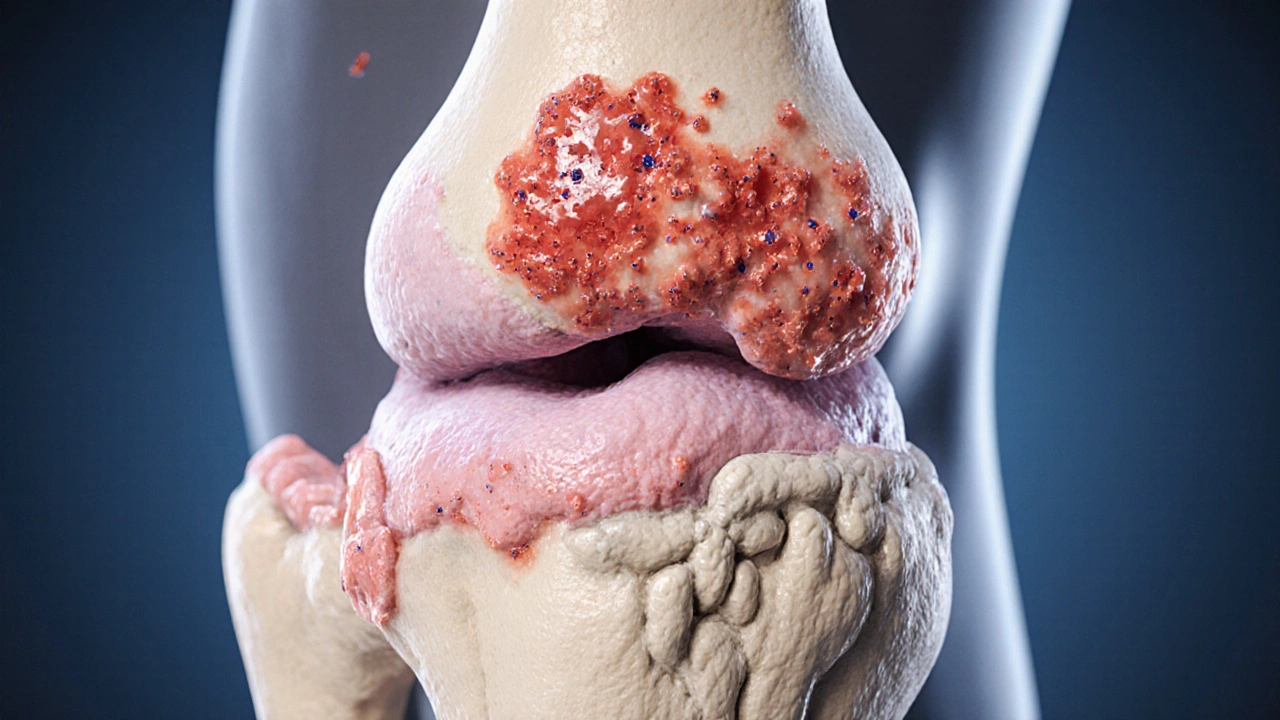
When you break a bone because of osteoporosis, a condition where bones become weak and brittle due to loss of density. Also known as brittle bone disease, it doesn’t just make fractures more likely—it changes how long they take to heal. Unlike a healthy bone that mends in 6 to 8 weeks, a fracture caused by osteoporosis often takes longer—sometimes 3 to 6 months—because the bone tissue itself is compromised. Healing isn’t just about time; it’s about rebuilding strength, and that’s where most people get stuck.
The real issue isn’t just the fracture. It’s the bone density, the measure of mineral content in your bones that determines their strength. If your bone density is low, your body struggles to lay down new bone cells fast enough. That’s why doctors don’t just say "wait and see." They look at your osteoporosis treatment, a combination of medication, nutrition, and movement designed to slow bone loss and stimulate new growth. Calcium and vitamin D? They’re the basics—but not enough on their own. Medications like bisphosphonates or teriparatide can make a real difference, especially if started early. And movement? Not just walking. Weight-bearing exercises like heel drops, standing on one foot, or light resistance training signal your bones to grow stronger. Sitting still makes things worse.
Healing time also depends on where the break happened. A wrist fracture might heal faster than a hip or spine fracture. Spine fractures, often silent until you lose height or get a hunched back, can take months just to stabilize—and sometimes never fully heal without intervention. Age matters too. Someone in their 70s with osteoporosis won’t heal like a 50-year-old, even with the same treatment. But that doesn’t mean recovery is impossible. It just means you need a smarter plan.
What you eat, how much you move, and whether you stop smoking or drinking alcohol all change the game. One study found that people who combined protein-rich meals with daily weight-bearing activity improved their bone density by 3% in a year—enough to reduce future fracture risk significantly. And here’s the thing: most people don’t realize that healing doesn’t end when the pain goes away. The bone is still rebuilding underneath. Skipping follow-up scans or quitting supplements too soon is why so many end up with another break.
There’s no magic number for osteoporosis healing time. But there are clear steps that work. You need to treat the root cause—not just the break. That means checking your bone density regularly, sticking with your meds, moving daily, and eating right. The good news? With the right approach, you can stop the cycle. You can rebuild strength. You can get back to living without fear of the next fall.
Below, you’ll find real stories and science-backed advice from people who’ve been through it—how they recovered, what helped, and what they wish they’d known sooner.
70-Year-Old Bone Healing Time: What to Expect After a Fracture
•14 Oct 2025
Learn how long a 70‑year‑old's bones take to heal, factors that affect recovery, practical tips, and when to seek medical help.