Recovery Timeline Orthopedic Surgery: What to Expect After Knee or Joint Replacement
When you undergo orthopedic surgery, a medical procedure to repair or replace damaged bones, joints, or connective tissues. Also known as joint replacement surgery, it’s often the last step after years of pain from arthritis, injury, or wear and tear. The real question isn’t just whether the surgery works—it’s how fast you get back to living. People often assume recovery takes months, but the truth? Most folks are walking without help in under two weeks, and back to normal activities in 6 to 12 weeks—if they do the right things.
The knee replacement recovery, the process of regaining strength and movement after having a damaged knee joint swapped out with an artificial one follows a clear pattern. Day one: you’re up and walking with a walker. Day three: you’re climbing stairs with help. By week two, many stop using assistive devices. The biggest mistake? Staying still. Movement isn’t just encouraged—it’s the medicine. Studies show patients who start physical therapy within 24 hours heal faster and have fewer complications. And it’s not just the knee. Your whole body reacts. Muscle loss starts fast, so protein intake, hydration, and light movement matter as much as the surgery itself.
Then there’s the post-op rehab, the structured plan of exercises, therapies, and lifestyle adjustments that help you regain function after surgery. This isn’t optional. Skipping it leads to stiffness, weakness, and sometimes even needing a second surgery. The best rehab programs combine daily walking, seated leg lifts, heel slides, and balance drills. No fancy machines needed—just consistency. And it’s not just about the first month. The real progress happens between weeks 6 and 12, when most people notice they can walk farther, sit longer, and sleep better without pain meds.
What about joint replacement recovery, the broader term covering hips, shoulders, ankles, and other joints beyond the knee? The timeline is similar, but the details change. Hip replacements need more caution with bending and twisting. Shoulder replacements require patience—gaining full range of motion can take 3 to 6 months. But the core principle stays the same: move early, move often, and don’t wait for pain to disappear before starting.
You’ll find posts here that break down exactly what happens each week after surgery, what exercises actually help, what to avoid, and how to tell if you’re on track—or if something’s wrong. Some cover how nutrition speeds healing. Others show real stories from people who got back to hiking, gardening, or playing with grandkids in under three months. There’s even a guide on the #1 mistake that slows recovery (spoiler: it’s not skipping physical therapy—it’s doing too little too late).
This isn’t about waiting for time to heal you. It’s about working with your body, every single day, to get back to the life you love. The recovery timeline isn’t a mystery—it’s a roadmap. And you’ve already taken the first step by looking for answers.
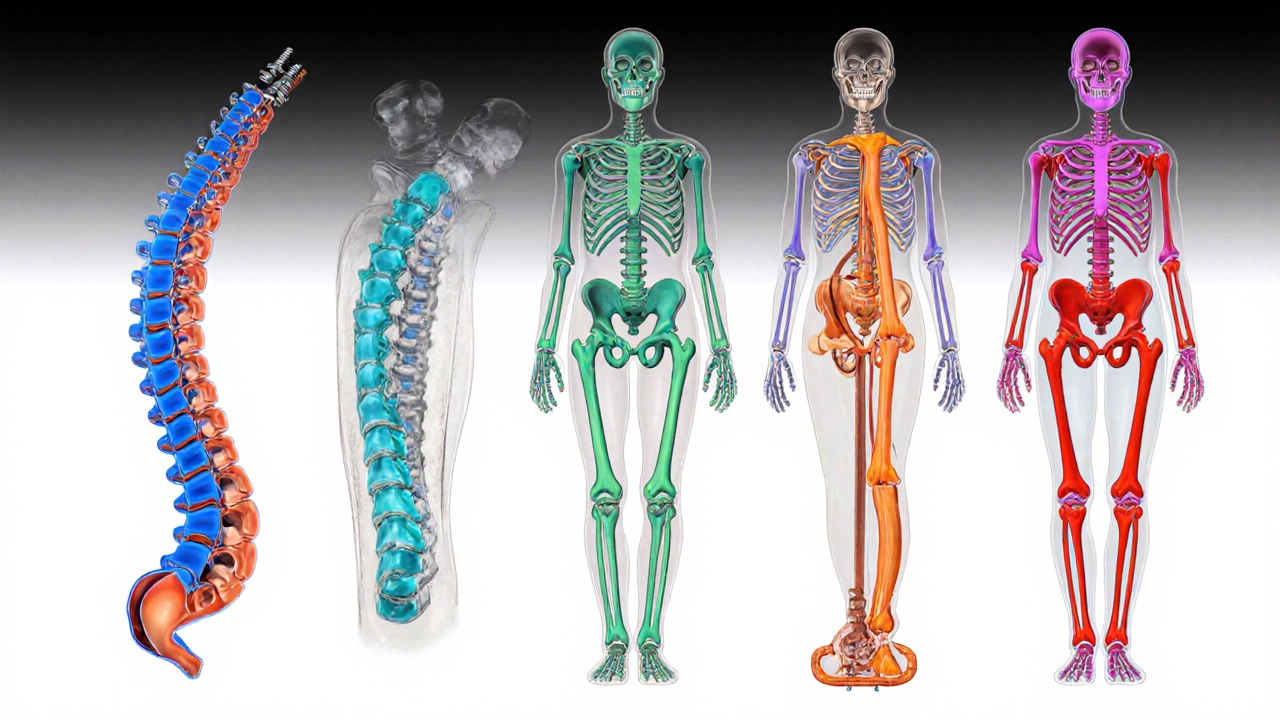
Hardest Orthopedic Surgery to Recover From: Recovery Challenges Explained
•15 Oct 2025
Explore the orthopedic surgeries with the longest, toughest recoveries, why they’re challenging, timelines, recovery tips, and warning signs for complications.