Telehealth in India: What It Is, Who Uses It, and How It Works
When you think of telehealth, a way to get medical advice without visiting a clinic in person. Also known as virtual healthcare, it lets you talk to a doctor through video, phone, or even text — no travel, no waiting room, no missed work. In India, where doctors are spread thin and many live far from hospitals, telehealth isn’t just convenient — it’s often the only way to get timely care.
It’s not just for colds or flu. People use telehealth, a way to get medical advice without visiting a clinic in person. Also known as virtual healthcare, it lets you talk to a doctor through video, phone, or even text — no travel, no waiting room, no missed work. to manage chronic conditions like diabetes, track recovery after surgery, or get mental health support. Many users rely on it to refill prescriptions, ask about side effects, or get second opinions without driving across the city. For someone in rural Bihar or a working parent in Bangalore, this isn’t luxury — it’s necessity. And it’s growing fast, especially after the pandemic showed how badly India needed remote care options.
What you’ll find in this collection isn’t theory. These are real stories and facts from people who’ve used telehealth in India — whether they’re asking about oxygen therapy support over video, checking if a new diabetes drug like tirzepatide is right for them, or trying to get insurance to cover Ozempic through Express Scripts. You’ll see how telehealth connects to everything from home oxygen solutions to online pharmacies and weight loss clinics. It’s not about replacing doctors. It’s about making care faster, simpler, and more accessible when you need it most.
Here’s what real users are asking: Can I get a prescription without seeing a doctor? Is telehealth safe for elderly parents? How do I know if an online clinic is legit? The posts below answer those questions — no fluff, no jargon, just what works in India today.
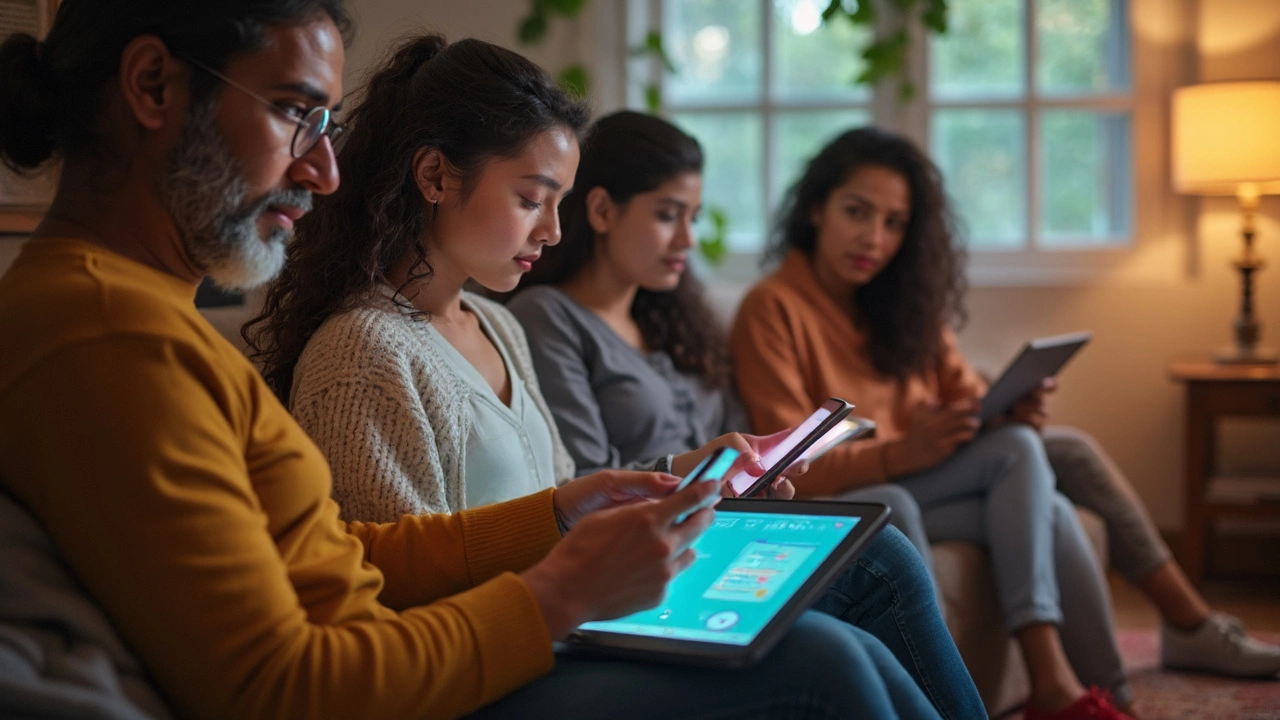
Get Prescriptions Online: No Doctor Visit Needed?
•28 Mar 2025
In today's digital era, obtaining prescriptions online without visiting a doctor is possible, yet it raises questions about safety and legality. Discover how online pharmacies work, the safeguards necessary to ensure secure transactions, and the role of telehealth in modern medicine. Learn about important tips for choosing reputable online services to secure your medication needs safely and legally. This article addresses how to handle prescriptions in an increasingly digital healthcare environment.