Weight Loss Medication Insurance: What’s Covered and How to Get Approved
When it comes to weight loss medication insurance, coverage for drugs like Wegovy, Ozempic, and Zepbound that help with both weight loss and diabetes management. Also known as GLP-1 agonist coverage, it’s not guaranteed—even if your doctor says you need it. Many people assume if a drug is FDA-approved, insurance will pay for it. That’s not true. These medications are often classified as "non-essential" or "cosmetic," even though they reduce heart disease risk, improve blood sugar, and help with joint pain from obesity.
Wegovy, a brand name for semaglutide, used specifically for chronic weight management. Also known as semaglutide for weight loss, it’s one of the most requested drugs for insurance approval. But getting it approved isn’t just about having a high BMI. Insurers require proof of failed diet attempts, documented obesity-related conditions like high blood pressure or sleep apnea, and sometimes a 3- to 6-month trial of lifestyle changes. Prior authorization, the process where your doctor submits paperwork to your insurance company before they’ll pay. Also known as PA, this step is the biggest hurdle for most patients. If your claim gets denied—which happens in over 60% of cases—you can appeal, but you’ll need medical records, lab results, and sometimes a letter from your doctor explaining why this drug is medically necessary, not just convenient.
Some plans cover semaglutide, the active ingredient in both Wegovy and Ozempic. Also known as GLP-1 receptor agonist, it works by slowing digestion and reducing appetite only if you have type 2 diabetes. If you’re using it for weight loss alone, coverage is rarer. Medicare rarely covers it for weight loss. Medicaid coverage varies by state. Even employer plans differ—some cover it fully, others require you to pay $800+ a month out of pocket. Express Scripts, one of the largest pharmacy benefit managers in the U.S., handling prescriptions for major insurers. Also known as PBMs, they often set the rules for what’s approved have strict criteria: BMI over 30, no history of thyroid cancer, and proof you’ve tried other methods. If your insurer says no, you’re not stuck. Some clinics help you appeal, and some drug manufacturers offer savings cards that cut the cost by half.
What you’ll find in the posts below are real-world guides on how to get these drugs approved, what to say when your insurance denies you, and which alternatives exist if coverage fails. You’ll see how people in India and the U.S. navigate the system, what paperwork actually works, and which clinics have the highest approval rates. This isn’t theory—it’s what people are doing right now to get the help they need.
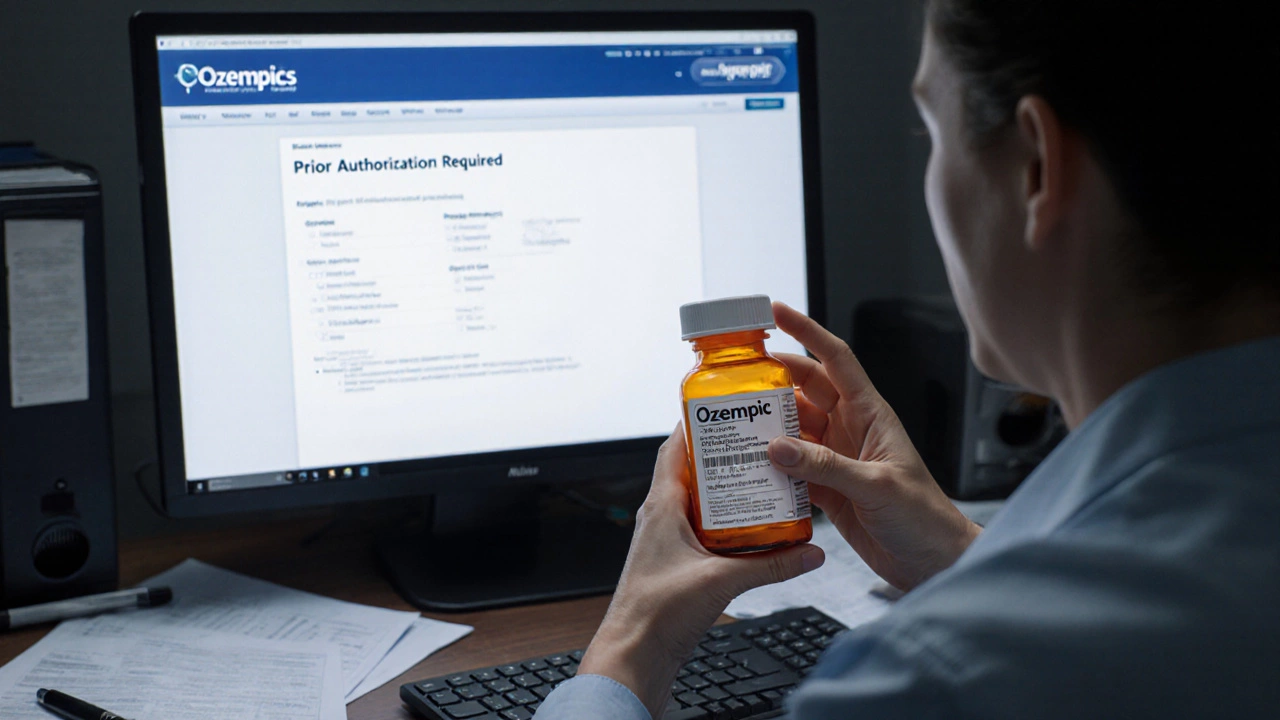
Will Express Scripts Cover Ozempic? What You Need to Know About Insurance and Weight Loss Medications
•8 Nov 2025
Will Express Scripts cover Ozempic for weight loss? Learn how insurance rules, prior authorization, and savings programs affect your out-of-pocket cost and what to do if your claim gets denied.