Dental Health: What You Need to Know About Implants and Risks
When it comes to dental health, the overall condition of your mouth, teeth, and gums that affects eating, speaking, and long-term wellness. Also known as oral health, it’s not just about brushing and flossing—it’s about making smart choices when damage is done. For many people, dental implants, surgical fixtures placed into the jawbone to replace missing teeth, offering a permanent solution that mimics natural teeth seem like the perfect fix. But they’re not for everyone. Some health conditions make implants risky, even dangerous. And if you don’t know the signs of trouble ahead, you could end up with pain, infection, or failed surgery.
Bone loss, the gradual deterioration of jawbone density that often follows tooth loss or gum disease is one of the biggest hurdles. Without enough bone, implants can’t hold. Dental surgery risks, potential complications like nerve damage, sinus problems, or implant rejection during or after the procedure don’t show up on ads. They show up in recovery rooms. People with uncontrolled diabetes, heavy smokers, or those on certain bone medications are often told to avoid implants—not because they’re being difficult, but because their bodies won’t heal right. And cost? It’s not just the upfront price. It’s the follow-up visits, the repairs, the time off work. If you’re not prepared for all of it, you’re setting yourself up for stress.
What you read online about dental implants is usually the highlight reel: perfect smiles, quick recovery, no pain. But the real stories? They’re about people who didn’t know their gum disease was too advanced, or who kept smoking after surgery, or who thought "it’s just a tooth" and skipped the medical checkup. That’s why the articles below don’t sugarcoat anything. You’ll find clear facts on who should skip implants, what can go wrong, and how to spot early warning signs before it’s too late. No fluff. No marketing. Just what you need to know before you say yes to surgery.
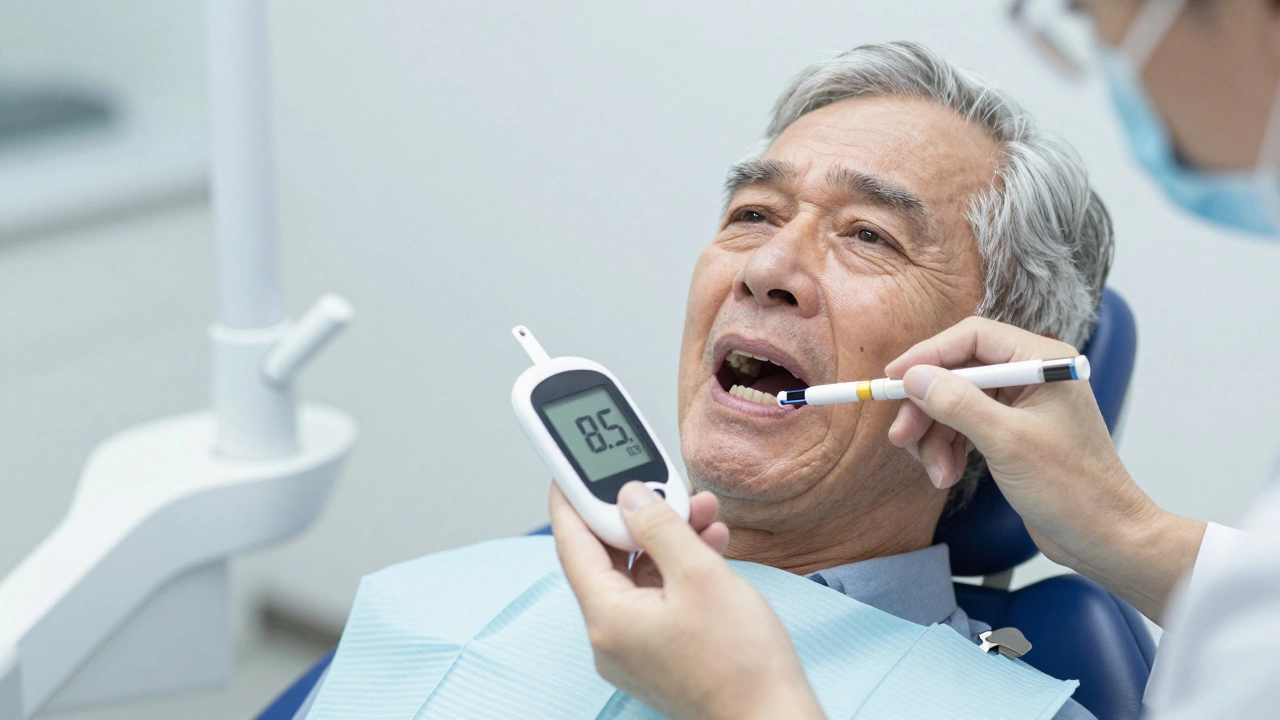
Who Should Not Get Dental Implants? Key Risks and Contraindications
•1 Dec 2025
Not everyone is a good candidate for dental implants. Learn the key health conditions and lifestyle factors that make implants risky or impossible, from uncontrolled diabetes to smoking and bone loss.

Dental Implants Downside: What You Need to Know Before You Decide
•6 May 2025
Dental implants look and feel like real teeth, but they're not perfect. This article pulls back the curtain on the downsides: from the real possibility of failure and nerve damage to cost and maintenance headaches. Expect clear facts without sugarcoating, plus inside tips to help you spot problems early. If you're thinking about getting a dental implant, here's what you really need to watch out for.