Orthopedics: Your Guide to Bone, Joint, and Mobility Care
When you think of orthopedics, the medical field focused on bones, joints, muscles, and the tissues that connect them. Also known as orthopaedics, it’s not just about fixing broken bones—it’s about helping you move without pain, whether you’re 20 or 80. This is the part of medicine that steps in when your knee locks up, your hip refuses to bend, or your wrist won’t stop aching after a fall. It’s where surgery meets rehab, and where knowing the right next step can mean the difference between staying stuck or getting back to life.
Most people come to orthopedics because of knee replacement, a common procedure for severe arthritis when pain won’t go away with rest or meds. But it’s not just about replacing joints. It’s also about understanding why some people heal faster than others, why a 70-year-old’s broken hip takes longer to mend, and why skipping movement after surgery can actually make things worse. bone healing, the body’s natural repair process for fractures isn’t the same for everyone—it depends on age, nutrition, circulation, and even how well you sleep. And then there’s the orthopedic doctor, the specialist trained to diagnose and treat conditions affecting the musculoskeletal system. Not all of them are the same. Some focus on sports injuries, others on aging joints or complex spinal cases. Knowing what to expect at your first visit can cut through the fear and confusion.
Recovery isn’t just about resting—it’s about moving right. Too many people think they need to stay completely still after surgery, but that’s often the biggest mistake. Your body heals better when you gently use it. That’s why experts talk about sleeping with your leg straight, when you can shower again, and what pain meds actually help without side effects. Some surgeries, like spinal fusions or rotator cuff repairs, are known to be harder to recover from than others. And while some procedures cost tens of thousands, others are simpler and more affordable. The key isn’t just finding the best surgeon—it’s knowing what questions to ask, what to avoid, and how to prepare your body before and after.
You’ll find real answers here—not theory, not ads, not vague advice. Just straight talk on who should skip knee surgery, what actually helps with joint pain, why your bone won’t heal as fast as you hoped, and how to pick the right care. Whether you’re facing surgery, helping a parent recover from a fall, or just tired of knee pain holding you back, this collection gives you the facts you need to make smarter choices.

What is the best vitamin to repair nerve damage?
•17 Feb 2026
Vitamin B12, especially in methylcobalamin form, is the most effective vitamin for repairing nerve damage. Learn how much to take, what forms work best, and how to combine it with other treatments for real results.
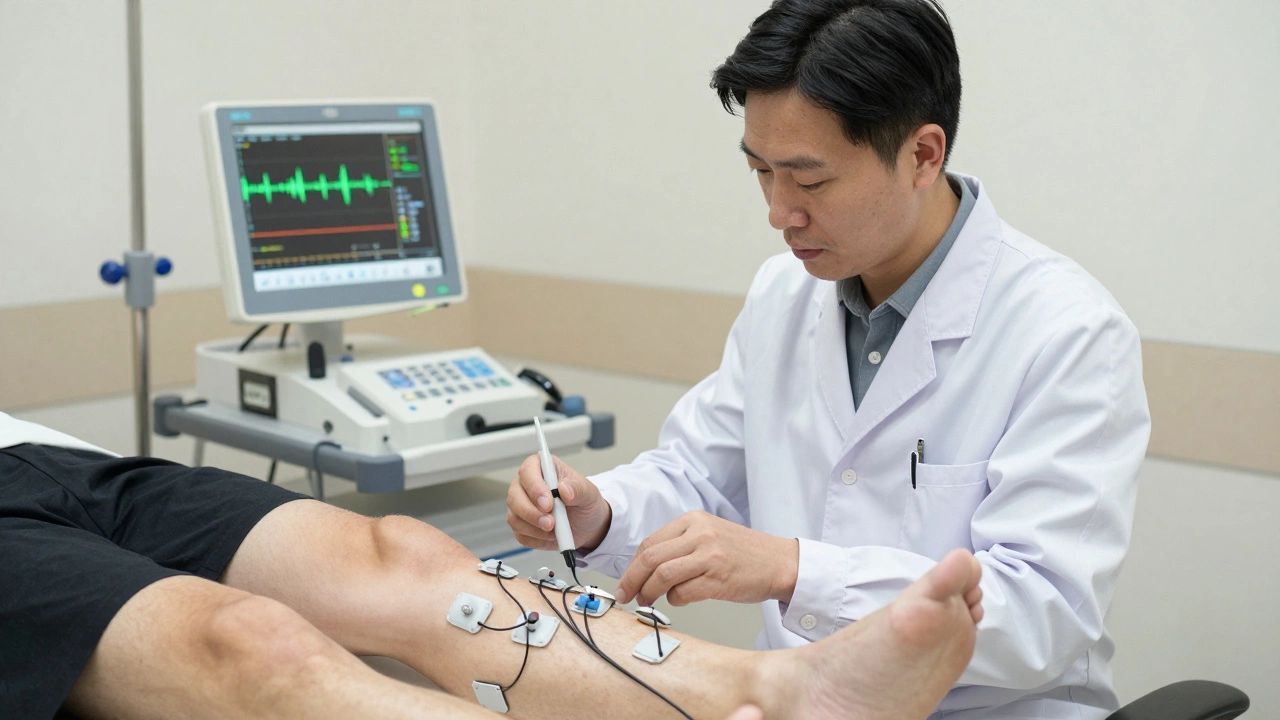
What Is the Best Doctor for Nerve Pain? Top Specialists and What to Look For
•6 Jan 2026
Find out which specialist treats nerve pain best-orthopedic spine doctors for structural issues, neurologists for nerve damage. Learn what tests to expect, what actually works, and how to avoid common mistakes.
Who Is Not a Good Candidate for Total Knee Replacement?
•18 Nov 2025
Not everyone with knee pain needs a total knee replacement. Learn who should avoid this surgery due to obesity, infections, nerve conditions, age, or poor circulation-and what alternatives exist.

What Is the #1 Mistake That Makes Bad Knees Worse?
•1 Nov 2025
The #1 mistake that makes bad knees worse is stopping movement. Learn why inactivity speeds up knee damage, how to move safely with arthritis, and what actually helps before and after knee replacement surgery.

Orthopedic vs Orthopaedic: What’s the Real Difference?
•22 Oct 2025
Learn why "orthopedic" and "orthopaedic" mean the same thing, how regional spelling differs, and which version to use for patients, hospitals, and SEO.

Fastest Knee Replacement Recovery: Proven Tips & Timeline
•21 Oct 2025
Learn the fastest, evidence‑based steps to recover from knee replacement, covering day‑by‑day timelines, key therapies, nutrition, and common pitfalls for a speedy return to daily life.
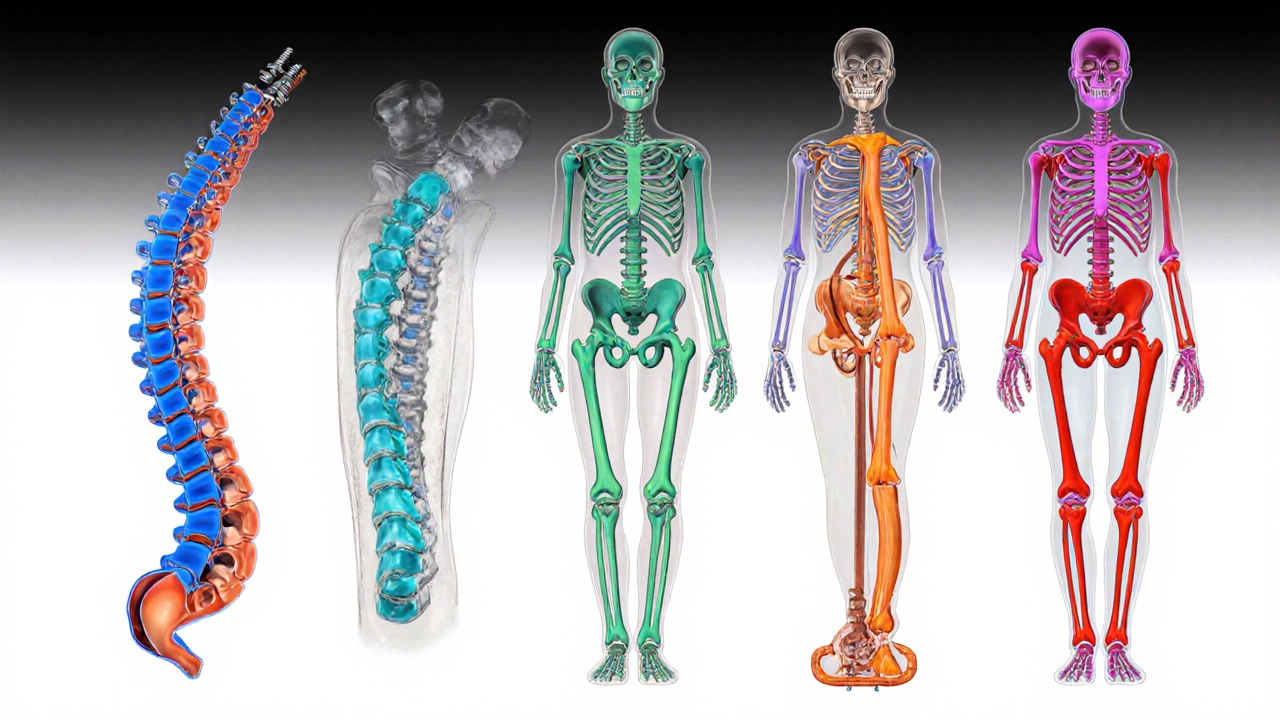
Hardest Orthopedic Surgery to Recover From: Recovery Challenges Explained
•15 Oct 2025
Explore the orthopedic surgeries with the longest, toughest recoveries, why they’re challenging, timelines, recovery tips, and warning signs for complications.
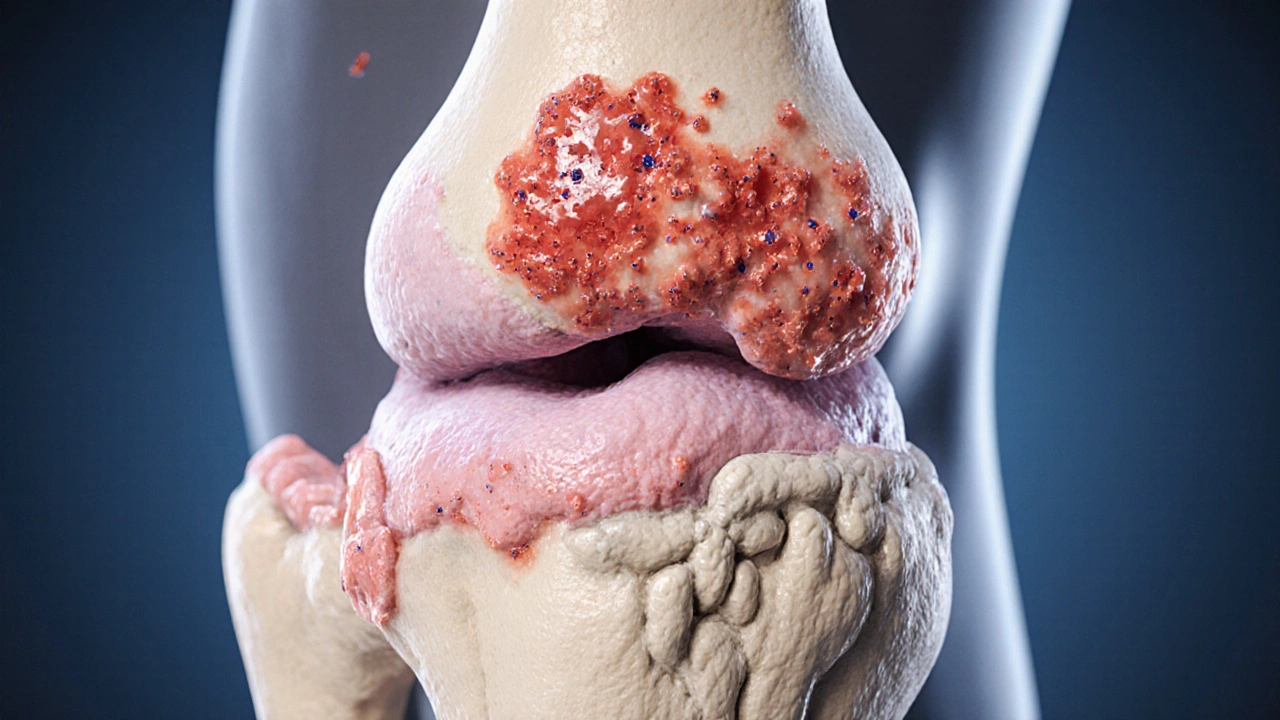
70-Year-Old Bone Healing Time: What to Expect After a Fracture
•14 Oct 2025
Learn how long a 70‑year‑old's bones take to heal, factors that affect recovery, practical tips, and when to seek medical help.

What to Expect at Your First Orthopedic Appointment: Complete Patient Guide
•2 Aug 2025
Stepping into an orthopedic office isn’t as intimidating as it sounds. Discover what really happens when you go—step by step, with real tips and honest answers.

Why Can't You Shower After Knee Surgery? What You Need to Know
•9 May 2025
Wondering why your surgeon says no showers after knee surgery? There’s a good reason for it—keeping your wound dry is key for healing and avoiding infection. This article cuts through the medical jargon and lays out what you need to know about showering after a knee replacement. It covers how surgery affects your skin, what can go wrong if you get your knee wet too soon, and practical tips for staying clean safely. If you’re about to go under the knife or you’ve just had your knee done, you’ll want these tips.

Orthopedics: What Do They Actually Fix?
•3 May 2025
Orthopedics is all about fixing bones, joints, and the things that hold them together. This article breaks down what orthopedics actually takes care of—from broken bones and torn ligaments to chronic problems like arthritis. Get the real scoop on what happens when you visit an orthopedic hospital. Plus, learn when you actually need to see a specialist and what you can try at home first. It’s a must-read if you care about moving pain-free or are worried about an injury.

How Long Do I Have to Sleep With My Leg Straight After Knee Replacement?
•19 Apr 2025
Just had knee replacement and not sure if you have to sleep with your leg straight? This article explains how long you really need to keep your leg straight after surgery, why it matters for recovery, and what happens if you bend it too early. Get straightforward tips on making sleep more comfortable, real insights from doctors, and clever hacks people use to actually get some rest after knee surgery.