
B12 Nerve Repair Dosage Calculator
Determine Your B12 Treatment Plan
Based on severity of nerve damage, calculate recommended dosage and duration.
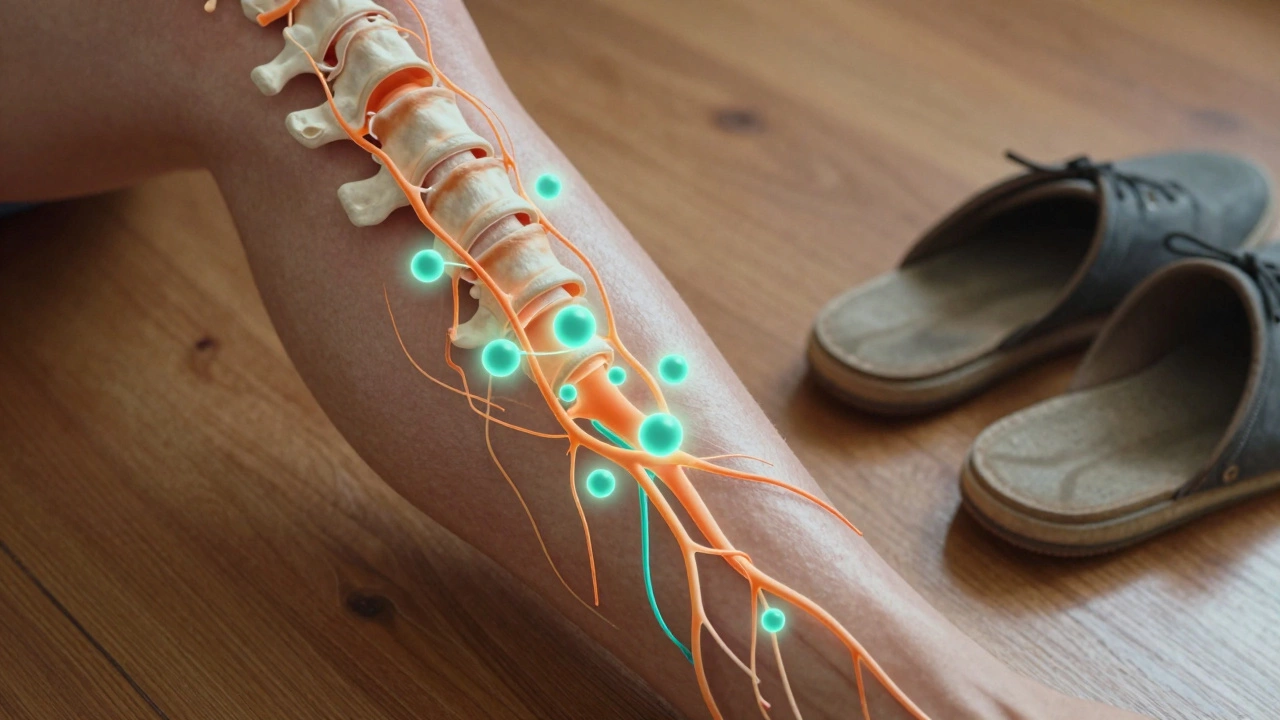
When nerves get damaged-whether from injury, diabetes, surgery, or chronic pressure-it’s not just pain you feel. It’s tingling, numbness, burning, or even weakness in your hands or feet. Many people assume rest alone will fix it. But nerves heal slowly, and they need the right fuel. The truth? vitamin B12 is the most important vitamin for repairing nerve damage.
Why vitamin B12 is the top choice
Vitamin B12 doesn’t just support energy or red blood cells. It’s the building block for myelin, the protective sheath around every nerve. When myelin breaks down, signals slow down or get lost. That’s when you start feeling numb fingers or a foot that doesn’t respond. Studies show that low B12 levels are directly linked to peripheral neuropathy, especially in older adults and people with diabetes. In one 2023 study of 420 patients with diabetic nerve damage, those who took 1,000 mcg of B12 daily for six months saw a 47% improvement in nerve signal speed compared to those who didn’t.
It’s not just about taking more. Your body needs B12 in its active form: methylcobalamin. Many cheap supplements use cyanocobalamin, which your body must convert first. That conversion is slow and inefficient, especially if you’re over 50, have digestive issues, or take acid-reducing meds. Methylcobalamin skips that step. It’s ready to go. That’s why doctors in orthopedic clinics in Bangalore and Chennai now recommend methylcobalamin for nerve recovery after surgeries like carpal tunnel release or spinal decompression.
Other vitamins that help-but aren’t as powerful
B12 doesn’t work alone. It teams up with two other B vitamins: B6 and B1 (thiamine).
- Vitamin B6 (pyridoxine): Helps produce neurotransmitters like serotonin and GABA, which calm overactive nerves. Too much B6, though, can cause nerve damage itself. Stick to 50 mg or less daily unless a doctor says otherwise.
- Vitamin B1 (thiamine): Critical for converting sugar into energy. Diabetics often have low thiamine, which worsens nerve pain. A 2021 trial in India found that 100 mg of thiamine daily reduced burning pain in 68% of patients with diabetic neuropathy.
Some people swear by vitamin D or alpha-lipoic acid. Vitamin D helps with inflammation, and alpha-lipoic acid is an antioxidant that may reduce oxidative stress on nerves. But neither rebuilds myelin like B12 does. They’re helpful sidekicks, not the main hero.
How much should you take-and for how long?
There’s no one-size-fits-all dose. But here’s what works in real-world cases:
- For mild nerve damage (tingling, occasional numbness): 500-1,000 mcg of methylcobalamin daily.
- For moderate to severe damage (muscle weakness, foot drop, constant burning): 1,500-2,000 mcg daily, split into two doses.
- Duration: At least 3 months. Nerves grow about 1 mm per day. That means full repair can take 6-12 months.
Don’t stop when you feel better. Nerve repair is like healing a broken bone-you can’t see it, but it’s still knitting. Stopping too early means the damage comes back.
What forms work best?
Not all supplements are equal. Here’s what to look for:
- Sublingual tablets: Dissolve under the tongue. Bypasses digestion, so absorption is faster. Best for people with gut issues or who take metformin.
- Injections: Used in clinics for severe cases. A doctor gives a shot once a week for 4-6 weeks, then switches to oral. This is common after spinal surgery.
- Combination formulas: Look for ones with methylcobalamin, pyridoxal-5-phosphate (active B6), and benfotiamine (a fat-soluble form of B1). Avoid products with added sugar, artificial colors, or fillers like magnesium stearate.
Brand matters. Stick to reputable names like Thorne, Jarrow, or Indian brands like HealthKart or Nutrabay that test for purity. Avoid random Amazon listings with no third-party testing.
What else helps nerves heal?
Vitamins alone won’t fix everything. Nerve repair needs movement, too. Gentle exercises like walking, yoga, or tai chi increase blood flow to damaged nerves. Pressure on nerves-like from sitting too long or wearing tight shoes-can make things worse. Use cushioned insoles if your feet feel numb. If you have diabetes, keep your blood sugar under 140 mg/dL. High sugar directly poisons nerves.
Heat therapy helps. A warm (not hot) compress on your lower back or neck for 15 minutes a day can ease pain and boost circulation. Avoid ice-it tightens tissues and slows healing.

When to see a doctor
If after 8 weeks of taking B12 and making lifestyle changes, you still have:
- Loss of balance or frequent falls
- Muscle wasting in hands or feet
- Burning pain that wakes you up at night
- Difficulty holding objects or buttoning shirts
Then it’s time for an EMG (nerve conduction) test. You might need physical therapy, nerve decompression surgery, or a different treatment path. Don’t wait. The longer nerves stay damaged, the harder they are to fix.
Myth busting
Some say vitamin C or E can repair nerves. They can’t. They’re antioxidants, yes-but they don’t rebuild myelin. Others claim turmeric or ginger cures neuropathy. These reduce inflammation, which helps with pain, but they don’t repair the nerve itself.
And no, eating more meat or eggs alone will fix it. Even people who eat meat regularly can be B12 deficient if their stomachs don’t absorb it well. That’s why supplements are necessary for healing.
Final takeaway
There’s no magic pill for nerve damage. But if you take one thing away, it’s this: vitamin B12-specifically methylcobalamin-is the most proven, most effective vitamin for repairing damaged nerves. Combine it with movement, good blood sugar control, and time. Most people start feeling better in 4-6 weeks. Full recovery takes months. But it happens.
Can I get enough B12 from food to repair nerve damage?
No. While foods like eggs, fish, and dairy contain B12, the amount isn’t enough to repair damaged nerves. Healing requires doses far above the daily recommended intake (2.4 mcg). You need 500-2,000 mcg daily, which is only possible with supplements. Even people who eat a lot of animal products often have absorption issues.
How long does it take for nerves to heal with B12?
Nerve regeneration is slow. You may notice less tingling in 4-6 weeks, but full repair takes 6-12 months. Nerves grow about 1 millimeter per day. If the damage is from your lower back to your foot, that’s roughly 80 cm-so patience is key. Stopping early means incomplete recovery.
Is B12 safe to take long-term?
Yes. B12 is water-soluble, so excess leaves through urine. No known toxicity exists at even high doses. Many people take 5,000 mcg daily for years without side effects. The only risk is if you have Leber’s disease, a rare genetic condition where B12 can damage the optic nerve. If you’re unsure, ask your doctor for a simple blood test.
Should I take B12 alone or with other vitamins?
Take it with B6 and B1. They work together. B6 helps nerves send signals, and B1 helps them use energy. A combo with methylcobalamin, pyridoxal-5-phosphate, and benfotiamine is ideal. Avoid standalone B12 if you’re dealing with ongoing nerve pain.
Can B12 reverse nerve damage from diabetes?
It can improve symptoms and slow further damage, but it won’t fully reverse advanced cases. If you’ve had diabetic neuropathy for over 10 years with muscle loss, B12 will help you feel better-but you may still need physical therapy or nerve decompression. Early intervention is everything.