IVF Side Effect & Recovery Guide
Select the symptom or sensation you are experiencing to see the cause and how to manage it during your IVF cycle.
Click a symptom on the left to see details and recovery tips.
Abdominal Bloating
Why it happens: Your ovaries are physically expanding to accommodate multiple follicles (often 10-20mm each), putting pressure on your bladder and intestines.
Mood Swings & Brain Fog
Why it happens: High Estrogen levels affect neurotransmitters like serotonin and dopamine, which regulate your mood and sleep.
Extreme Fatigue
Why it happens: Your body is diverting a massive amount of metabolic energy toward the ovaries to support rapid follicle growth.
Skin Changes
Why it happens: Fluctuations in estrogen and progesterone directly impact oil production and skin hydration levels.
Peak Pelvic Pressure
Why it happens: This occurs during the "Trigger Shot" phase when follicles reach final maturation, creating maximum ovarian volume.
Warning: Potential OHSS
What is it: Ovarian Hyperstimulation Syndrome occurs when ovaries over-respond and leak fluid into the abdominal cavity.
Note: Those with PCOS are at higher risk and should track weight daily.
General Recovery Tip: The "Flush"
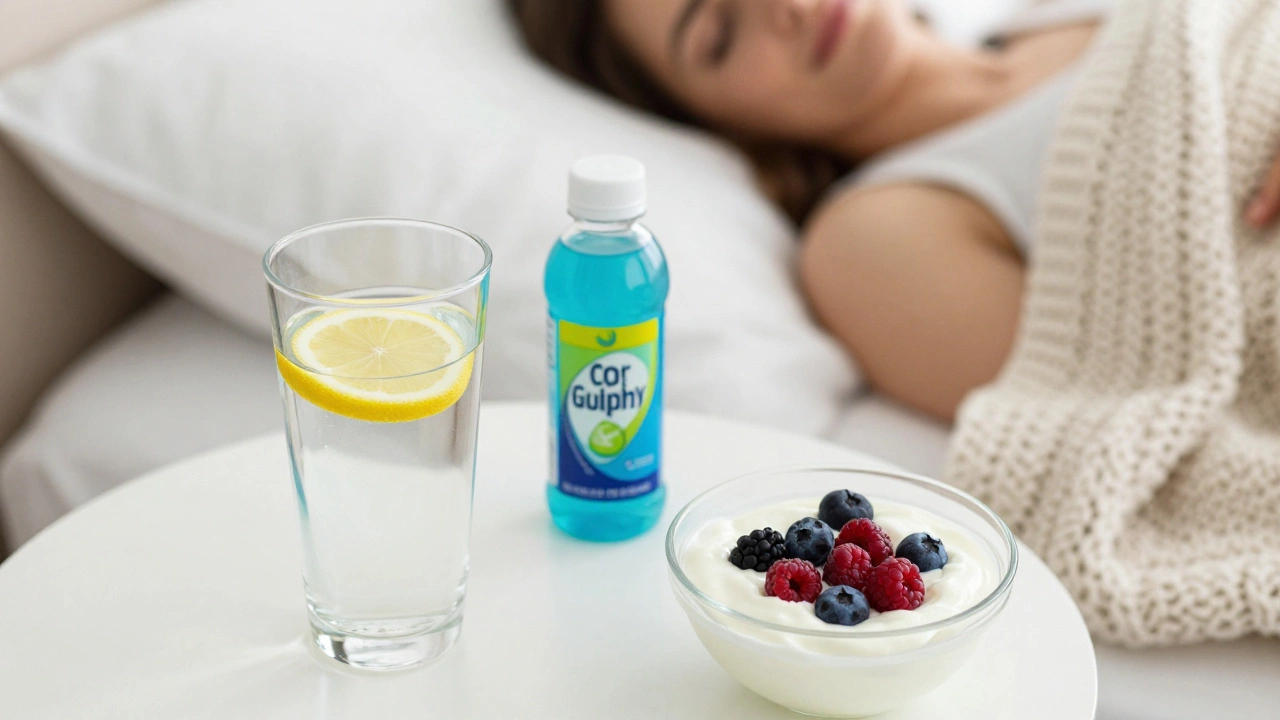
After egg retrieval, drink plenty of water and electrolyte drinks (like Gatorade). This helps pull excess abdominal fluid back into the bloodstream to be flushed by the kidneys.
Quick Summary: What to Know
- The Goal: To grow multiple follicles instead of just one.
- The Feel: Bloating, mood swings, and tenderness are common.
- The Risk: A small percentage of people develop OHSS, which requires medical attention.
- The Timing: Effects vary depending on whether you are in the stimulation or trigger phase.
The Hormonal Surge: How Stimulation Works
In a typical month, your brain releases a tiny bit of Follicle Stimulating Hormone (FSH) to wake up a few eggs. Usually, one wins the race and the rest fade away. When you start IVF injections, you're flooding your system with a much higher dose of this hormone.
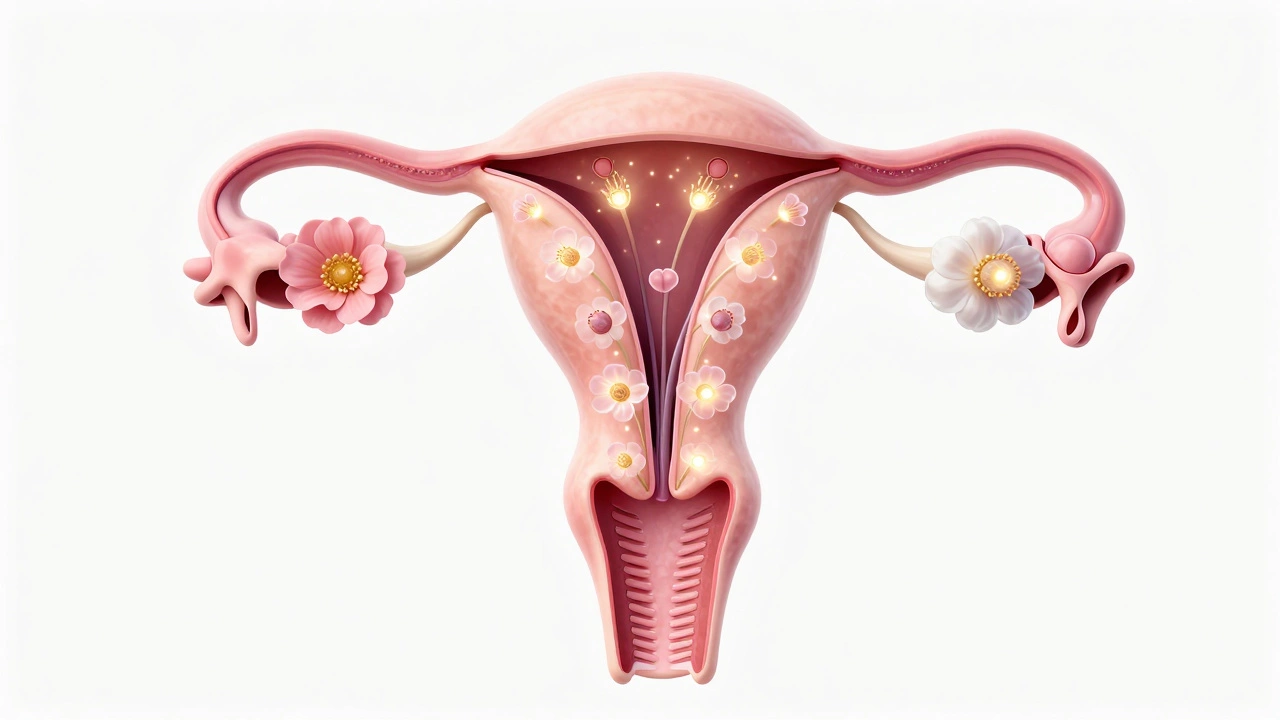
Your ovaries react by recruiting a whole group of follicles. Imagine your ovaries as a garden; normally, only one flower blooms. With these injections, you're essentially using super-fertilizer to make ten or fifteen flowers bloom at once. This is why your abdomen starts to feel tight. Your ovaries are physically growing in size to accommodate these multiple follicles, which can be anywhere from 10mm to 20mm each. This physical expansion puts pressure on your bladder and intestines, leading to that classic "IVF bloat" that makes your favorite jeans suddenly feel too tight.
The Emotional Rollercoaster and Brain Fog
It's not just your ovaries reacting. Because these drugs are essentially powerful steroids for your reproductive system, they hit your endocrine system hard. You might feel like you've been replaced by a completely different person. One hour you're fine, and the next, you're crying because you ran out of your favorite kind of toast.
This happens because the high levels of Estrogen-which rises as the follicles grow-affect the neurotransmitters in your brain. Estrogen influences serotonin and dopamine, the chemicals that regulate mood and sleep. Many people report a "brain fog" or a feeling of being detached. It's a heavy load for your nervous system to carry, especially when combined with the stress of the treatment itself.
The Physical Toll: Skin, Sleep, and Energy
You might notice your skin reacting to the hormonal shift. Some people break out in acne, while others find their skin becomes incredibly dry. This is a direct result of the fluctuation in estrogen and progesterone. You might also find yourself exhausted. Your body is diverting a massive amount of energy toward the ovaries, which can leave you feeling like you've run a marathon even if you've spent the day on the couch.
Sleep can become tricky too. High estrogen levels can interfere with your REM cycle, leaving you waking up feeling unrefreshed. Some people also experience "injection site reactions." Depending on whether you're using a pen or a syringe, you might see redness, itching, or small lumps under the skin where the medication was absorbed. This is usually just a local inflammatory response and doesn't affect the success of the cycle.
| Medication Type | Primary Function | Common Body Sensation |
|---|---|---|
| Gonadotropins (FSH/LH) | Stimulates egg growth | Bloating, breast tenderness |
| Ganirelix / Cetrotide | Prevents premature ovulation | Redness at injection site |
| hCG / Lupron | The "Trigger" for final maturation | Increased pelvic pressure, mild cramping |

When the Body Overreacts: Understanding OHSS
For most, the bloating is just annoying. But for some, the body over-responds to the stimulation. This is known as Ovarian Hyperstimulation Syndrome (OHSS). It's a serious condition where the ovaries become overly enlarged and leak fluid into the abdominal cavity.
If you notice your stomach swelling rapidly, feel short of breath, or have a sudden decrease in urination, that's a red flag. The fluid buildup can put pressure on your lungs and kidneys. Modern clinics reduce this risk by using Lupron as a trigger instead of hCG, which helps the body manage the hormonal peak more safely. If you have Polycystic Ovary Syndrome (PCOS), you're at a higher risk for this, so your doctor will likely use a "low and slow" approach with your dosages.
The Final Push: The Trigger Shot
The most intense part of the process is often the trigger shot. This is a concentrated dose of hormone designed to tell the eggs to finish maturing and release. Within 36 hours of this shot, your body enters a high-alert state. You'll likely feel a significant increase in pelvic heaviness. This is the peak of the follicular growth, and the pressure can make sitting or walking uncomfortable.
Once the Egg Retrieval happens, the physical pressure drops almost immediately, but you're left with a hormonal crash. As the follicles are removed and the medication stops, your estrogen levels plummet. This can lead to a "post-IVF slump," where you feel an intense need for sleep and a dip in mood for a few days.
Navigating the Recovery Phase
After the retrieval, your body needs to reset. The best way to help is through hydration and electrolytes. Drinking plenty of water and Gatorade helps pull the excess fluid from your abdomen back into your bloodstream, where your kidneys can flush it out. Avoid heavy workouts for a few days; your ovaries are still swollen and bruised from the procedure, and aggressive movement can be uncomfortable.
Eating high-protein meals-like eggs, Greek yogurt, or lean meats-can also help manage the bloating. Protein helps hold fluid in the blood vessels, reducing the amount that leaks into your tissues. It's also a good time to be gentle with yourself emotionally. You've essentially put your body through a simulated pregnancy's worth of hormones in two weeks. Give yourself permission to be tired.
Do IVF injections cause permanent changes to the body?
No, the changes are temporary. Once the medications are stopped and the eggs are retrieved, your hormone levels will naturally return to their baseline. The ovaries will shrink back to their normal size within a couple of weeks, and the mood swings associated with the estrogen spike will disappear.
Why do I feel so nauseous during stimulation?
Nausea is often caused by the rapid increase in estrogen, which can affect the digestive system and trigger a mild nausea response similar to early pregnancy. Some people also find that the medications slow down gastric emptying, making them feel full longer and more prone to nausea.
Can I prevent the mood swings associated with IVF drugs?
While you can't stop the hormones from working, you can manage the symptoms. Prioritizing a strict sleep schedule, reducing caffeine, and practicing mindfulness can help. Many patients find that acknowledging the mood swings as a "drug side effect" rather than a personal failing helps them cope emotionally.
Is the bloating a sign that the injections are working?
Generally, yes. Bloating is a byproduct of the ovaries growing as multiple follicles develop. While it's not a guaranteed indicator of egg quality, it shows that the ovaries are responding to the stimulation. However, extreme or sudden swelling should always be reported to your doctor.
What is the difference between the stimulation shots and the trigger shot?
Stimulation shots (like FSH) are taken over 8-12 days to grow the eggs. The trigger shot is a single, precise dose taken at the very end to finalize the maturation process so the eggs can be collected. The stimulation shots cause the gradual bloat; the trigger shot marks the peak of that pressure.
Next Steps for Different Scenarios
- If you're starting your first cycle: Create a checklist of your medications and a calendar. Set reminders for the trigger shot-timing is critical here, as being off by a few hours can affect the retrieval.
- If you have a history of PCOS: Stay in close contact with your nurse regarding your weight. Tracking your weight daily during the final days of stimulation can help catch early signs of OHSS before they become severe.
- If you struggle with needles: Ask your clinic about "cooling sprays" for the skin or use a heating pad (on low) to relax the muscle before the injection. Taking a deep breath and relaxing the stomach muscle makes the needle glide in much easier.