Cancer Treatment: Understanding Options, Survival Rates, and Real-Life Challenges
When it comes to cancer treatment, the medical approaches used to fight abnormal cell growth in the body. Also known as oncology care, it includes everything from surgery and radiation to targeted drugs and immunotherapy. There’s no single path—what works for one person might not help another. That’s because cancer isn’t one disease. It’s hundreds, each with its own behavior, speed, and resistance to treatment. Some types grow slowly and respond well. Others, like pancreatic cancer, a fast-moving tumor that often spreads before symptoms appear, are called aggressive cancers for a reason. They hide early, resist treatment, and have some of the lowest survival rates.
Then there’s chemotherapy, a drug-based treatment that targets rapidly dividing cells. Also known as chemo, it’s one of the most common tools in the cancer treatment toolkit. But it’s not magic. It attacks cancer cells—and sometimes healthy ones too. That’s why people on chemo can’t kiss without risk, why their immune systems crash, and why even a cold can turn dangerous. It’s also why doctors talk about remission, a state where cancer signs are gone but may still be hiding instead of saying "cured." Remission doesn’t mean the war is over. It means you’re in a truce. And for some cancers, that truce can last years. For others, it lasts months.
Survival rates aren’t just numbers. They’re shaped by when cancer is found, how fast it spreads, and what tools doctors have. Cancer treatment today isn’t just about killing cells—it’s about managing quality of life, especially in late stages like stage 4. People need to know when chemo helps and when it just adds stress. They need to understand why some cancers, like glioblastoma or certain lung cancers, are so hard to cure. And they need honest answers about whether beating cancer means living with it forever—or if true freedom is even possible.
What you’ll find below aren’t generic guides. These are real stories and straight facts from people who’ve lived through this. From the hardest cancers to cure, to the quiet risks of kissing during chemo, to what remission really looks like—each article cuts through the noise. No fluff. No false hope. Just what you need to know to make smarter choices—for yourself or someone you love.

Can Cancer Be Cured Completely? Understanding Remission vs Cure
•6 Oct 2026
Learn the real difference between cancer cure and remission. Discover which cancers are most curable, why recurrence happens, and how modern treatments improve survival odds.

Top 3 Deadliest Cancers: What You Need to Know
•11 Sep 2026
Lung, pancreatic, and colorectal cancers are the top three deadliest cancers globally. Learn why they are so lethal, their key risk factors, and how early detection saves lives.
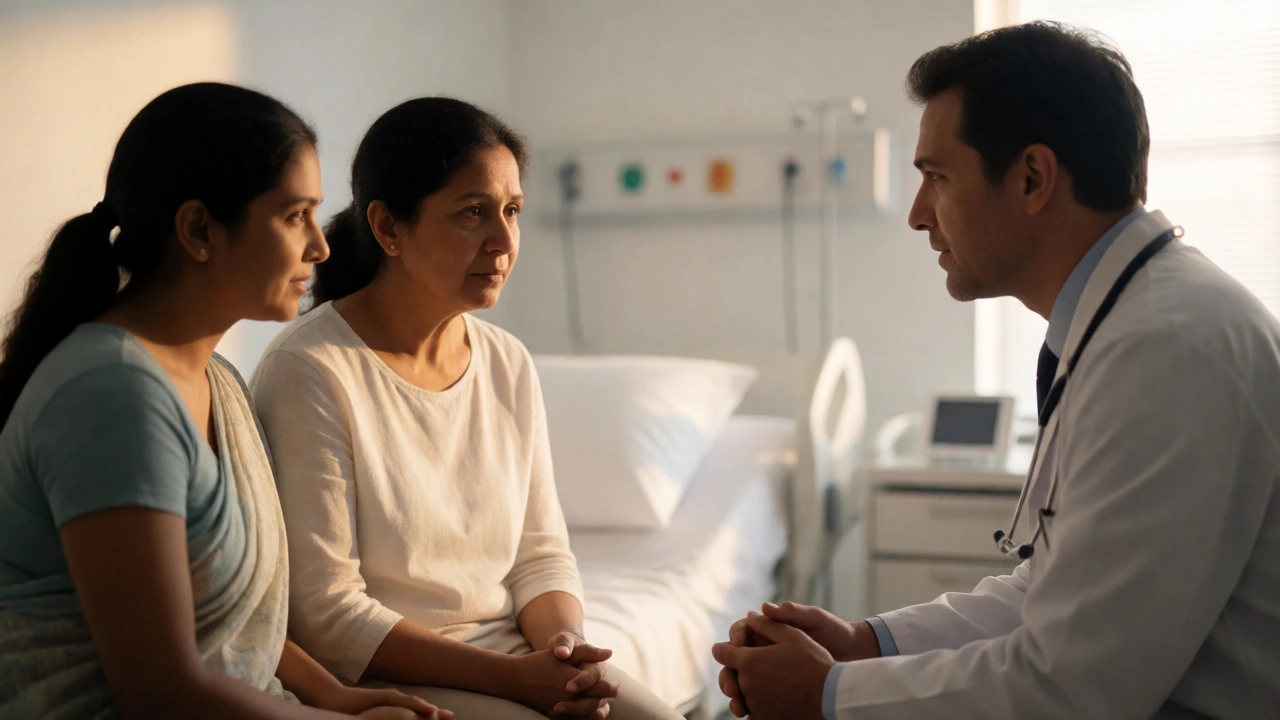
Stage 4 Cancer Life Expectancy: What to Expect and How to Improve It
•8 Sep 2026
Facing a Stage 4 cancer diagnosis brings fear about time. Learn why survival rates vary widely and how modern treatments like immunotherapy extend life. Discover factors influencing prognosis and practical steps to improve quality of life.

What Cancer Has No Cure? Understanding Terminal Diagnoses and Hope
•24 Jul 2026
Explore which cancers are considered incurable, why they resist treatment, and how modern medicine manages them. Learn about pancreatic cancer, glioblastoma, and the shift from cure to control.

Can You Have Cancer and Feel Fine? The Truth About Silent Symptoms
•16 Jun 2026
Discover why you can have cancer and feel completely fine. Learn about silent symptoms, the importance of screening, and how to protect your health even when you feel healthy.
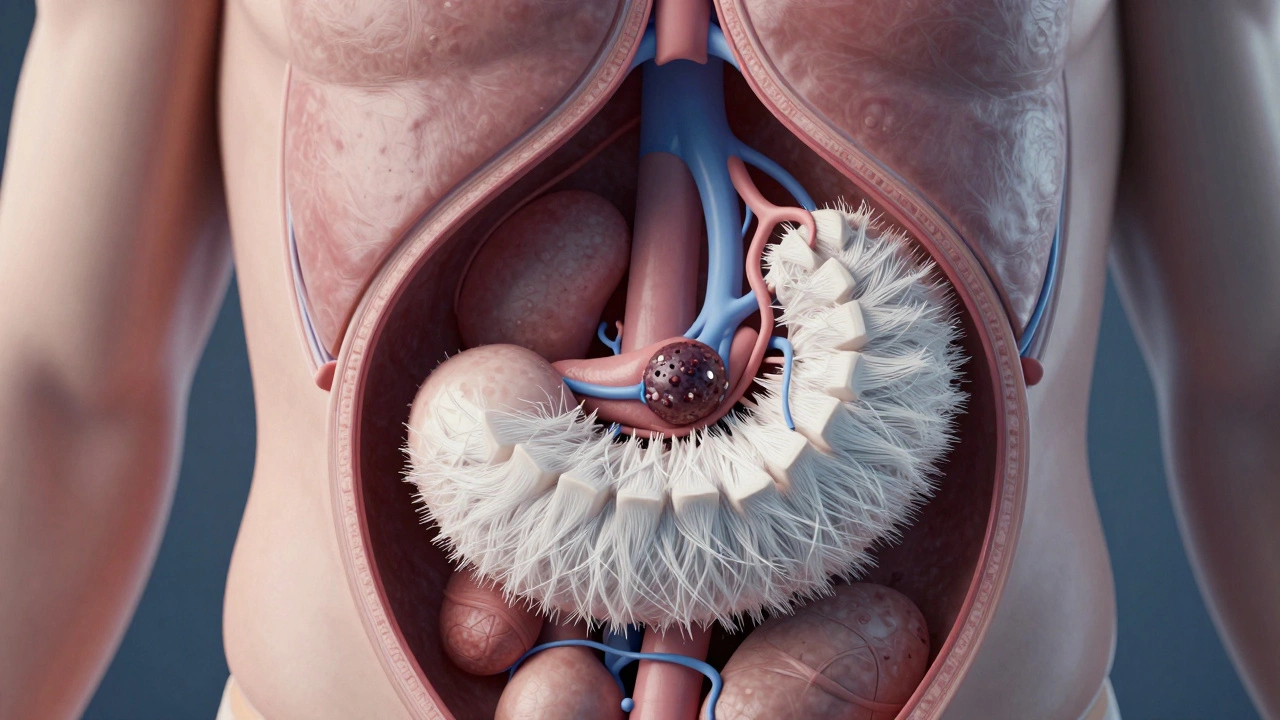
What Is the Hardest Cancer to Treat? A Realistic Look at Pancreatic, Glioblastoma, and Lung Cancer
•9 Jun 2026
Discover why pancreatic cancer, glioblastoma, and small cell lung cancer are the hardest to treat. Learn about biological barriers, late detection, and new hope in precision medicine.

How Long Can Someone Live With Cancer? Survival Rates, Stages & Prognosis Explained
•2 Jun 2026
Explore how long someone can live with cancer. We break down survival rates, the impact of staging, and how modern treatments like immunotherapy are changing life expectancy for patients.
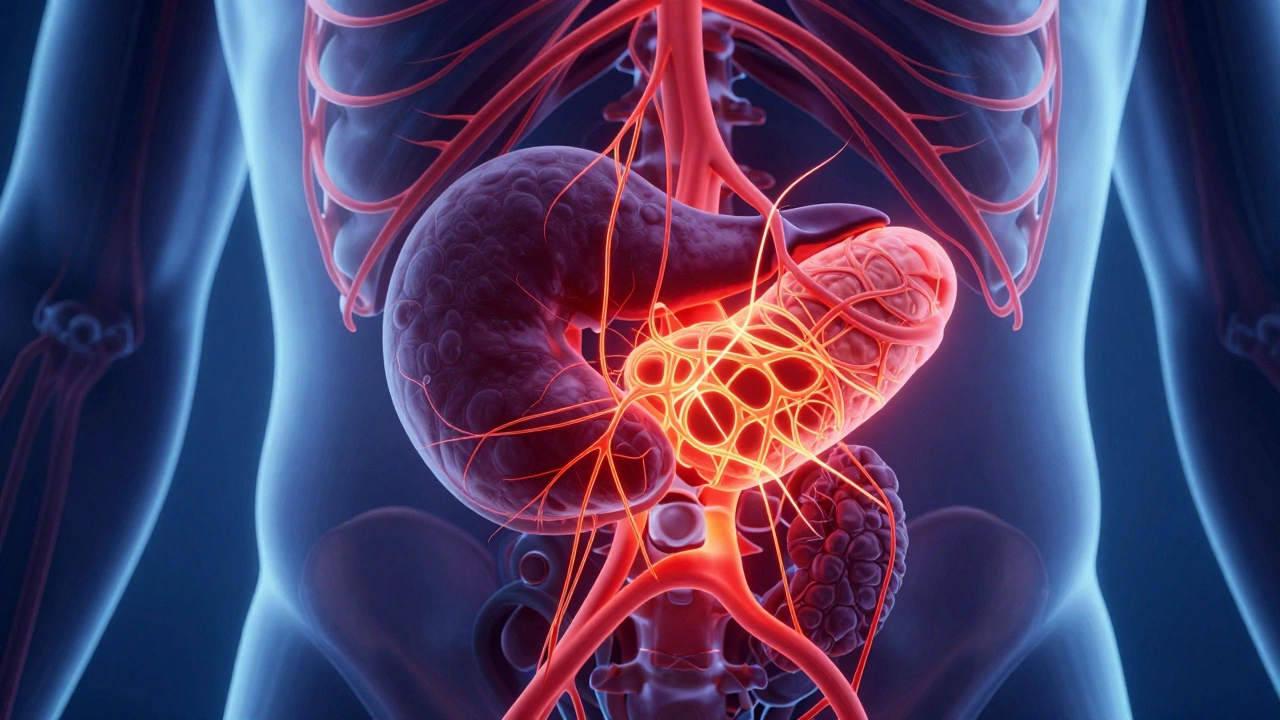
What Is the Most Painful Cancer? Understanding Severity and Management
•29 May 2026
Explore which cancers cause the most severe pain, including pancreatic and bone metastases, and learn about modern management strategies for neuropathic and somatic pain.

What Do Cancer Patients Need Most? A Complete Care Guide
•8 May 2026
Discover what cancer patients truly need beyond medical treatment, including emotional support, nutritional guidance, financial navigation, and practical caregiving tips for families.
Fastest Cancer Treatments: Which Therapies Act Quickest in 2026
•31 Mar 2026
Explore fastest-acting cancer treatments including CAR-T therapy and immunotherapy with real-world response timelines. Learn what factors affect treatment speed.
What Is the Most Feared Cancer and Why It Strikes Such Fear
•20 Mar 2026
Pancreatic cancer is the most feared cancer due to its silent progression, late diagnosis, and extremely low survival rate. Learn why it's so deadly and what steps you can take to protect yourself.

What Is the Easiest Cancer to Treat? Real Facts About Survival Rates and Early Detection
•17 Mar 2026
Some cancers are far easier to treat than others - especially when caught early. Learn which types have the highest survival rates and why early detection makes all the difference.