IVF Multiple Pregnancy Risk Calculator
How IVF Risks Change Based on Your Age
Select your age to see how single embryo transfer (SET) reduces your risk of multiple pregnancy compared to multiple embryo transfer.
Single Embryo Transfer (SET)
Success rate: 40-50%
Multiple pregnancy rate: Under 10%
Multiple Embryo Transfer
Success rate: 45-55%
Multiple pregnancy rate: 20-30%
| Risk Factor | SET | Multiple Transfer | Risk Reduction |
|---|---|---|---|
| Multiple Pregnancy | Under 10% | 20-30% | Up to 70% lower |
| Preterm Birth | 15% | 45% | 67% lower |
| Low Birth Weight | 12% | 35% | 66% lower |
| Severe Maternal Complications | 8% | 25% | 68% lower |
IVF (In Vitro Fertilization) is a medical procedure where eggs are fertilized outside the body. It's helped over 10 million babies be born worldwide since 1978. But every medical procedure has risks. When people ask about the biggest risk of IVF, the answer might surprise you-it's not what most expect. Let's break it down.
Why Multiple Pregnancies Are the Biggest Risk
Most people assume the biggest risk is something scary like cancer or severe birth defects. But the real top concern is multiple pregnancies. In 2024, the CDC reported that 22% of IVF pregnancies resulted in twins or more. That's far higher than the 1-2% rate in natural pregnancies. While this number has dropped from 35% in the 1990s due to better practices, it's still a major issue.
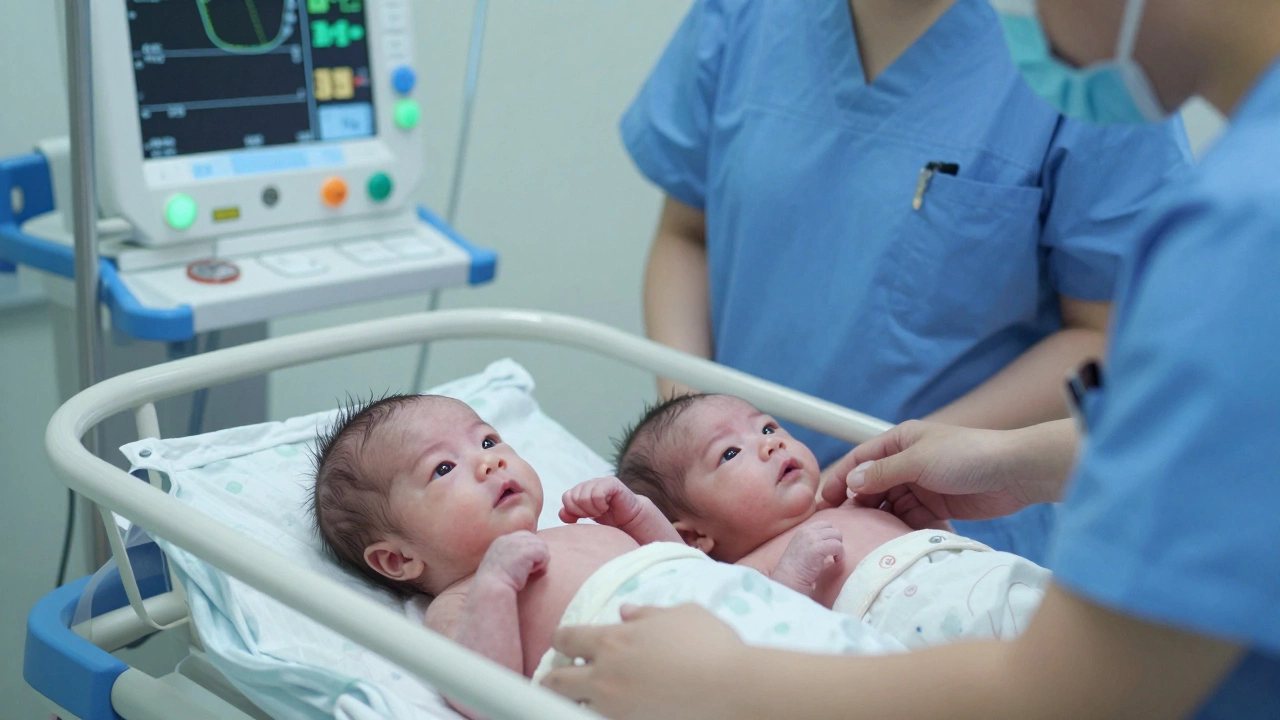
Why does this happen? Clinics used to transfer multiple embryos at once to boost success rates. But each extra embryo increases the chance of multiples. Twins or triplets bring serious complications. For example, preterm birth (before 37 weeks) happens in 45% of IVF multiples versus 15% in single pregnancies. Low birth weight (under 5.5 pounds) affects 35% of multiples but only 12% of single births.
How Multiple Pregnancies Harm Moms and Babies
Multiple pregnancies aren't just about having more babies-they create life-threatening risks. Mothers face higher chances of gestational diabetes, preeclampsia (dangerous high blood pressure), and emergency C-sections. Babies born too early often need weeks in the NICU. Long-term issues include developmental delays, chronic lung disease, and cerebral palsy.
A 2025 study in the New England Journal of Medicine tracked 50,000 IVF pregnancies. It found that twins had a 3.5x higher risk of severe complications compared to singletons. Triplets? The risk jumped to 7x. This is why doctors now push hard for single embryo transfers.
How Clinics Are Reducing This Risk
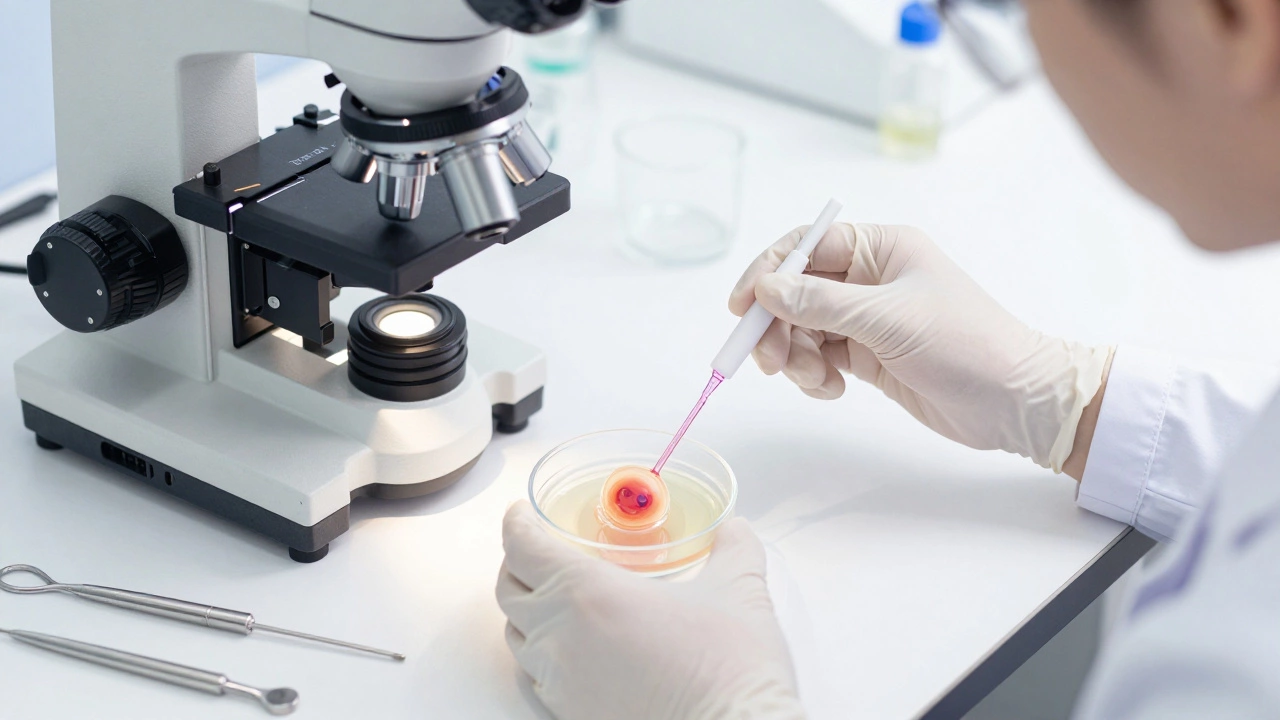
Today, clinics use Single Embryo Transfer (SET) as the standard for many patients. In 2025, 65% of IVF cycles in the U.S. used SET. For women under 35 with good-quality embryos, success rates with SET are nearly identical to multiple transfers-around 40-50% per cycle. The key is using genetic testing like PGT (Preimplantation Genetic Testing) to pick the healthiest embryo.
Here's how SET works in practice: Instead of transferring 2-3 embryos, doctors choose one high-potential embryo. This cuts multiple pregnancy rates to under 10%. For example, a clinic in Bangalore reported a 90% drop in twins after switching to SET-only protocols in 2024. Patients get the same chance of success with far lower risks.
| Risk | Single Embryo Transfer (SET) | Multiple Embryo Transfer |
|---|---|---|
| Multiple pregnancy rate | Under 10% | 20-30% |
| Preterm birth rate | 15% | 45% |
| Low birth weight | 12% | 35% |
| Severe maternal complications | 8% | 25% |
Other Major IVF Risks You Should Know
While multiples are the top concern, other risks deserve attention. Ovarian Hyperstimulation Syndrome (OHSS) happens when fertility drugs overstimulate ovaries. Symptoms include severe bloating, nausea, and fluid buildup. In 2025, severe OHSS affected just 0.5% of IVF patients thanks to better medication protocols. Clinics now use GnRH agonists instead of hCG triggers to cut this risk.
Ectopic pregnancy (where the embryo implants outside the uterus) occurs in 2-5% of IVF cases-higher than natural conception's 1-2%. It's dangerous because it can rupture fallopian tubes. Doctors monitor closely in early pregnancy to catch it fast.
Some worry about birth defects. Data shows a slight increase: 4% of IVF babies have birth defects versus 3% in natural pregnancies. But the absolute risk is still low. Most defects are minor and treatable. Factors like maternal age and underlying health conditions play a bigger role than IVF itself.
How to Minimize Your IVF Risks
You can take control of your risks. First, choose a clinic with high SET rates. Ask: "What percentage of your patients get single embryo transfers?" Top clinics now report 70%+ SET usage. Second, get genetic testing. PGT can identify chromosomal issues in embryos, improving success and reducing miscarriage risk by 30%.
Also, discuss your personal risk factors. If you're over 40 or have PCOS, your doctor might adjust medication doses to avoid OHSS. For those with a history of ectopic pregnancy, IVF clinics can use specialized techniques to lower that risk.
Finally, know the signs of complications. If you experience severe pelvic pain, vomiting, or shortness of breath after egg retrieval, seek help immediately. Early treatment prevents OHSS from becoming life-threatening.
Real-World Success Stories
Take Priya, a 32-year-old from Mumbai. Her first IVF cycle in 2024 transferred two embryos, resulting in twins. Both babies needed NICU care for months. Her second cycle used SET with a genetically tested embryo. She delivered a healthy singleton at 39 weeks. "I wish I'd known about SET earlier," she says. "Now I tell every friend considering IVF: ask for single embryo transfer." Another example is the All India Institute of Medical Sciences (AIIMS) in Delhi. After switching to mandatory SET for women under 35 in 2023, their multiple pregnancy rate dropped from 28% to 7%. Premature births fell by 40% in the same period. This proves that smart protocols save lives without sacrificing success rates.
What is the biggest risk of IVF today?
The biggest risk is multiple pregnancies. While IVF has helped millions conceive, twins or triplets carry higher risks of preterm birth, low birth weight, and maternal complications. Modern clinics now use single embryo transfer to cut this risk significantly.
How common is ovarian hyperstimulation syndrome (OHSS) now?
Severe OHSS affects less than 1% of IVF patients today. Clinics use safer medication protocols like GnRH agonists for trigger shots and adjust drug doses based on individual response. Mild OHSS (bloating, cramps) happens in 10-15% of cases but usually resolves on its own.
Why do some clinics still transfer multiple embryos?
In rare cases, like older patients or those with poor-quality embryos, clinics might transfer two embryos. But this is becoming uncommon. Most top clinics now use SET for 80%+ of patients because success rates are nearly identical and risks are much lower. Always ask why multiple embryos are recommended in your case.
Does IVF increase the risk of birth defects?
The absolute risk is low. About 4% of IVF babies have birth defects compared to 3% in natural pregnancies. Most defects are minor (like heart murmurs) and treatable. Factors like maternal age or genetic conditions matter more than IVF itself. Genetic testing (PGT) can further reduce this risk.
How can I reduce my IVF risks?
Choose a clinic with high single embryo transfer rates. Get genetic testing for embryos. Discuss personalized medication plans with your doctor. Know the warning signs of complications like severe pain or shortness of breath. Early action prevents serious issues.