Aggressive Cancers: What They Are, Who They Affect, and How India Is Responding
When we talk about aggressive cancers, cancers that grow rapidly, spread early, and resist standard treatments. Also known as high-grade tumors, these are the types that don’t wait around—they move fast, often before symptoms show up. Unlike slow-growing cancers that might take years to become dangerous, aggressive cancers can turn from harmless-looking cells to life-threatening disease in weeks. This is why timing matters more than almost anything else.
These cancers don’t pick favorites. They show up in the lungs, breasts, pancreas, liver, and even blood. In India, rising pollution, delayed screenings, and lack of awareness mean many cases are found too late. A tumor that might have been treatable with surgery or targeted therapy at stage one becomes a battle for survival by stage three. The oncology care, the system of diagnosis, treatment, and support for cancer patients here is under pressure, but it’s adapting. Hospitals in Bangalore, Delhi, and Mumbai now have specialized units for fast-progressing cancers, using genetic testing to find the right drugs before the cancer spreads further.
What makes a cancer aggressive? It’s not just size—it’s behavior. Some tumors have mutations that make them ignore the body’s natural stop signals. Others hijack blood vessels to feed themselves. And some simply don’t respond to chemotherapy that works on other types. That’s why doctors now look beyond the organ where the cancer starts. They test for markers like Ki-67, PD-L1, or BRCA mutations to understand how the cancer thinks and moves. This isn’t guesswork—it’s precision medicine, and it’s changing survival rates for people with fast-growing tumors, cancers that multiply quickly and invade nearby tissues.
There’s no single cause, but lifestyle, genetics, and environmental exposure all play a role. Smoking, heavy alcohol use, and untreated chronic inflammation can turn normal cells into dangerous ones faster than you’d expect. And while India’s public health system struggles with access, private clinics are stepping up with faster diagnostics and personalized treatment plans. The key? Don’t wait for pain. If something feels off—unexplained weight loss, persistent fatigue, a lump that won’t go away—get it checked. Early detection isn’t just helpful for aggressive cancers. It’s the only thing that gives you a real shot.
What follows are real stories, real data, and real advice from people who’ve faced these cancers head-on. You’ll find posts on who should avoid certain treatments, what new drugs are working in Indian clinics, and how to spot warning signs before it’s too late. This isn’t theory. It’s what’s happening right now in hospitals across the country—and what you need to know to protect yourself and your loved ones.

Cancers with Poor Survival Rates: Which Types Need Urgent Awareness?
•29 Jul 2025
Discover which cancers have the lowest survival rates, why they’re so dangerous, and what you need to know to spot them earlier.
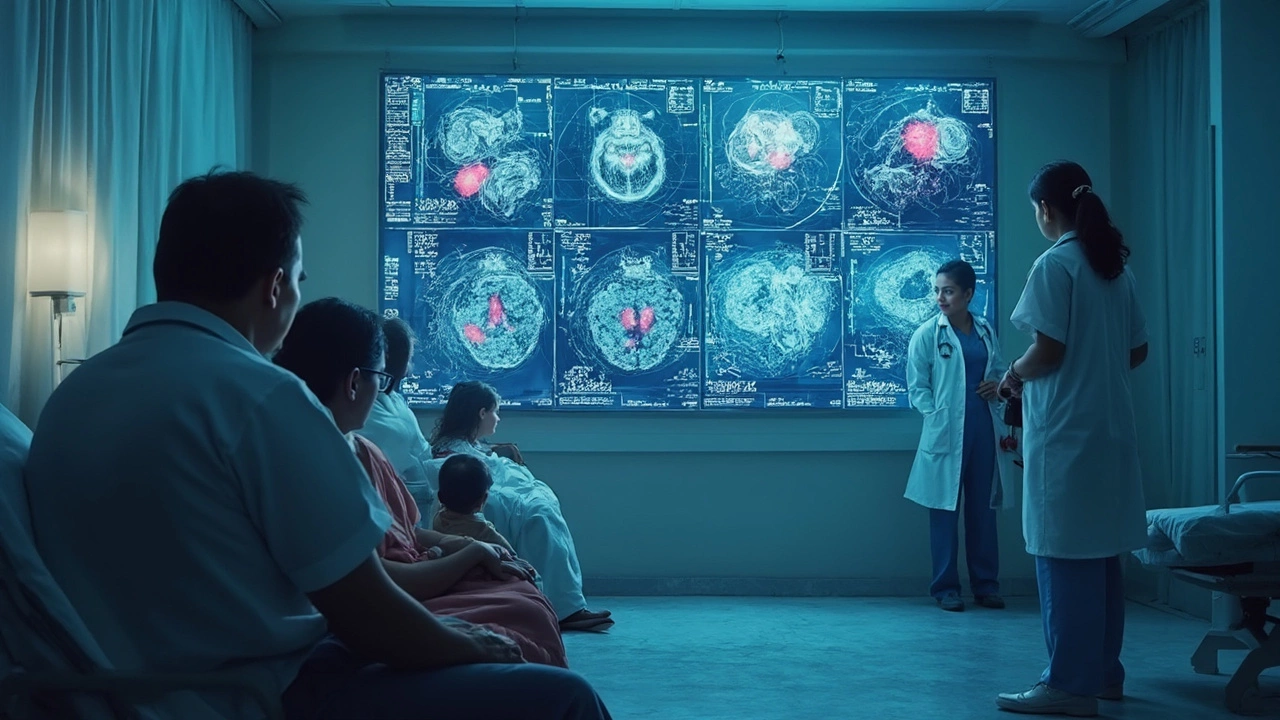
Hardest Cancer to Cure: What Makes Treatment So Tough?
•29 Apr 2025
Not all cancers act the same—some are much tougher to treat than others. This article digs into which cancer is the hardest to cure and why it's so stubborn. You'll learn what makes these cancers aggressive, how doctors are fighting back, and what signs to watch for. It covers new treatment options and small things people can do right now to boost their odds. Get the details on why early detection matters and what's on the horizon.