Beating Cancer: Real Strategies, Support, and Science Behind Fighting Cancer in India
When people talk about beating cancer, the process of overcoming cancer through medical treatment, lifestyle changes, and emotional resilience. Also known as cancer recovery, it’s not a single event—it’s a journey shaped by early detection, access to care, and daily choices that add up. In India, where healthcare access varies widely, beating cancer means more than just taking pills. It’s about knowing which treatments are covered, where to find reliable doctors, and how to manage side effects without breaking the bank.
One key part of this journey is cancer treatment India, the range of medical options available across cities and towns, from public hospitals to private oncology centers. Many people don’t realize that treatments like chemotherapy, radiation, and targeted therapies are available at lower costs in India compared to the U.S. or Europe—sometimes with the same success rates. But cost isn’t the only hurdle. Nutrition, mental health, and family support play just as big a role. For example, patients who stick to simple, science-backed diets often handle treatment better. And while some turn to Ayurveda or herbal supplements, not all of them are safe alongside chemo. Knowing what works—and what doesn’t—is critical.
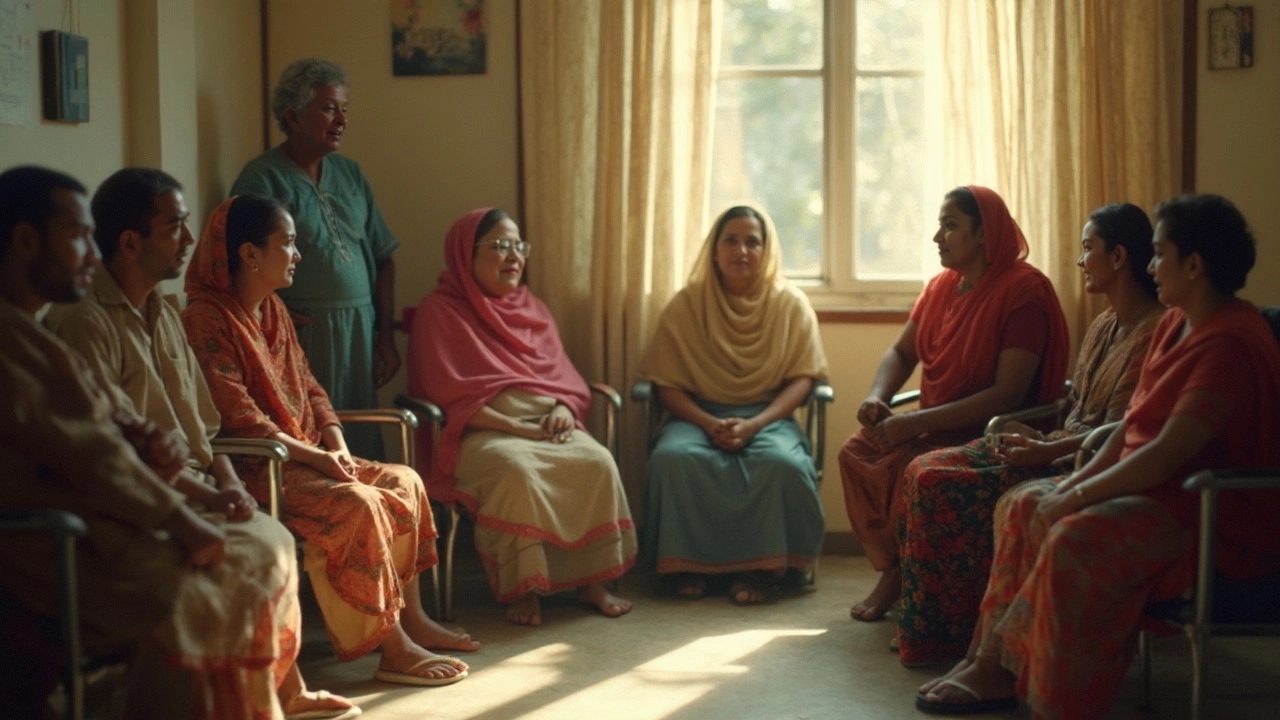
cancer support, the network of caregivers, counselors, patient groups, and community resources that help people cope with diagnosis and recovery. is often overlooked. In India, where stigma around cancer still exists in some areas, having someone to talk to can make the difference between giving up and pushing forward. Support groups in Bangalore, Delhi, and Mumbai connect patients with others who’ve been through the same thing. And while insurance doesn’t always cover everything, there are government schemes and nonprofit programs that help with medication costs, transportation, and even food during treatment.
Beating cancer also means preventing it where you can. Smoking, poor diet, lack of exercise, and delayed screenings are still major causes of preventable cancer cases here. But change is happening. More people are getting mammograms, Pap smears, and colonoscopies—not because they’re told to, but because they’ve seen someone they know go through it. And with new drugs and early detection tools becoming more available, survival rates are slowly improving.
What you’ll find in these posts isn’t magic. There’s no miracle cure. But there are real stories, clear facts, and practical steps people have taken to fight back. From understanding how a new diabetes drug might lower cancer risk, to learning what foods actually help during chemo, to knowing when to skip a risky surgery—this collection gives you the tools to make smarter choices. No fluff. No hype. Just what works, based on real experiences and medical evidence.
Can You Fully Beat Cancer? The Real Story Behind Remission and Cure
•13 May 2025
Is it really possible to be totally free from cancer? This article breaks down what beating cancer actually means, what 'cure' and 'remission' really look like, and the real risks of cancer coming back. With honest facts and practical tips, we dig into the hard realities and share stories of people who've faced cancer head-on. Whether you're a patient or supporting someone who is, you'll find advice, hope, and guidance right here.