Bone Loss and Implants: What You Need to Know Before Surgery
When you lose teeth, your jawbone, the part of the skull that holds your teeth in place. Also known as alveolar bone, it doesn’t just sit there—it needs constant pressure from chewing to stay strong. Without teeth, the bone begins to shrink, a process called bone loss. This isn’t just about missing teeth—it’s about losing the foundation that supports dental implants. If your jawbone has thinned out, an implant won’t stick. It’s like trying to screw a shelf into drywall instead of a stud. The implant needs solid bone to fuse with, and without enough density, it can fail before it even heals.
Dental implants, artificial tooth roots made of titanium that replace missing teeth. Also known as endosseous implants, they’re the gold standard for tooth replacement because they look and function like real teeth. But they’re not for everyone. If you’ve had missing teeth for years, or if you’ve had gum disease, osteoporosis, or smoked heavily, your bone may be too weak. That’s where bone grafting comes in—a procedure where surgeons add bone material to rebuild the jaw. It’s not magic, but it’s often the only way to make implants possible again. Bone grafts can come from your own body, a donor, or synthetic materials. Recovery takes months, and not all grafts succeed. Then there’s jawbone density, a measure of how thick and strong your jawbone is. Also known as bone mineral density, it’s checked with a CT scan before any implant plan is made. Low density doesn’t mean you’re out of options—it just means you need a different approach. Some patients get mini-implants or All-on-4 procedures, which use fewer implants placed at angles to avoid weak spots. Others need a sinus lift if the upper jaw has lost bone near the sinuses.
Bone loss doesn’t happen overnight. It’s often the silent result of untreated gum disease, long-term denture use, or even aging. The good news? Catching it early gives you more options. If you’re considering implants, don’t assume your bone is fine. Get a scan. Ask about grafting. Know your numbers. The posts below cover real cases, recovery tips, and what actually works when bone is thinning—no fluff, no marketing, just what you need to decide if implants are right for you.
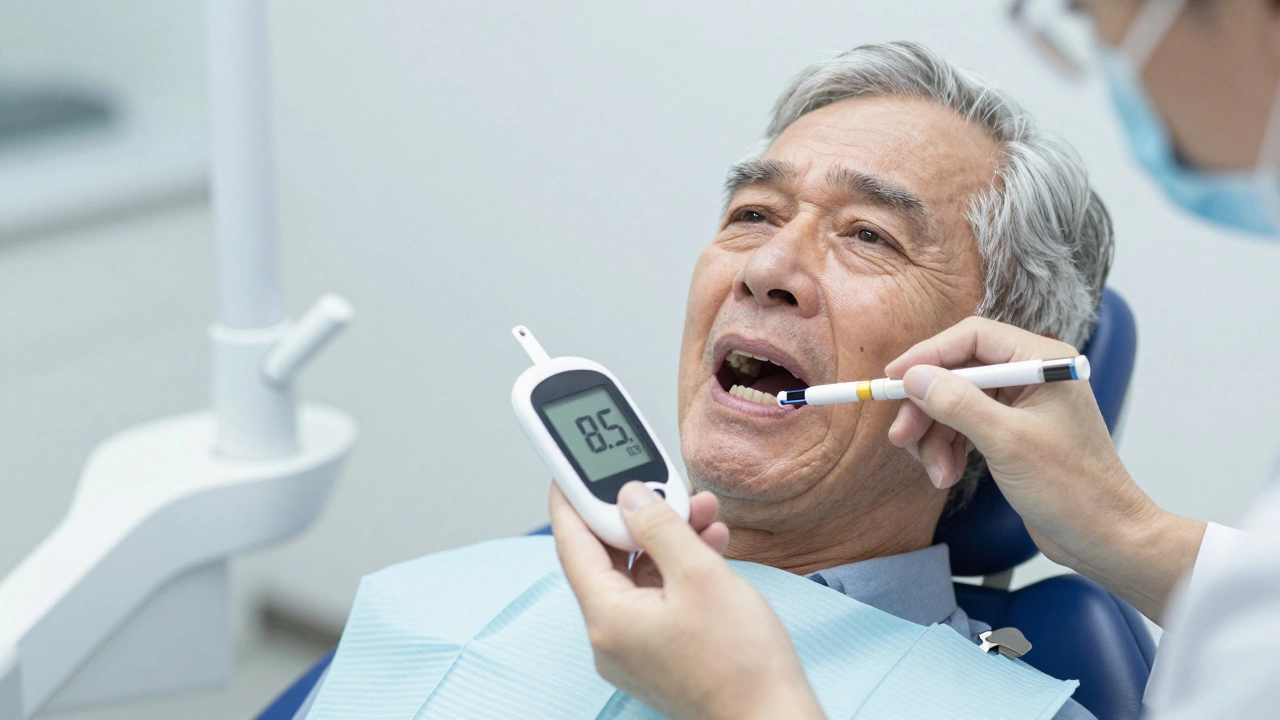
Who Should Not Get Dental Implants? Key Risks and Contraindications
•1 Dec 2025
Not everyone is a good candidate for dental implants. Learn the key health conditions and lifestyle factors that make implants risky or impossible, from uncontrolled diabetes to smoking and bone loss.