Cancer Treatment: What Works, What Doesn’t, and What You Need to Know
When you hear cancer treatment, the medical approaches used to stop or slow the growth of cancer cells in the body. Also known as oncology therapy, it includes everything from surgery to drugs that train your immune system to fight tumors. There’s no single cure. What works for one person might not help another—even if they have the same type of cancer. That’s because treatment depends on the cancer’s stage, location, genetics, and your overall health.
Most chemotherapy, drugs that kill fast-growing cells, including cancer cells. Also known as chemo, it’s been the backbone of cancer care for decades. still plays a big role. But newer options like immunotherapy, treatments that help your body’s own immune system recognize and destroy cancer cells. Also known as immune therapy, it’s changed the game for melanoma, lung, and kidney cancers. are giving people longer, better lives. Then there’s targeted therapy, drugs designed to attack specific mutations in cancer cells. Also known as precision medicine, it’s only effective if your tumor has the right genetic markers. And let’s not forget radiation therapy, high-energy beams used to destroy cancer cells in a specific area. Also known as radiotherapy, it’s often used before or after surgery to shrink tumors or kill leftover cells. These aren’t just buzzwords—they’re real tools doctors use every day in hospitals across India.
What’s missing from most online lists? The messy reality. Not everyone can afford these treatments. Insurance coverage varies. Side effects like fatigue, nausea, and nerve damage aren’t always discussed upfront. Some people turn to Ayurveda or herbal supplements hoping for a gentler path—but there’s little science backing them as replacements for proven therapies. The best outcomes come from combining medical care with smart lifestyle choices: nutrition, movement, stress management, and support networks.
The posts below don’t promise miracles. They give you the facts: who qualifies for certain treatments, what costs to expect, what alternatives exist, and how to spot misleading claims. You’ll find real stories about people navigating treatment in India, questions about drug access, and clear explanations of how modern cancer care actually works—no fluff, no hype, just what you need to know to make smarter decisions.
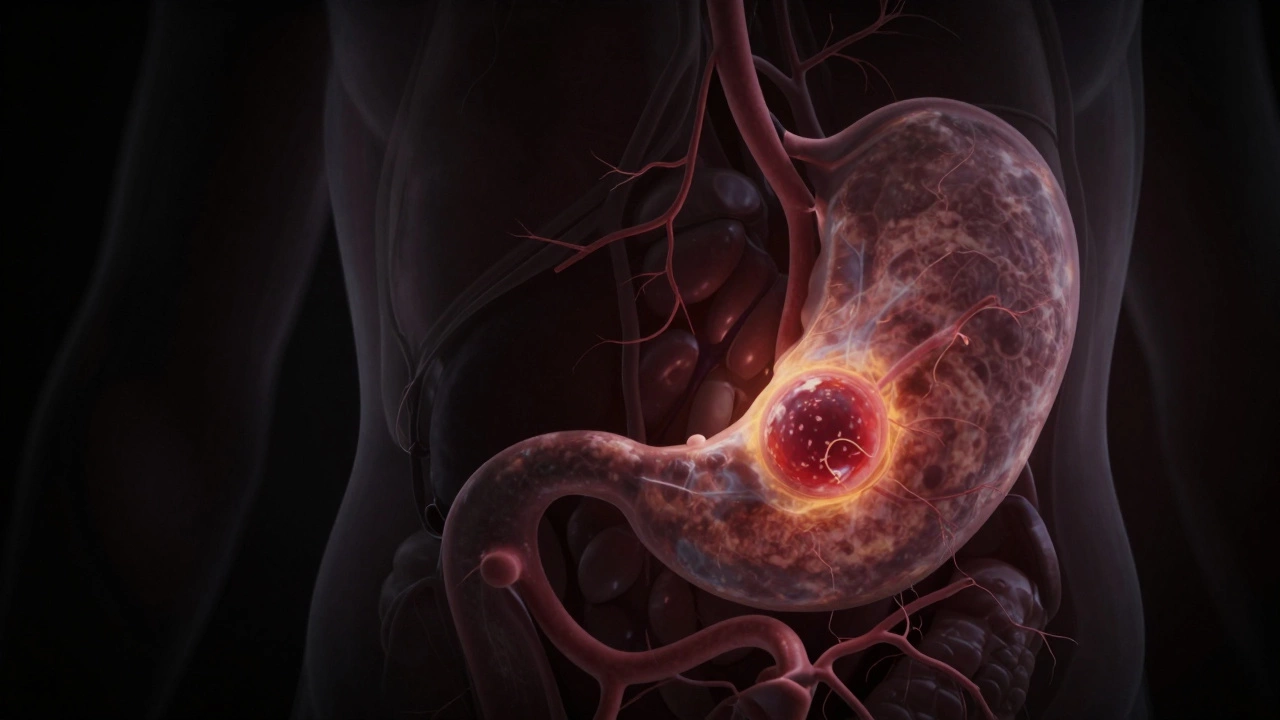
What Is the Most Feared Cancer and Why It Strikes Such Fear
•20 Mar 2026
Pancreatic cancer is the most feared cancer due to its silent progression, late diagnosis, and extremely low survival rate. Learn why it's so deadly and what steps you can take to protect yourself.

Why Can't You Kiss During Chemo? Risks, Reality, and Safer Connections
•10 Jun 2025
Kissing might feel comforting when someone’s going through chemo, but it actually comes with risks. Chemo patients are way more prone to infections, and even a common cold from a kiss can get serious. This article explains the real reasons doctors give this advice, how to protect your loved one, and safer ways to show affection. You’ll also get practical tips and learn when it’s actually okay to kiss again. Everything here is grounded in facts and real experiences.
Can You Fully Beat Cancer? The Real Story Behind Remission and Cure
•13 May 2025
Is it really possible to be totally free from cancer? This article breaks down what beating cancer actually means, what 'cure' and 'remission' really look like, and the real risks of cancer coming back. With honest facts and practical tips, we dig into the hard realities and share stories of people who've faced cancer head-on. Whether you're a patient or supporting someone who is, you'll find advice, hope, and guidance right here.
Hardest Cancer to Cure: What Makes Treatment So Tough?
•29 Apr 2025
Not all cancers act the same—some are much tougher to treat than others. This article digs into which cancer is the hardest to cure and why it's so stubborn. You'll learn what makes these cancers aggressive, how doctors are fighting back, and what signs to watch for. It covers new treatment options and small things people can do right now to boost their odds. Get the details on why early detection matters and what's on the horizon.

Top 3 Deadliest Cancers You Need to Know About
•21 Feb 2025
Cancer continues to be a formidable opponent in the world of health. Understanding the deadliest forms can be the first step in prevention and better treatment approaches. This article explores the top 3 deadliest cancers, shedding light on their impact and offering useful tips for early detection and treatment options. Knowledge is power when it comes to fighting cancer.
What Kills Cancer Cells in the Body: Exploring Effective Treatments
•7 Feb 2025
Cancer cells present a formidable challenge, but understanding how to effectively target and kill them can lead to better outcomes. This article explores various treatments that focus on destroying cancer cells in the body. From chemotherapy to innovative immunotherapies, uncover the mechanisms behind these approaches. Discover how these treatments work to shrink tumors and improve patient health.

Stage 4 Cancer and Chemotherapy: Understanding the Options
•1 Feb 2025
Stage 4 cancer often raises the question of whether chemotherapy is still a feasible option. This article explores the complexities of using chemotherapy at a late stage, how it can impact quality of life, and what factors medical professionals consider when prescribing it. By understanding these elements, patients and their families can make more informed decisions. Gain insight into this challenging topic, along with supportive tips for navigating treatment plans.

Understanding the Deadliest Forms of Cancer: Insights and Treatment Options
•25 Jan 2025
Cancer, in its many forms, always poses a significant threat to life. Among its variants, aggressive cancers, known for rapid progression and poor prognosis, are particularly alarming. Understanding these cancers, such as pancreatic and brain cancers, can guide research and treatment. This article delves into the nature of aggressive cancers, exploring early detection, treatment advances, and lifestyle tips to manage risk.

Understanding Cancers with the Lowest Survival Rates
•25 Jan 2025
Some types of cancer present challenging odds for survival, making it crucial to understand which have the lowest survival rates. This article delves into the factors contributing to these statistics while highlighting medical advancements on the horizon. Readers will gain insights into both the most severe types and ways to support ongoing cancer research.