Implant Contraindications: Who Should Avoid Medical Implants?
When doctors talk about implant contraindications, conditions or factors that make a medical implant unsafe or ineffective for a patient. Also known as contraindications for implants, it refers to the medical red flags that tell a surgeon: "Don’t put this device in." This isn’t about being too cautious—it’s about avoiding serious harm. An implant, whether it’s a knee replacement, pacemaker, dental implant, or joint prosthesis, isn’t a one-size-fits-all fix. For some people, putting in a device can lead to infection, rejection, failure, or even life-threatening complications.
One of the most common contraindications for implants, active infection at or near the implant site. If you have an ongoing skin infection, a dental abscess, or a urinary tract infection, putting in a metal or silicone device is like inviting bacteria to live inside your body. Another major implant contraindications, poor blood circulation. Without enough blood flow, the body can’t heal properly around the implant. This is why people with severe diabetes, smoking-related vascular disease, or peripheral artery disease often can’t safely get joint or dental implants. Then there’s immunosuppression, a weakened immune system from drugs, cancer treatment, or chronic illness. If your body can’t fight off germs, an implant becomes a breeding ground. And let’s not forget uncontrolled mental health conditions, like severe untreated depression or psychosis. If someone can’t follow post-op care instructions, the implant won’t last—and the risks go up.
Some contraindications are temporary. A young person with a knee injury might be told to wait until they’re done growing. Someone with uncontrolled diabetes needs to get their blood sugar stable before surgery. Others are permanent—like having a metal allergy when considering a titanium hip. The key isn’t just listing risks, but understanding what alternatives exist. For example, if you can’t get a knee replacement due to poor circulation, physical therapy, braces, or regenerative injections might be safer options. If dental implants aren’t possible, removable dentures or bridges can still restore function.
You’ll find real cases in the posts below—people who thought an implant was their only path to relief, only to learn it wasn’t safe for them. Others discovered what worked instead. This isn’t about saying "no" to treatment. It’s about making sure the right treatment reaches the right person. Whether you’re considering an implant yourself or helping someone else navigate options, knowing the red flags can save you from costly mistakes and unnecessary pain.
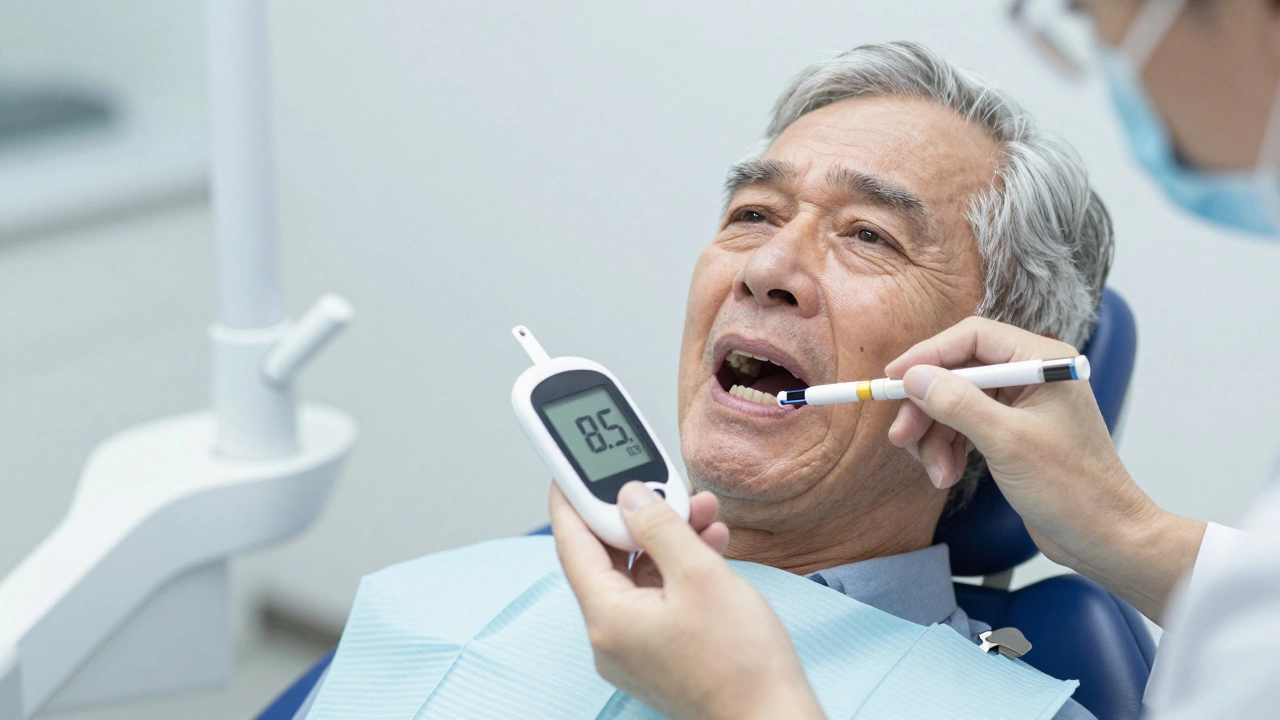
Who Should Not Get Dental Implants? Key Risks and Contraindications
•1 Dec 2025
Not everyone is a good candidate for dental implants. Learn the key health conditions and lifestyle factors that make implants risky or impossible, from uncontrolled diabetes to smoking and bone loss.