IVF and DNA: What You Need to Know About Fertility, Genetics, and Embryo Transfer
When you hear IVF, in vitro fertilization, a medical process where eggs are fertilized outside the body to help people conceive. Also known as test tube baby treatment, it’s become one of the most common ways people in India build families when natural conception isn’t working. But IVF isn’t just about mixing sperm and egg in a lab. It’s deeply tied to DNA, the genetic code that determines everything from eye color to disease risk, passed from parents to child. Every embryo created during IVF carries a unique combination of DNA from both parents—and sometimes, from donors. That’s why understanding DNA isn’t optional in IVF. It’s central.
Most IVF cycles today include some level of genetic screening. Embryo transfer, the step where one or more embryos are placed into the uterus, isn’t random. Clinics now often test embryos for chromosomal issues before transfer, using a process called PGT (preimplantation genetic testing). This helps reduce miscarriage risk and increases the chance of a healthy pregnancy. It’s not about picking traits like height or intelligence—it’s about spotting serious genetic conditions like Down syndrome or cystic fibrosis. And while you can’t choose to have twins on purpose, multiple embryo transfer, placing more than one embryo to boost success can lead to twins or triplets, which come with higher health risks for both mom and babies. That’s why most clinics now recommend single embryo transfer, especially for younger patients with good-quality embryos.
Money, timing, and biology all play a role. A single IVF cycle in India costs between ₹2.2 lakh and ₹3.5 lakh, and insurance rarely covers it. Success isn’t guaranteed—even with perfect DNA and a skilled team. Age matters. Egg quality drops after 35. Sperm health affects embryo development. And lifestyle? Smoking, stress, and obesity can lower your odds. But IVF isn’t just a medical procedure. It’s a journey shaped by science, cost, hope, and sometimes, heartbreak. That’s why people turn to trusted guides—to understand what’s possible, what’s risky, and what’s worth fighting for.
Below, you’ll find real, no-fluff answers about IVF costs, insurance coverage, twin risks, and what actually happens when DNA meets fertility treatment. No hype. No promises. Just what works, what doesn’t, and what you need to know before you start.
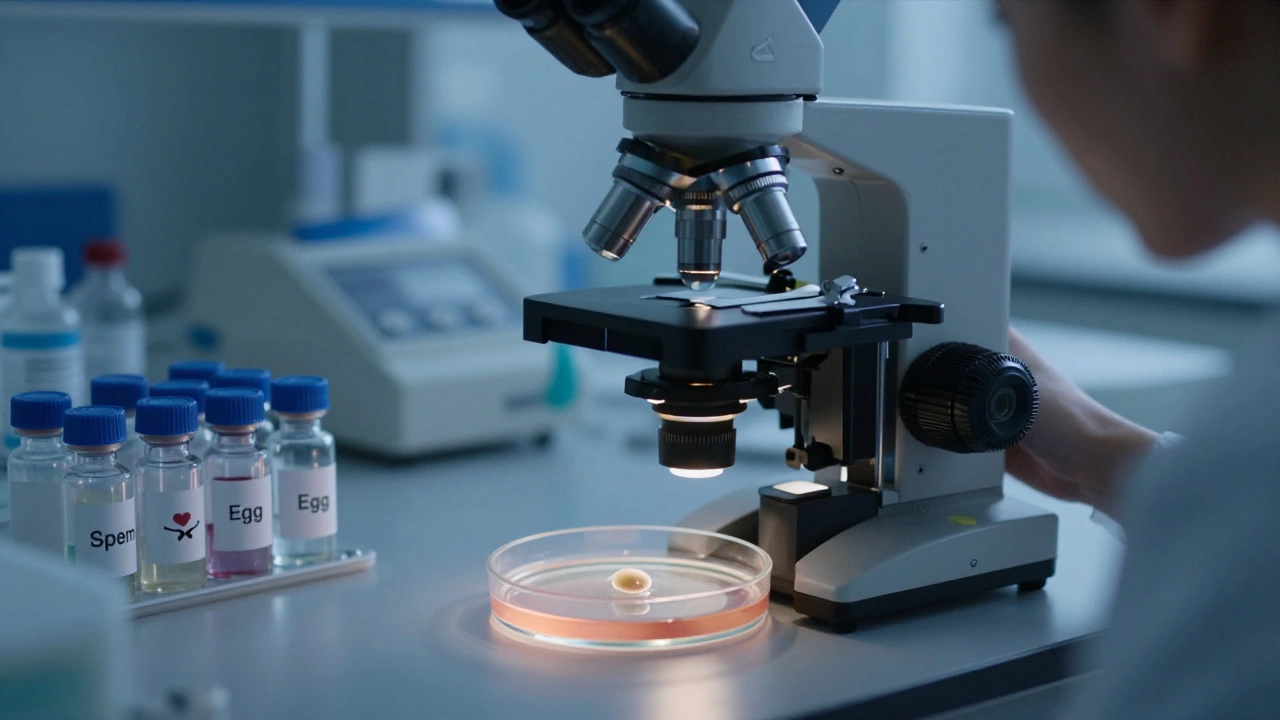
Is an IVF Baby Genetically Yours? Understanding DNA, Donors, and Parentage
•1 Dec 2025
Is an IVF baby genetically yours? The answer depends on whether you used your own egg or sperm. Learn how donor gametes affect genetic links, legal rights, and emotional parenting in IVF.