IVF Donor Eggs: What You Need to Know About Using Donated Eggs for Fertility
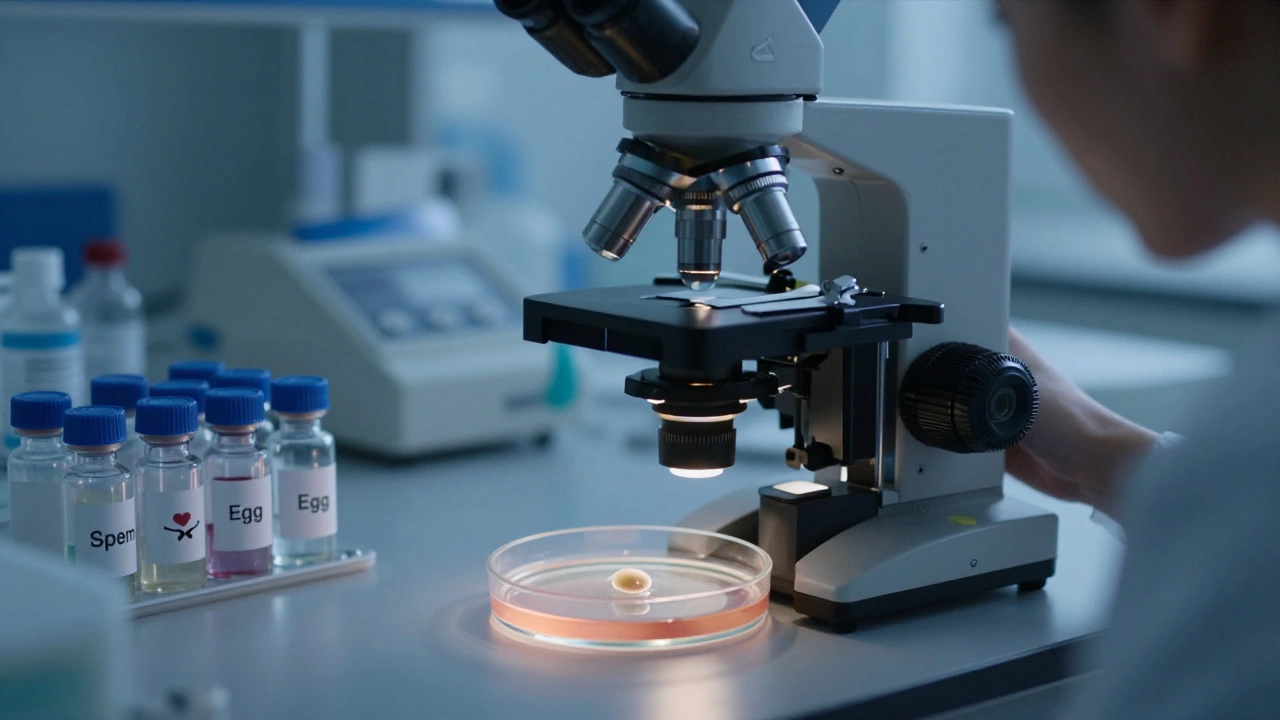
When IVF donor eggs, eggs from a healthy donor used in in vitro fertilization to help someone conceive are part of your fertility plan, it’s not just a medical choice—it’s a deeply personal one. Many people turn to donor eggs because of age-related fertility decline, premature ovarian failure, genetic conditions, or after failed IVF cycles with their own eggs. This option gives people who otherwise couldn’t become biological parents a real shot at pregnancy. It’s not the same as traditional IVF, and the process, success rates, and emotional journey are different too.
Related to this are donor egg IVF, a specific type of fertility treatment where a donor’s eggs are fertilized with sperm in a lab and implanted into the recipient’s uterus, which is often chosen when a woman’s own eggs are no longer viable. The success of this method depends heavily on the donor’s age and health, not the recipient’s. Studies show that using donor eggs from women under 30 can lead to pregnancy rates over 50% per cycle, even for recipients in their 40s. That’s why clinics in cities like Bangalore and Mumbai increasingly recommend donor eggs for women over 40. It’s also linked to egg donation, the process where a woman donates her eggs to help another person or couple conceive, which involves medical screening, hormone stimulation, and a minor surgical procedure. Donors are usually compensated and must meet strict health and genetic criteria.
There’s also the legal and emotional side. In India, egg donation is anonymous by law, and donors can’t be chosen based on looks or education—only medical suitability. Some clinics let recipients know basic traits like blood type or ethnicity, but that’s it. Many people worry about the emotional impact of using someone else’s genetic material. Others feel relief—finally, a path forward. And while IVF donor eggs can be expensive, costing between ₹2.5 lakh and ₹4 lakh including medications and screening, it’s often more affordable than going abroad. Insurance rarely covers it, but some clinics offer payment plans or shared donor programs to reduce costs.
What you’ll find in the posts below are real, practical answers to the questions most people ask: How do you pick a donor? What if the embryo doesn’t implant? Can you use frozen donor eggs? Is there a difference between fresh and frozen? You’ll also see how IVF donor eggs connect to other fertility topics—like the cost of one IVF cycle, what insurance covers, and whether twins are more likely with donor eggs. These aren’t theory pieces. They’re based on what people actually experience in Indian clinics, what doctors say behind closed doors, and what the data shows when you cut through the marketing.
Is an IVF Baby Genetically Yours? Understanding DNA, Donors, and Parentage
•1 Dec 2025
Is an IVF baby genetically yours? The answer depends on whether you used your own egg or sperm. Learn how donor gametes affect genetic links, legal rights, and emotional parenting in IVF.