Joint Replacement: Who Needs It, Who Should Avoid It, and What Comes Next
When your joint replacement, a surgical procedure to remove damaged joint surfaces and replace them with artificial components. Also known as arthroplasty, it's one of the most common orthopedic surgeries in India, especially for knees and hips. But not every sore joint needs a replacement. Many people assume pain equals surgery—but that’s not true. In fact, some conditions make joint replacement dangerous, not helpful. If you have uncontrolled diabetes, an active infection, poor circulation, or severe nerve damage, surgery can lead to complications that outweigh the benefits. Even obesity and lack of mobility before surgery can ruin outcomes. This isn’t scare tactics—it’s what orthopedic surgeons in Bangalore, Delhi, and Pune tell patients who come in thinking replacement is the only answer.
That’s why total knee replacement, a specific type of joint replacement that replaces the entire knee joint surface is often misunderstood. It’s not a fix for mild arthritis or occasional stiffness. It’s for when pain stops you from walking, climbing stairs, or sleeping. And even then, doctors will try everything else first—physical therapy, injections, weight loss, braces. One study found that 40% of patients who thought they needed knee replacement didn’t actually benefit from it after trying non-surgical options. The knee surgery candidate, a person evaluated for joint replacement based on pain level, mobility, and overall health isn’t just someone with bad knees. It’s someone whose quality of life has dropped so low that they’re willing to risk surgery to get it back. And that’s a big decision.
What’s missing from most conversations? The alternatives. If you’re not a good candidate for joint replacement, you still have options. Weight loss alone can cut knee pain by 50%. Physical therapy focused on strengthening the muscles around the joint often works better than people expect. Even simple changes—like switching from running to swimming or using a cane—can delay or even prevent surgery. And if you’re already past the point of no return? Recovery matters just as much as the operation. The knee replacement risks, potential complications including infection, blood clots, implant failure, or nerve damage are real, but they’re far less common if you move early after surgery. Sitting still is the worst thing you can do. Movement is the medicine.
What you’ll find below are real stories and facts from people who’ve been through this. Some avoided surgery and got better. Others had the procedure and wish they’d waited. A few didn’t know they weren’t good candidates until it was too late. These aren’t abstract medical theories—they’re lived experiences, backed by data from clinics across India. Whether you’re wondering if you’re a candidate, worried about risks, or just trying to understand what comes after the operation, you’ll find clear, no-fluff answers here. No hype. No sales pitches. Just what actually works.
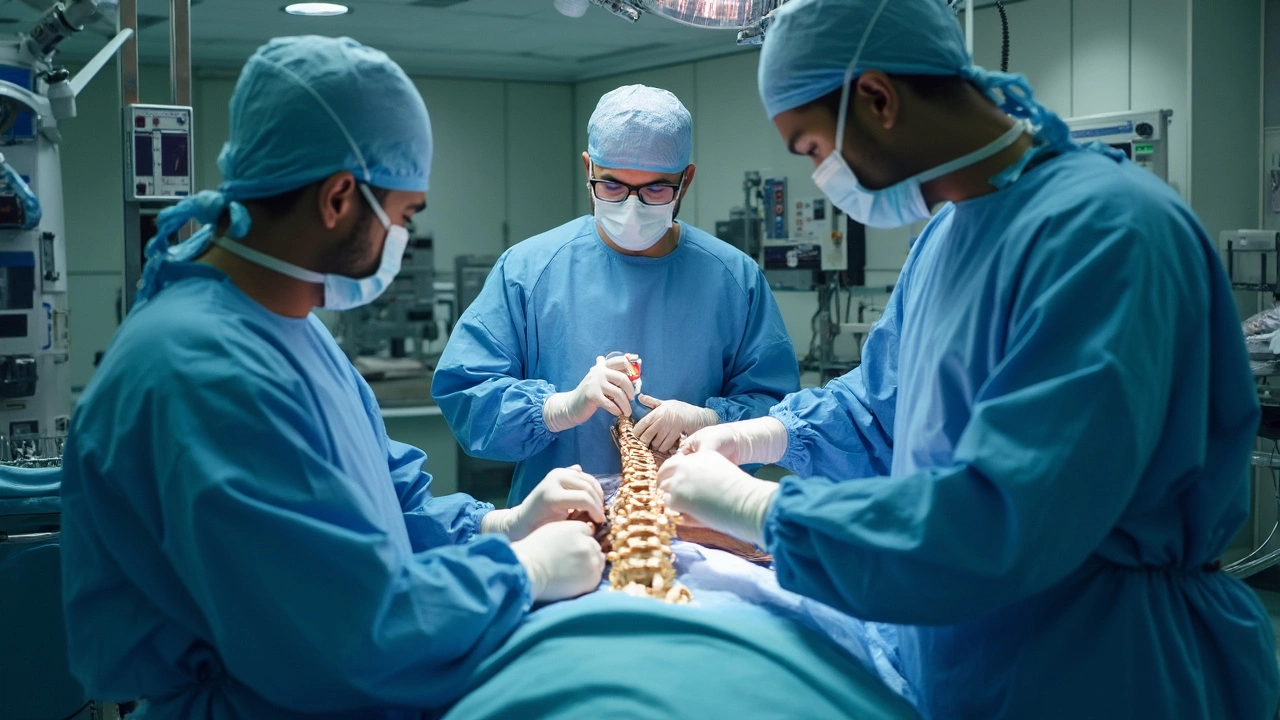
What is the Most Expensive Surgery in Orthopedics?
•2 Apr 2025
Exploring the world of costly orthopedic surgeries, this article delves into the factors that make certain procedures, like complex spinal surgeries and advanced joint replacements, the most expensive in the field. We uncover why these surgeries carry such high price tags and what patients can expect in terms of cost, recovery, and outcomes. The discussion also includes tips to manage expenses and insights on alternative options. Plus, learn how technological advancements are impacting costs and effectiveness.