Natural Kidney Support: What Actually Works and What to Avoid
When you think about natural kidney support, ways to help your kidneys work better without drugs or surgery. Also known as kidney detox, it’s not about flushing toxins with lemon water or juice cleanses—it’s about reducing strain and giving your kidneys what they need to do their job. Your kidneys filter about 120 to 150 quarts of blood every day. That’s like running a water treatment plant inside your body, 24/7. If they’re overloaded, things go wrong fast—swelling, high blood pressure, fatigue, even long-term damage.
Many people turn to Ayurveda, an ancient Indian system of medicine focused on balance and natural healing. Also known as Ayurvedic medicine, it offers practical tools for natural kidney support through herbs like Punarnava, Gokshura, and Varuna. These aren’t magic pills—they’re gentle aids that help reduce inflammation and improve urine flow, backed by centuries of use and growing clinical studies. But Ayurveda isn’t the only path. Simple habits matter more than fancy supplements: drinking enough water, cutting back on salt, avoiding processed foods, and staying active. Sitting all day or eating too much sugar puts extra pressure on your kidneys. They’re not designed to handle constant overload.
There’s a big difference between supporting your kidneys and trying to "detox" them. Your kidneys are already the best detox system you’ve got. What they need isn’t a cleanse—they need rest, clean fuel, and space to work. Herbs like berberine, a plant compound shown to help with blood sugar and inflammation (also found in goldenseal and barberry) can help if you have diabetes or high blood pressure, both major threats to kidney health. But berberine isn’t a substitute for medical care. It’s a tool—use it right, and it helps. Use it wrong, and it adds stress.
People with chronic kidney issues often look for natural alternatives because medications come with side effects. That’s smart. But natural doesn’t mean harmless. Some herbal teas, supplements, and even over-the-counter painkillers can hurt your kidneys if you’re not careful. The key is balance: know what’s helping, what’s neutral, and what’s risky. Focus on whole foods, hydration, movement, and proven herbs—not trends.
What you’ll find below are real, practical posts that cut through the noise. No vague advice. No "drink this and cure everything" claims. Just clear, evidence-based info on how to protect your kidneys using diet, Ayurvedic herbs, lifestyle changes, and what to avoid. Whether you’re trying to prevent problems or manage early signs of trouble, these guides give you the tools to act—safely and effectively.
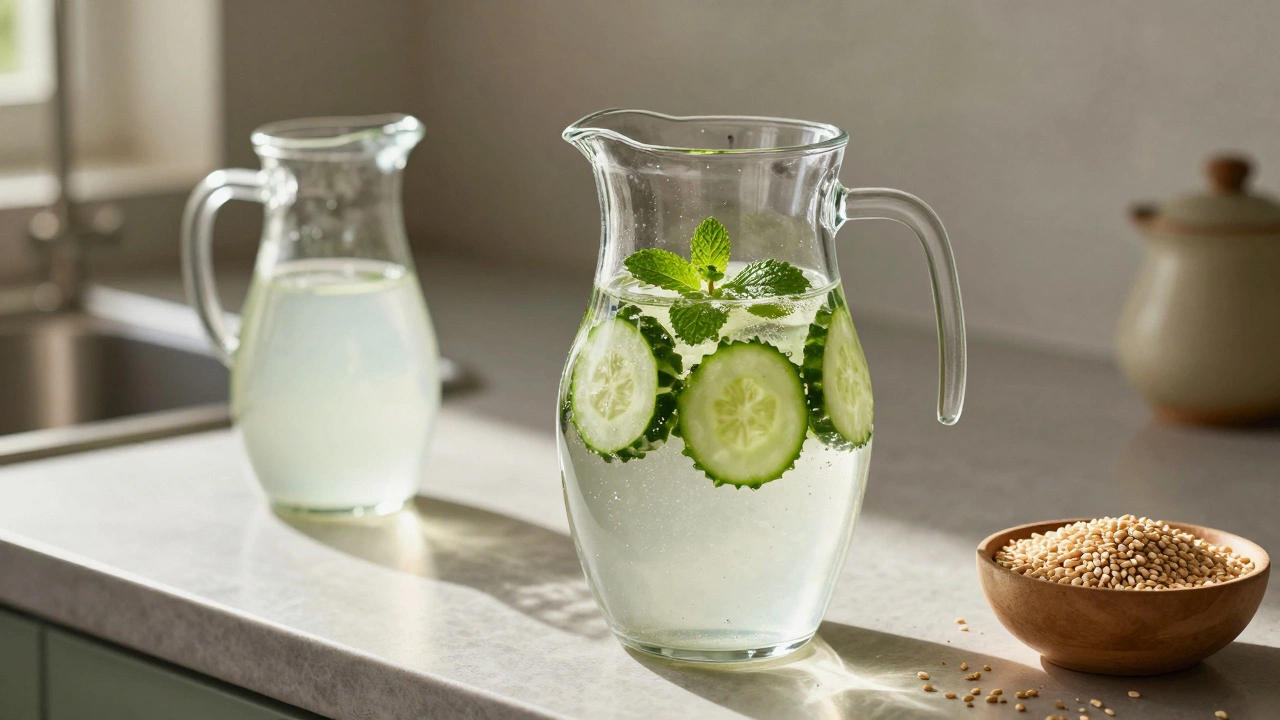
Best Drinks to Support Kidney Function Naturally
•1 Dec 2025
Discover the best natural drinks like barley water, coriander seed water, and cucumber-mint infusion to support kidney function. Learn what works, what to avoid, and how to build a daily habit for lasting kidney health.