Online Pharmacy Scams: How to Spot Fake Medicines and Stay Safe
When you buy medicine online, you expect convenience—not danger. But online pharmacy scams, fraudulent websites that sell fake, expired, or contaminated drugs under the guise of legitimate pharmacies are growing faster than ever. These aren’t just shady sites selling discount pills—they’re risking your life. People have ended up in hospitals after taking fake versions of diabetes, heart, or even cancer drugs sold as real. And it’s not just about bad medicine. Many of these sites steal your credit card info, identity, and medical records too.
How do you tell the difference? Legitimate online pharmacies require a valid prescription, show a physical address and phone number, and are licensed by your country’s health authority. In India, that means checking if they’re registered with the Drug Controller General of India (DCGI), the federal body that approves and regulates all medicines sold in the country. If a site says "no prescription needed" or offers "miracle cures" for serious conditions, walk away. Also, watch for poor grammar, misspelled brand names, and prices that seem too good to be true—like $10 for a month’s supply of Ozempic or Wegovy. Real pharmacies don’t undercut costs that much; they’re bound by strict pricing and safety rules.
Another red flag? Sites that don’t have a licensed pharmacist available to answer questions. A real online pharmacy will let you talk to someone trained to check for drug interactions or side effects. And don’t trust random social media ads or WhatsApp sellers claiming to ship "original" drugs from the US or UK. Most of those packages are smuggled, untested, and often contain chalk, sugar, or worse. The counterfeit medicines, fake drugs that mimic real ones but contain wrong or dangerous ingredients market is worth billions globally—and India is a major target. The government has cracked down, but scammers just move to new domains every few weeks.
What should you do instead? Stick to known platforms like Amazon Pharmacy or licensed Indian pharmacies with verified contact details. Always check the website’s license number on the DCGI portal. If you’re unsure, call your local hospital pharmacy and ask if they recognize the site. And if you’ve already bought from a suspicious site? Save your receipt, screenshot the page, and report it to the National Cyber Crime Reporting Portal. You’re not just protecting yourself—you’re helping shut these operations down.
The posts below show real cases, warning signs, and safe alternatives you can trust. From how to verify a pharmacy’s license to what to do if you took fake metformin, these guides give you the facts—not fear. You don’t need to guess. You just need to know what to look for.
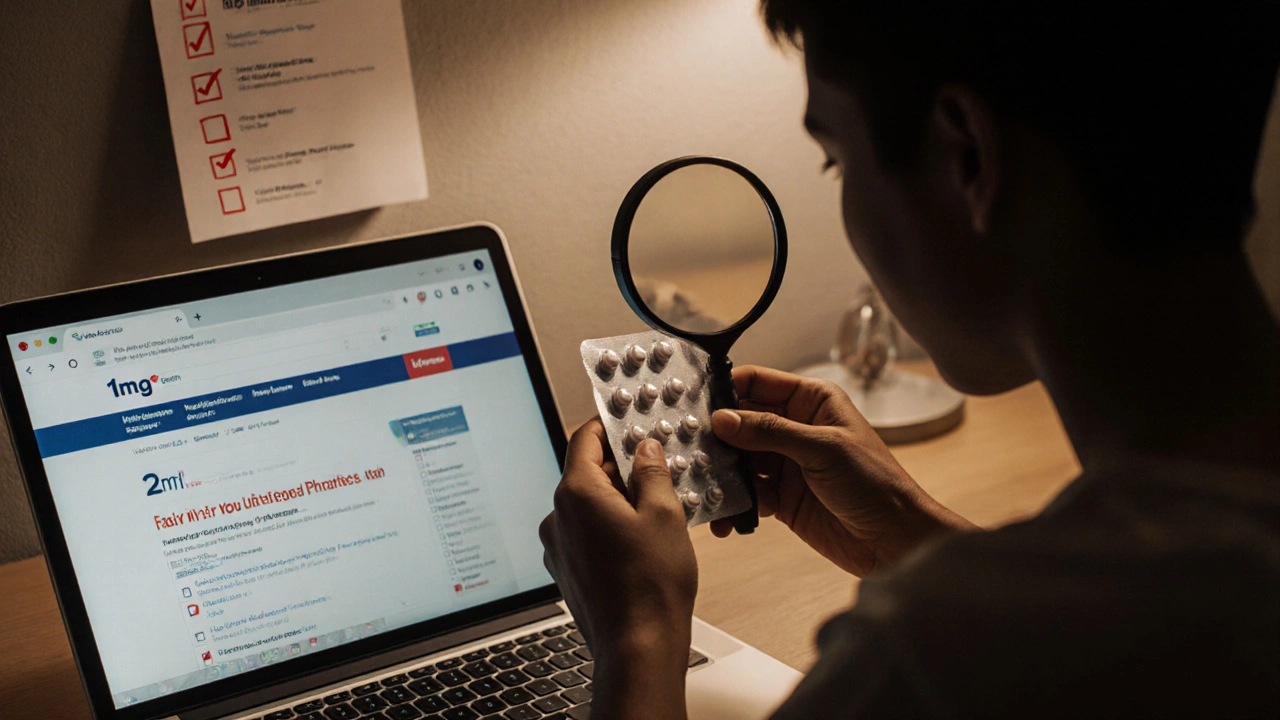
Which Online Pharmacies Are Legit? A Real-World Guide to Safe Online Medicines
•25 Nov 2025
Learn how to identify legit online pharmacies in India and avoid dangerous scams. Discover trusted platforms, red flags, and steps to verify medicine sellers safely.