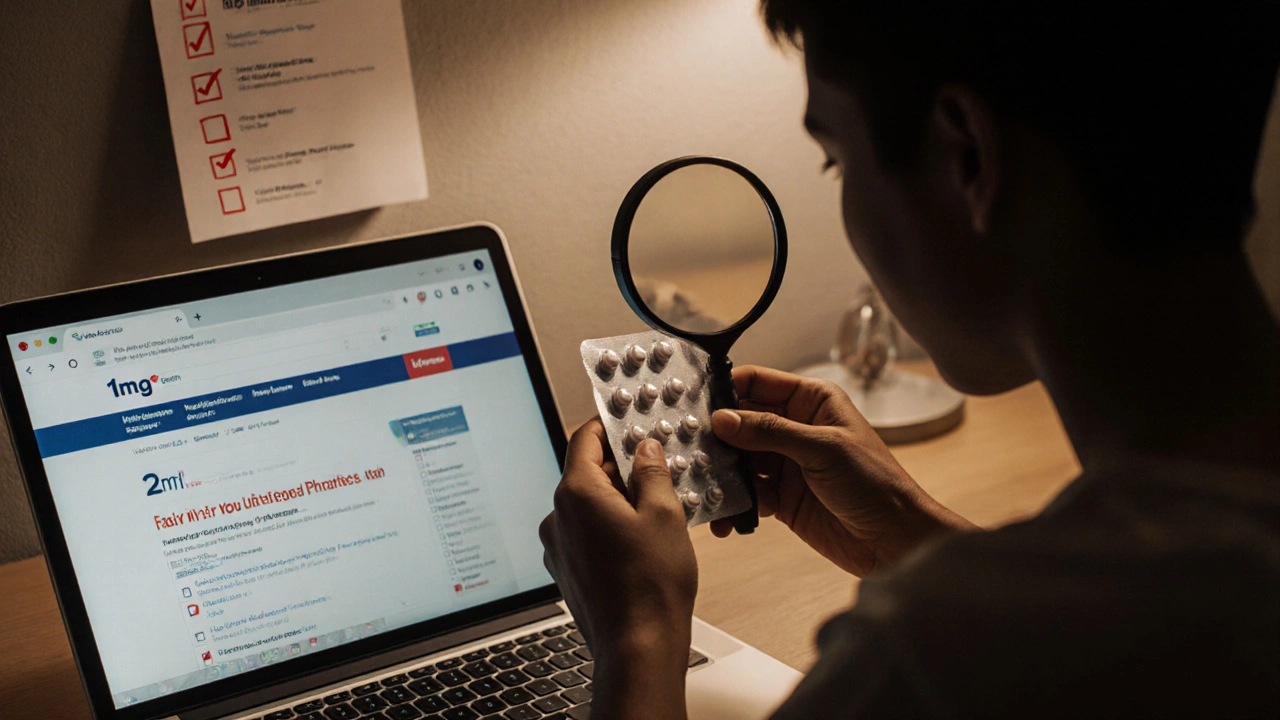
Online Pharmacy Verification Tool
Verify Your Online Pharmacy
Enter the name of the online pharmacy you want to verify to check if it meets legitimate criteria for safe medicine purchases.
Verification Results
Check the criteria below to determine if this pharmacy is legitimate.
Buying medicine online sounds simple-click, pay, wait, get pills delivered. But how do you know if the website you’re using is real or a scam? Every day, people order painkillers, antibiotics, or diabetes meds from shady sites that sell fake, expired, or even toxic drugs. Some of these sites look professional. They have nice logos, SSL certificates, and customer reviews. But they’re still dangerous. And in India, where over 30% of online medicine purchases happen through unverified portals, the risk is real.
What Makes an Online Pharmacy Legit?
A legit online pharmacy doesn’t just sell medicine-it follows strict rules. In the U.S., the National Association of Boards of Pharmacy (NABP) runs the VIPPS program. In the EU, it’s the EU Common Logo. In India, the Ministry of Health and Family Welfare requires all online pharmacies to be registered under the Drugs and Cosmetics Act and display their license number clearly on the website.
Here’s what to look for:
- A physical address you can verify (not just a PO box)
- A licensed pharmacist available for consultation
- Requirement for a valid prescription for controlled medicines
- A visible pharmacy license number (e.g., License No: DL-XX-XXXX in India)
- Secure checkout with HTTPS and a padlock icon
If a site lets you buy Viagra or Oxycodone without a prescription, walk away. That’s not convenience-that’s illegal and potentially deadly.
How to Spot a Fake Online Pharmacy
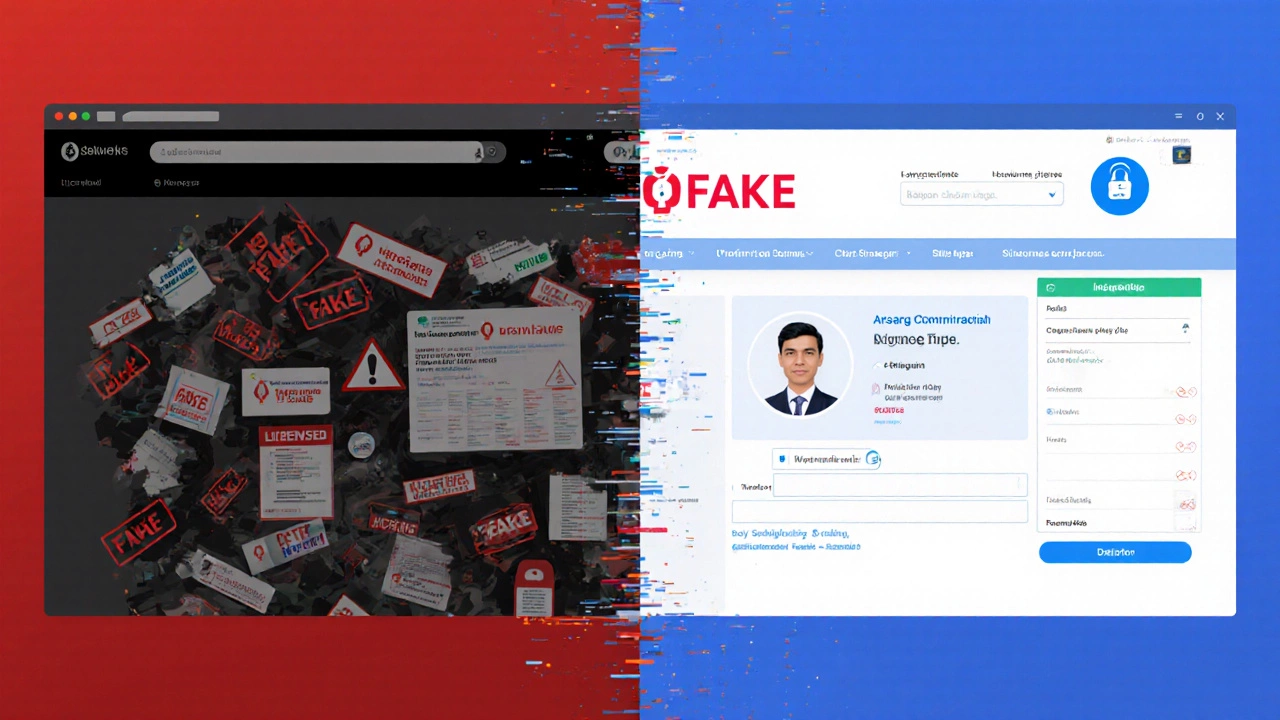
Fake pharmacies are good at copying real ones. They use similar names, copy website layouts, and even fake testimonials. But they slip up in small ways.
Here are red flags:
- No contact number or only a WhatsApp number
- Prices that are 70% cheaper than local pharmacies
- “Free shipping” with no return policy
- Spelling errors, broken English, or unprofessional design
- Pop-up ads that redirect you to the site
- No mention of regulatory approval or licensing
One 2024 study by the World Health Organization found that 50% of medicines bought from unverified online sources were counterfeit. In some cases, fake insulin contained no active ingredient. Fake antibiotics had no antibacterial properties. People got sicker because they trusted the wrong site.
Legit Online Pharmacies in India (2025)
Not all online pharmacies are risky. Here are a few that are registered, verified, and trusted by millions in India:
- 1mg - Registered with the DCGI, displays license number on every page, offers teleconsultation, and partners with local pharmacies for delivery.
- PharmEasy - Licensed under the Drugs and Cosmetics Act, requires prescriptions for scheduled drugs, and has a verified pharmacist on call.
- Netmeds - Shows its pharmacy license on the footer, uses encrypted payment gateways, and has a clear return policy.
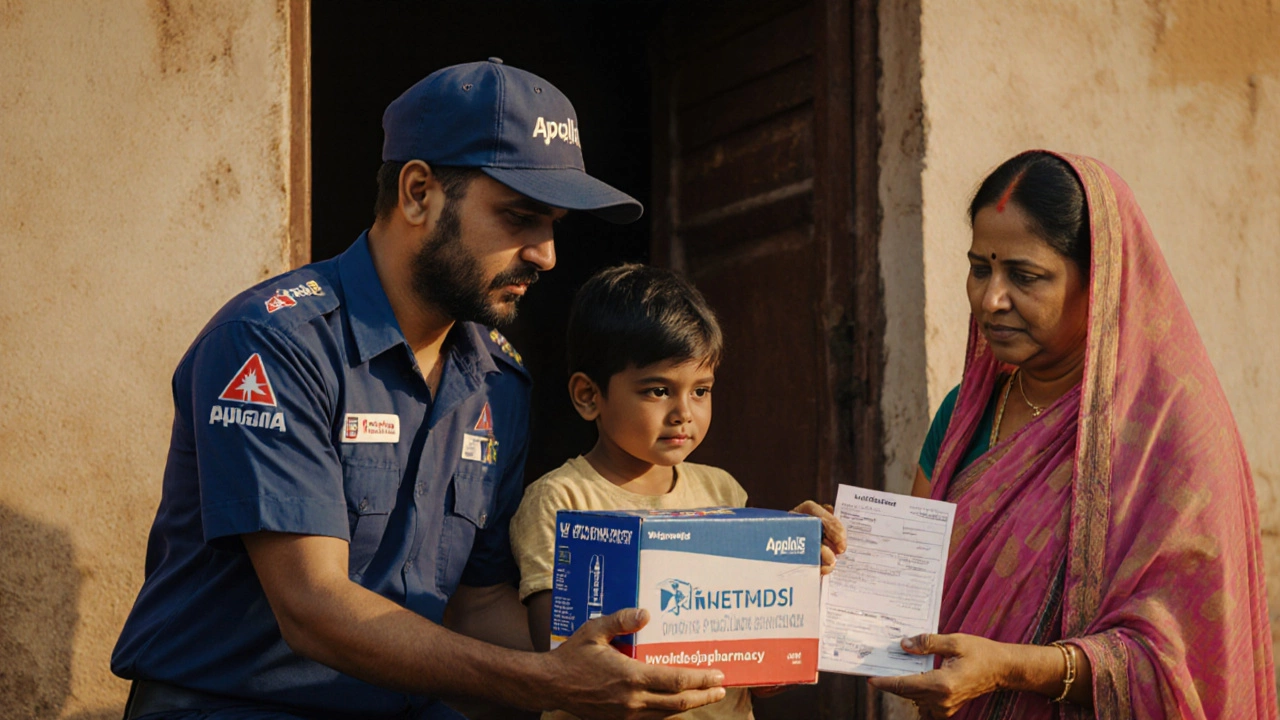
- Apollo Pharmacy - Operated by Apollo Hospitals, follows all regulatory standards, and offers same-day delivery in major cities.
- MedPlus Mart - Licensed by state drug authorities, provides batch numbers and expiry dates for every product.
All of these sites require you to upload a prescription for medicines like antibiotics, antidepressants, or insulin. If they don’t, they’re not following Indian law.
What About International Pharmacies?
Some people buy from U.S.-based sites like CVS or Walgreens because they think it’s cheaper. But importing prescription drugs into India without approval is illegal under the Drugs and Cosmetics Rules. Even if the drug is real, customs can seize it. And if something goes wrong-like an allergic reaction-you have no legal recourse.
There are exceptions. For rare or expensive drugs not available in India (like certain cancer treatments), patients sometimes use authorized international pharmacies approved by the Indian government. These are listed on the Central Drugs Standard Control Organization (CDSCO) website. But even then, you need prior permission from the DCGI.
How to Verify a Pharmacy Before You Buy
Don’t just trust the homepage. Dig deeper.
- Go to the website’s “About Us” or “License” page. Look for the pharmacy license number.
- Search that license number on the State Drug Control Authority website (e.g., for Karnataka, visit sdca.kar.nic.in).
- Check if the physical address matches Google Maps. Visit the location if you can.
- Call the number listed. Ask to speak to a pharmacist. If they can’t answer basic questions about the medicine, walk away.
- Search the company name + “complaint” on Google. Look for recent reports on Consumer Protection Council forums or the National Consumer Helpline.
One user in Pune ordered diabetes medicine from a site that looked perfect. The pills arrived in sealed blister packs. But when he checked the batch number on the manufacturer’s website, it didn’t exist. The medicine was fake. He ended up in the hospital with dangerously high blood sugar.
What to Do If You’ve Been Scammed
If you bought medicine from a fake site:
- Stop taking the medicine immediately.
- Save all receipts, emails, and packaging.
- Report it to the National Consumer Helpline at 14404 or through the NCH app.
- File a complaint with the Drugs Controller General of India (DCGI) via their online portal.
- Alert your doctor. They may need to monitor you for side effects.
Many fake pharmacies operate from outside India. But reporting helps authorities track them down and shut them down.
When to Use Online Pharmacies
Online pharmacies are great for:
- Chronic condition meds (diabetes, hypertension, thyroid)
- Refills when you can’t visit a clinic
- Medicines in remote areas with poor pharmacy access
- Discreet purchases (like mental health or sexual health drugs)
But they’re not for:
- Emergency medicines (like epinephrine or nitroglycerin)
- First-time prescriptions
- Drugs without a doctor’s approval
- Supplements that claim to “cure” serious diseases
Always talk to your doctor before switching to an online pharmacy. They can recommend trusted platforms and warn you about red flags you might miss.
Final Checklist Before You Click ‘Buy’
Use this quick checklist every time you order medicine online:
- ✅ Prescription required for scheduled drugs?
- ✅ Pharmacy license number visible and verifiable?
- ✅ Physical address listed and matchable on Google Maps?
- ✅ Pharmacist available for questions?
- ✅ No “miracle cures” or unapproved drugs?
- ✅ Secure payment (credit card or UPI, not crypto or wire transfer)?
- ✅ Clear return and refund policy?
If you answer yes to all seven, you’re safe. If even one is no, don’t buy. It’s not worth your health.
Can I trust online pharmacies that offer free consultations?
Some legitimate pharmacies like 1mg and PharmEasy offer free teleconsultations with registered doctors. But if the consultation feels rushed, the doctor’s name isn’t listed, or they prescribe without asking for your medical history, it’s a red flag. Legit services always require you to upload past prescriptions or medical records.
Are online pharmacies cheaper than local ones?
Sometimes, but not always. Legit online pharmacies in India price medicines close to local pharmacies because they follow government price controls. If a site offers a 500mg Amoxicillin capsule for ₹5 when it normally costs ₹25, it’s likely fake. Real pharmacies don’t sell at that loss-they’d be violating drug pricing laws.
What if I get the wrong medicine?
Reputable online pharmacies have clear return policies. If you receive the wrong drug, contact them immediately with photos of the packaging and batch number. They must replace it or refund you. If they don’t respond or blame you, report them to the National Consumer Helpline. Never take medicine you didn’t order.
Can I order insulin online?
Yes, but only from licensed pharmacies that require a valid prescription. Insulin is a scheduled drug. PharmEasy, Apollo Pharmacy, and Netmeds all deliver insulin with cold-chain packaging to ensure it stays effective. Never buy insulin from a site that doesn’t ask for your prescription.
Do online pharmacies deliver to rural areas?
Yes. Most major platforms deliver across India, including tier-2 and tier-3 cities. Delivery times may be longer-3 to 7 days instead of 1 to 2-but they still reach villages. Some even partner with local chemists for last-mile delivery. If a site says they don’t deliver to your area, it’s probably not a licensed pharmacy.
Is it safe to pay with UPI for medicines?
Yes, UPI is one of the safest payment methods. It’s traceable, encrypted, and reversible if fraud occurs. Avoid paying via cryptocurrency, Western Union, or direct bank transfer-they offer zero protection. Legit pharmacies always use UPI, credit cards, or digital wallets with buyer protection.
Next Steps: Stay Safe
Online pharmacies can make life easier-if you choose wisely. The safest way to buy medicine online is to stick to the big, licensed names you know. Don’t chase discounts. Don’t ignore prescriptions. And never assume a website is safe just because it looks professional.
If you’re unsure, call your local pharmacy. Ask them if they’ve heard of the site. Most pharmacists know which online stores are trustworthy. They’ve seen the bad ones too.
Your health isn’t a gamble. Don’t risk it for a few rupees saved.