Pancreatic Cancer: Symptoms, Risks, and What You Need to Know
When we talk about pancreatic cancer, a aggressive form of cancer that starts in the tissues of the pancreas, often without early symptoms. It's known for being hard to detect until it's advanced, and it's one of the leading causes of cancer-related deaths in India and worldwide. Unlike some cancers that show clear early signs, pancreatic cancer creeps up quietly—making awareness and timely testing critical.
People with chronic pancreatitis, long-term inflammation of the pancreas that damages its cells over time are at higher risk. So are those with a family history of the disease, smokers, and individuals with type 2 diabetes that develops later in life. Obesity, a growing concern in urban India, especially among middle-aged adults also increases the chance of developing this cancer. These aren’t just risk factors—they’re warning signs that your body might be under silent stress.
The symptoms are easy to miss. A dull pain in the upper belly that spreads to the back, unexplained weight loss, yellowing of the skin or eyes (jaundice), and new-onset diabetes are the big red flags. Many people brush these off as stress, indigestion, or aging. But if you’ve had persistent symptoms for more than a few weeks, especially with no clear cause, it’s not something to wait on. Early detection can change outcomes—even if treatment is tough.
Treatment options depend on how far the cancer has spread. Surgery is the only real chance for cure, but only about 15-20% of cases are caught early enough. For others, chemotherapy, radiation, or targeted therapies help manage the disease and improve quality of life. There’s no magic pill, but research is moving fast. New drugs and testing methods are giving patients more time and better comfort.
What you’ll find in the posts below isn’t a list of miracle cures. It’s real, practical information from trusted sources—about what increases your risk, how symptoms show up in real people, and what steps to take when something doesn’t feel right. You’ll see how conditions like diabetes and obesity connect to pancreatic health, and why ignoring persistent pain can be dangerous. These aren’t theoretical ideas—they’re based on what doctors see in clinics across India every day.
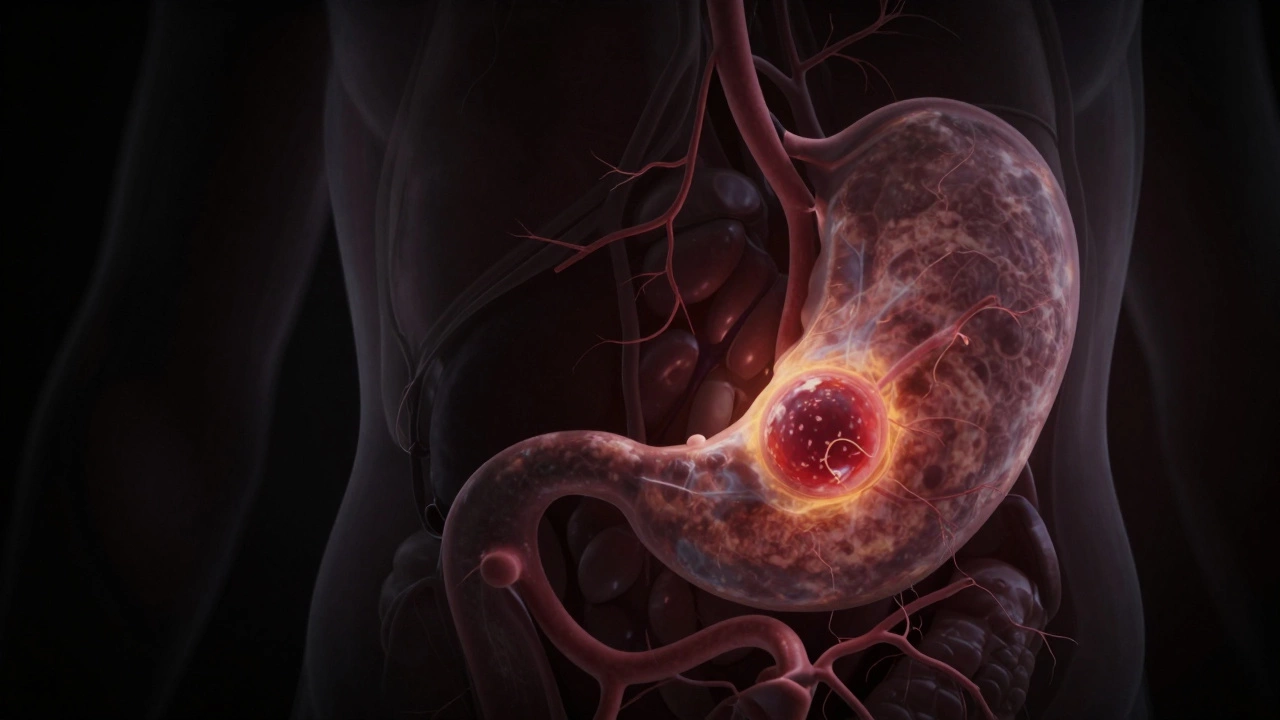
What Is the Most Feared Cancer and Why It Strikes Such Fear
•20 Mar 2026
Pancreatic cancer is the most feared cancer due to its silent progression, late diagnosis, and extremely low survival rate. Learn why it's so deadly and what steps you can take to protect yourself.

Cancers with Poor Survival Rates: Which Types Need Urgent Awareness?
•29 Jul 2025
Discover which cancers have the lowest survival rates, why they’re so dangerous, and what you need to know to spot them earlier.

Hardest Cancer to Cure: What Makes Treatment So Tough?
•29 Apr 2025
Not all cancers act the same—some are much tougher to treat than others. This article digs into which cancer is the hardest to cure and why it's so stubborn. You'll learn what makes these cancers aggressive, how doctors are fighting back, and what signs to watch for. It covers new treatment options and small things people can do right now to boost their odds. Get the details on why early detection matters and what's on the horizon.