Turmeric Dose Calculator
Turmeric Dose Calculator
This tool helps you calculate the right turmeric dose for inflammation relief based on clinical evidence from the article. Enter your details below to get personalized recommendations.
If you’ve ever dealt with joint pain, swollen knees, or that constant low-grade ache that won’t go away, you’ve probably asked: what is the #1 herb for inflammation? The answer isn’t a mystery buried in ancient texts-it’s right in your kitchen. Turmeric, specifically its active compound curcumin, is the most studied, most effective, and most widely used herb for reducing inflammation in the body today.
Why Turmeric Stands Out
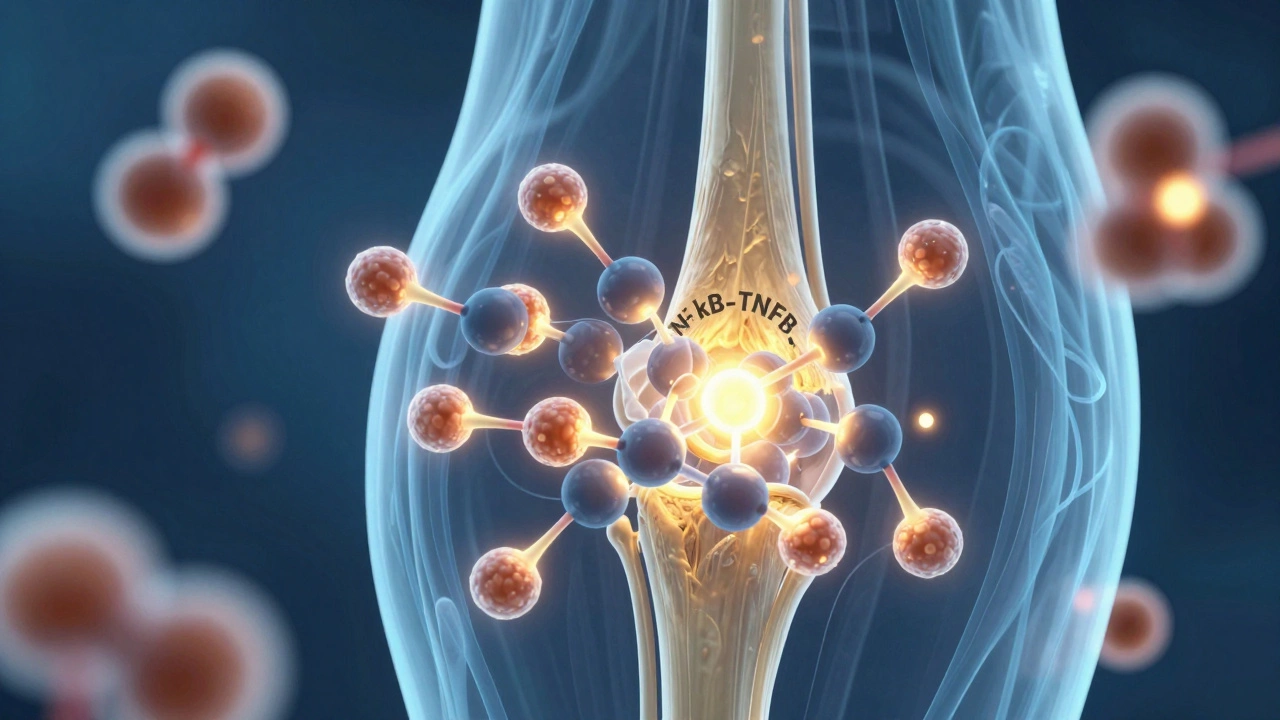
Curcumin, the bright yellow pigment in turmeric, works differently than most painkillers. While ibuprofen blocks one pathway of inflammation, curcumin shuts down multiple. Research from the University of Maryland Medical Center shows it inhibits NF-kB, a molecule that turns on inflammation genes. It also lowers levels of COX-2 and TNF-alpha-two key players in chronic inflammation.
That’s not just theory. A 2016 study published in the Journal of Medicinal Food compared 1,000 mg of curcumin to 800 mg of ibuprofen in people with knee osteoarthritis. After six weeks, both groups saw similar pain relief-but the curcumin group had no stomach upset, no risk of kidney strain, and no bleeding issues. That’s the difference between masking symptoms and calming the root cause.
How It Works in Real Life
Imagine your body is a house. Inflammation is like a fire alarm going off all the time-even when there’s no smoke. Turmeric doesn’t just silence the alarm. It fixes the wiring. People in Bangalore who use turmeric daily-whether in golden milk, curry, or capsules-report fewer morning stiffness episodes, less swelling after long walks, and better mobility after sitting for hours.
One woman in Koramangala, 58, started taking 500 mg of standardized curcumin twice a day after her doctor told her she had early-stage rheumatoid arthritis. Within three months, her C-reactive protein (a blood marker for inflammation) dropped by 42%. She still takes her meds, but she says the turmeric is what lets her walk to the market without help.
It’s Not Just About the Spice
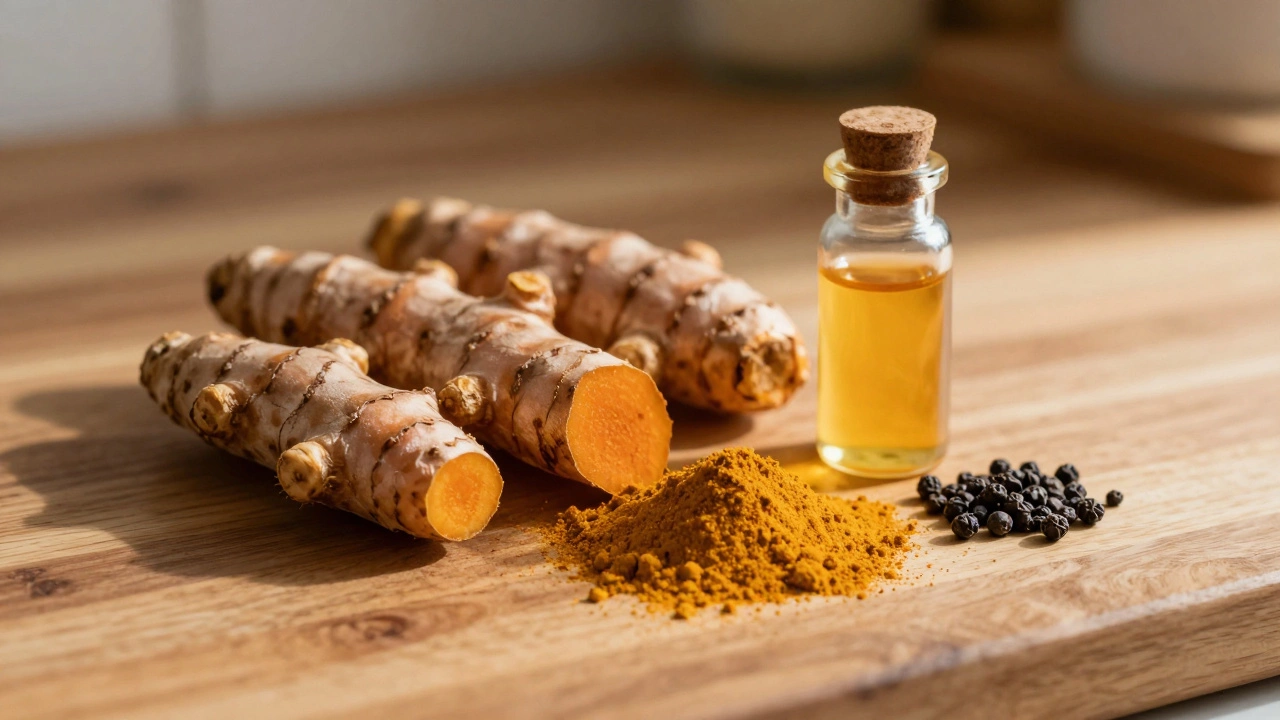
Raw turmeric powder? It’s not enough. Most commercial turmeric contains less than 3% curcumin. To get the dose used in clinical trials-500 to 1,000 mg of curcumin-you’d need to eat over a tablespoon of turmeric powder daily. That’s not practical, and your stomach won’t thank you.
That’s why supplements with standardized curcumin extract (95% curcuminoids) work better. But here’s the catch: curcumin doesn’t absorb well on its own. That’s why the best supplements include piperine-a compound from black pepper. Piperine boosts curcumin absorption by up to 2,000%. Look for formulas that list both on the label.

What About Other Herbs?
You’ve heard of ginger, boswellia, rosemary, and green tea. They all help. But they don’t match turmeric’s depth of evidence.
- Ginger reduces inflammation, but mostly in the gut and for muscle soreness. Studies show it’s good, but not as strong as curcumin for joint pain.
- Boswellia (Indian frankincense) is powerful for arthritis. One trial found it reduced knee pain as well as ibuprofen-but it’s harder to find, more expensive, and less studied long-term.
- Green tea has antioxidants, but you’d need to drink 10 cups a day to match the effect of 500 mg of curcumin.
None of these herbs have been tested in over 200 human trials like curcumin. None have been approved by the European Food Safety Authority for inflammation claims. Only turmeric has.
How to Use It Right
If you’re trying turmeric for inflammation, here’s what actually works:
- Choose a supplement with 95% curcuminoids and 5-10 mg of piperine per dose.
- Take it with food-especially fat. Curcumin dissolves in oil. A meal with nuts, avocado, or olive oil helps your body absorb it.
- Take it twice a day. Once in the morning, once in the evening. Consistency matters more than high doses.
- Give it 4-6 weeks. Inflammation doesn’t vanish overnight. Patience is part of the treatment.
Side effects? Very rare. Some people get mild stomach upset. If that happens, lower the dose or take it with more food. Pregnant women should avoid high-dose supplements-stick to culinary amounts.
Who Should Skip It?
Not everyone. If you’re on blood thinners like warfarin, turmeric can increase bleeding risk. If you have gallbladder disease, it may worsen bile flow. If you’re on acid-reducing meds, it can interfere. Always check with your doctor if you’re on prescription drugs.
Also, don’t confuse turmeric with the synthetic versions sold as “curcumin pills” without piperine or without third-party testing. Many are filler. Look for brands that show a Certificate of Analysis (COA) on their website. That’s your proof it contains what it claims.
The Bigger Picture
Inflammation isn’t just about pain. It’s linked to heart disease, diabetes, even depression. Turmeric doesn’t just help your knees-it helps your whole system. People who take it regularly report better sleep, clearer skin, and more energy. That’s not magic. That’s biology.
And it’s not new. Ayurveda has used turmeric for 4,000 years. Modern science is just catching up. You don’t need to go back to ancient practices to benefit from them. You just need the right form, the right dose, and the right expectation.
Final Answer
The #1 herb for inflammation is turmeric-specifically, its concentrated curcumin extract with black pepper. It’s backed by more human trials than any other herbal remedy. It’s affordable, safe for most people, and works where pills fail. You don’t need to take five herbs. You don’t need to spend hundreds. Just one well-made supplement, taken daily, can make a measurable difference.
Start there. Then track how you feel. Not in weeks, but in days. The body tells you when it’s healing.
Is turmeric better than ibuprofen for inflammation?
In multiple clinical trials, turmeric (curcumin) has matched ibuprofen in reducing pain and swelling from arthritis, but without the stomach damage, kidney stress, or bleeding risks. It’s not a replacement for acute injury, but for long-term, low-grade inflammation, it’s often safer and just as effective.
How long does it take for turmeric to reduce inflammation?
Most people notice improvements in joint stiffness and swelling after 4 to 6 weeks of daily use. Some feel changes in energy or digestion sooner, but inflammation reduction takes time. Don’t stop after a week. Give it a full month before judging results.
Can I just use turmeric powder from the spice rack?
Turmeric powder has only 2-5% curcumin. To match a single 500 mg supplement, you’d need to eat 10-20 grams of powder daily-that’s 2-4 teaspoons. That’s too much for your stomach and won’t be absorbed well without black pepper and fat. Supplements are far more reliable.
Does turmeric help with back pain?
Yes. Studies on chronic lower back pain show curcumin reduces inflammation in spinal tissues and nerve-related discomfort. It’s especially helpful for pain caused by degenerative disc disease or muscle inflammation-not acute injuries from trauma.
Can I take turmeric with other supplements?
Generally yes. Turmeric works well with omega-3s, vitamin D, and magnesium-all of which also help reduce inflammation. Avoid combining it with blood thinners or medications that reduce stomach acid unless your doctor approves.