Pancreatic Cancer Risk Assessment Tool
Personal Risk Assessment
This tool estimates your pancreatic cancer risk based on factors discussed in the article. It is not a medical diagnosis but can help raise awareness about important warning signs.
Your Risk Assessment
Pancreatic cancer is feared due to its silent progression, low survival rates (12% 5-year survival), and lack of early detection methods. Early diagnosis significantly improves outcomes - patients diagnosed in stage I have a 40% chance of 5-year survival.
Key Risk Factors
- Age over 50
- Family history
- Smoking
- New-onset diabetes
- Obesity
Note: This is a preliminary risk assessment based on common risk factors. It does not replace professional medical evaluation. Consult a healthcare provider about your specific situation.
When people hear the word cancer, their minds often go to one specific type - the one that comes with the quietest warning signs, the lowest survival rates, and the most brutal progression. It’s not breast cancer. Not lung cancer. Not even prostate cancer. The most feared cancer is pancreatic cancer.
Why Pancreatic Cancer Terrifies Doctors and Patients Alike
Pancreatic cancer doesn’t shout. It doesn’t cause pain in the early stages. There’s no routine screening test like a mammogram or a colonoscopy. By the time symptoms show up - a dull ache in the upper belly, unexplained weight loss, yellowing skin, or new-onset diabetes - the cancer has often spread beyond the pancreas. About 80% of cases are diagnosed at a late stage, when surgery is no longer an option.
The five-year survival rate? Just 12%. That’s lower than almost every other major cancer. For comparison, breast cancer has a 91% five-year survival rate. Even lung cancer, which kills more people overall, has a 23% survival rate. Pancreatic cancer doesn’t just kill - it kills fast. Half of all patients die within six months of diagnosis.
The Silent Aggressor: How It Spreads So Quickly
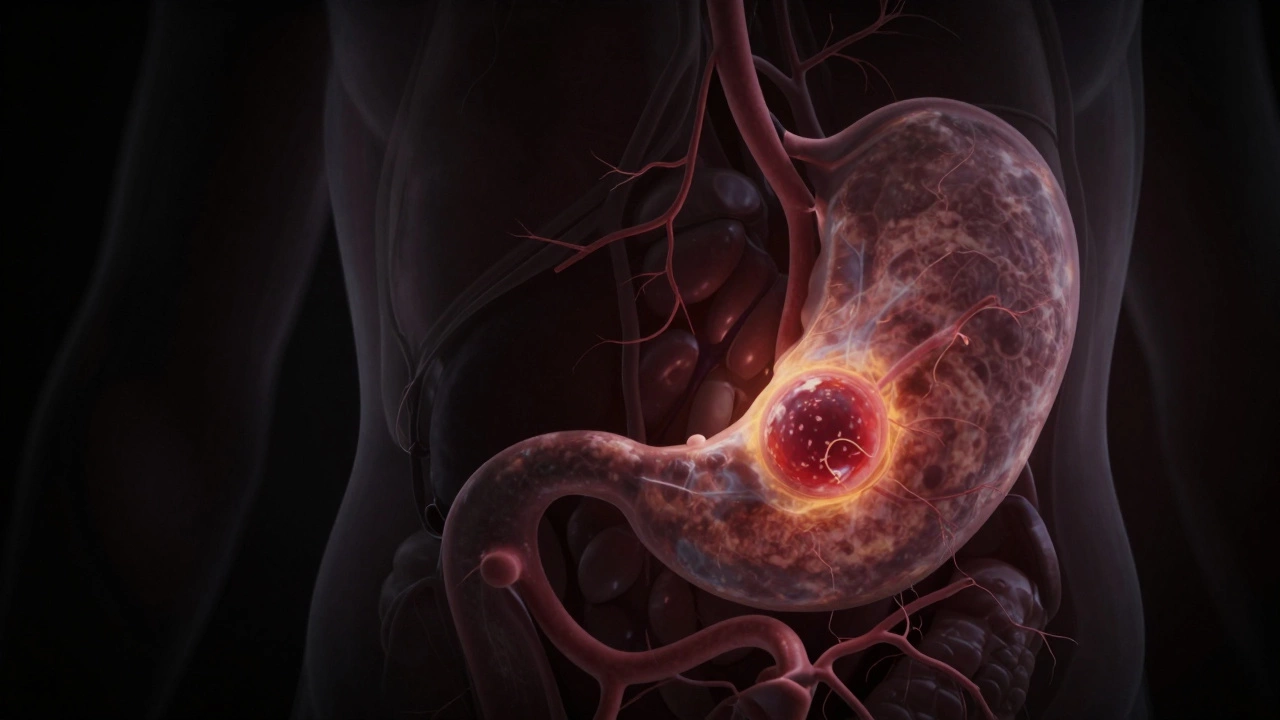
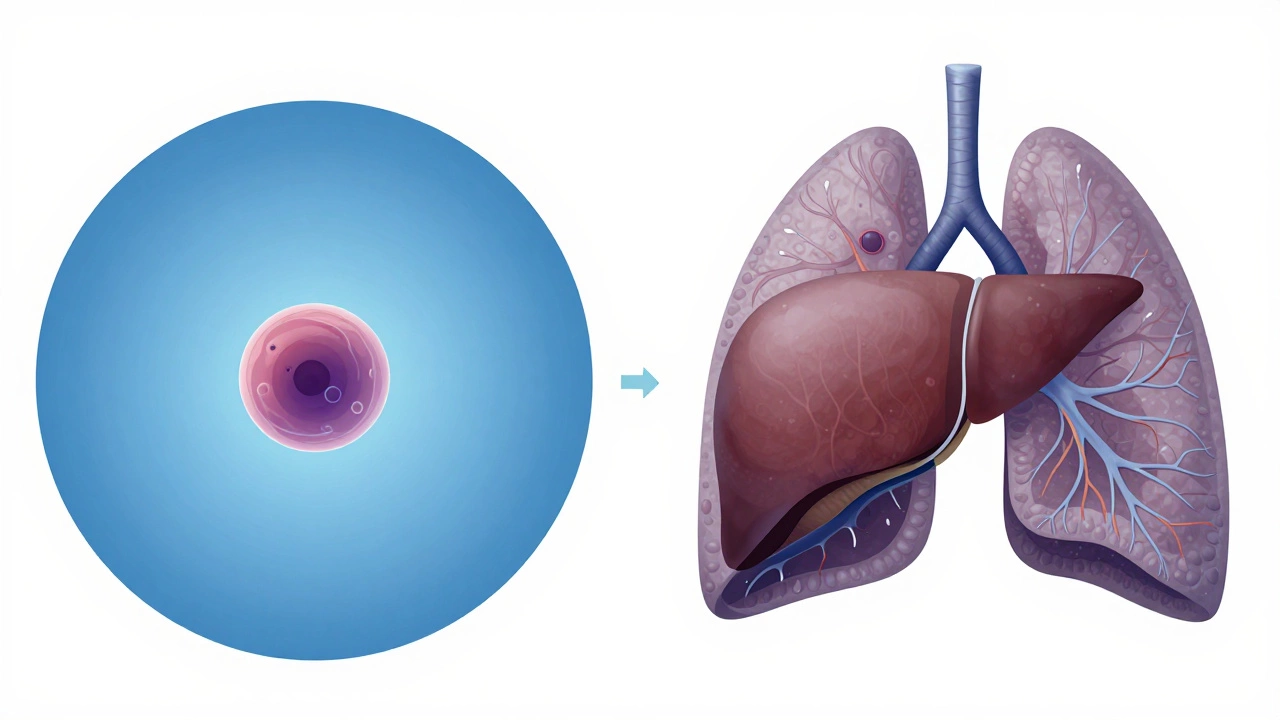
The pancreas sits deep in the abdomen, tucked behind the stomach. It’s surrounded by major blood vessels, the liver, and the intestines. This makes it a perfect hiding spot. A small tumor can grow for months without pressing on anything that causes noticeable pain. When it does spread, it doesn’t crawl - it leaps. Pancreatic cancer cells are aggressive. They invade nearby organs, travel through the bloodstream, and seed tumors in the liver and lungs before most people even realize something’s wrong.
Unlike some cancers that respond well to chemotherapy or immunotherapy, pancreatic tumors are surrounded by dense scar tissue. This acts like a shield, blocking drugs from reaching the cancer cells. That’s why even advanced treatments often fail. Clinical trials are ongoing, but progress has been painfully slow.
Who’s at Risk? The Real Warning Signs
It’s not just older adults. While most cases happen after age 65, pancreatic cancer is rising in younger people - especially those with new-onset diabetes after age 50. If you’ve never had blood sugar issues and suddenly start needing insulin, that could be a red flag.
Other high-risk groups:
- People with a family history of pancreatic cancer
- Those with inherited gene mutations like BRCA1, BRCA2, or Lynch syndrome
- Chronic pancreatitis sufferers
- Long-term smokers
- People with obesity or a sedentary lifestyle
Even if you don’t fit any of these categories, pay attention to subtle changes. Unexplained back pain. Loss of appetite. Dark urine. Light-colored stools. These aren’t normal aging signs - they’re signals your body is screaming about something serious.
Why Other Cancers Don’t Carry the Same Fear
Many cancers have made huge strides. Breast cancer has early detection, targeted therapies, and survivor communities. Colorectal cancer can often be prevented with colonoscopies. Even leukemia has seen dramatic improvements thanks to bone marrow transplants and CAR-T cell therapy.
Pancreatic cancer has none of that. No early test. No miracle drug. No celebrity fundraisers. It doesn’t get the attention because it doesn’t have a visible face. There’s no pink ribbon for pancreatic cancer. No walks in the park. No viral social media campaigns. It’s the cancer no one talks about - until it’s too late.
What’s Being Done? The Glimmers of Hope
Scientists aren’t giving up. Researchers at institutions like the Mayo Clinic and the National Cancer Institute are working on liquid biopsies - blood tests that could detect pancreatic cancer before symptoms appear. Early trials show promise in spotting tumor DNA in the bloodstream months before imaging can find anything.
Some hospitals now offer genetic testing for high-risk families. If you have a close relative who died of pancreatic cancer, ask your doctor about genetic counseling. It could save your life.
Immunotherapy is starting to work for a small subset of patients - those with specific DNA repair mutations. And new drugs like nab-paclitaxel and gemcitabine are extending life for some by months, sometimes over a year.
But none of this changes the brutal truth: early detection is still the only real hope.
What You Can Do Right Now
You can’t change your genes. You can’t undo years of smoking. But you can change what you pay attention to.
- If you’re over 50 and have unexplained weight loss or new diabetes, get your pancreas checked - even if your doctor says it’s "just stress."
- If you smoke, quit. Smoking doubles your risk.
- If you’re overweight, lose weight. Obesity increases risk by 20%.
- If you have a family history, talk to a genetic counselor. Testing can identify risk before cancer starts.
There’s no vaccine. No magic pill. But awareness saves lives. The earlier pancreatic cancer is caught - even just a few months earlier - survival rates jump dramatically. Some patients diagnosed in stage one have a 40% chance of living five years or more. That’s not a cure, but it’s a fighting chance.
Why This Fear Isn’t Just Emotional - It’s Statistical
By 2030, pancreatic cancer is expected to become the second-leading cause of cancer death in the U.S., behind only lung cancer. In India, where access to advanced diagnostics is still limited, the numbers are likely worse. Many cases are never even diagnosed - patients are told they have "indigestion" or "liver problems" and die within months.
This isn’t about fearmongering. It’s about facts. Pancreatic cancer is feared because it’s silent, fast, and stubborn. But knowledge is power. The more people understand its warning signs, the more lives can be saved.
Is pancreatic cancer always fatal?
No, but it’s one of the deadliest. If caught very early - before it spreads - surgery can remove the tumor, and some patients live for years. About 20% of patients are diagnosed early enough for surgery. Of those, roughly half survive five years. But since most cases are found late, the overall survival rate stays very low.
Can pancreatic cancer be prevented?
You can’t prevent it completely, but you can lower your risk. Stop smoking, maintain a healthy weight, limit alcohol, and eat more vegetables and whole grains. Avoid processed meats and sugary drinks. If you have a family history, genetic testing can guide your next steps.
Are there any screening tests for pancreatic cancer?
Not for the general public. Routine scans like CT or MRI aren’t recommended unless you’re high-risk - like having a close relative with pancreatic cancer or a known genetic mutation. Researchers are working on blood tests that detect tumor DNA, but they’re still in trials. If you’re at risk, ask your doctor about surveillance programs.
Why is pancreatic cancer harder to treat than other cancers?
Its location makes surgery difficult, and the tumors are surrounded by thick scar tissue that blocks chemotherapy. Plus, pancreatic cancer cells mutate quickly, making them resistant to drugs. Unlike breast or lung cancers, there are few targeted therapies. Immunotherapy rarely works here. That’s why treatment options are limited.
Does diet cause pancreatic cancer?
Diet doesn’t directly cause it, but it plays a role. High-fat diets, processed meats, and sugary drinks are linked to higher risk. Obesity increases chances by about 20%. On the flip side, diets rich in fruits, vegetables, and fiber may lower risk. It’s not a guarantee, but it helps reduce your overall cancer risk.
What Comes Next?
Pancreatic cancer won’t disappear overnight. But awareness is growing. More hospitals in India and elsewhere are starting high-risk screening clinics. More researchers are focusing on early detection. More families are sharing their stories - not to scare, but to warn.
If you know someone who’s been diagnosed, don’t wait for symptoms. Ask questions. Push for tests. Demand second opinions. If you’re over 50 and have unexplained symptoms, don’t brush them off. Your life might depend on it.