Telehealth Prescription Eligibility Checker
Can I get this medication online?
Select a category or type of medication to see the general likelihood of a virtual prescription.Select a category to see the result
The Reality of Virtual Prescriptions
Ever wondered if you can actually get a prescription for your chronic migraines or a sudden skin rash without stepping foot in a clinic? Most people assume online prescriptions are limited to basic things like antibiotics or birth control, but the scope of telehealth has exploded. The short answer is: yes, virtual doctors can prescribe a huge variety of medications, but there are strict boundaries based on safety, law, and the specific type of drug.
Think of a telehealth appointment as a filtered version of a traditional visit. While a doctor can't listen to your lungs or feel your abdomen, they can use high-resolution photos and detailed medical histories to make a diagnosis. However, they won't just hand out any pill. Certain medications are flagged as "high-risk," meaning they require a physical exam or a blood test before a script can be issued.
| Category | Common Medications | Typical Requirement |
|---|---|---|
| Dermatology | Tretinoin, Hydrocortisone | Clear photos of the affected area |
| Mental Health | Sertraline, Escitalopram | Comprehensive psychological screening |
| Sexual Health | Sildenafil, Oral Contraceptives | Medical history review |
| Acute Care | Amoxicillin, Azithromycin | Symptom check and allergy screen |
The Green Light: What You Can Usually Get
For most routine health issues, virtual care is a breeze. If you're dealing with a sinus infection or a UTI, a doctor can often prescribe antibiotics after a quick video call. They'll ask about your fever, the color of your mucus, or the frequency of your bathroom trips to determine the right dose. These are "acute" medications-they solve a temporary problem and have a predictable path of treatment.
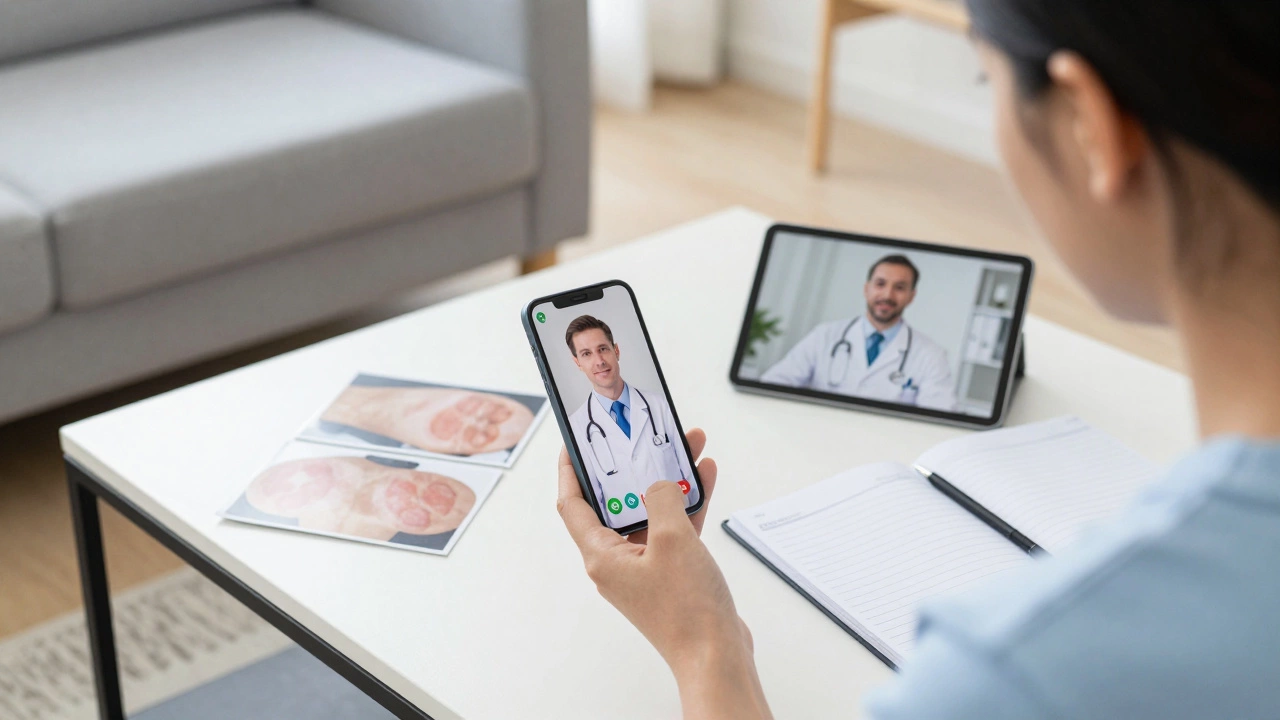
Then there's the world of Dermatology is the branch of medicine focused on the skin, hair, and nails. Many people use online services for acne or eczema. Since these conditions are visible, a doctor can look at a photo you uploaded and prescribe a topical steroid or a retinoid without needing to touch your skin. It's one of the most efficient uses of telehealth today.
Chronic condition management is also moving online. If you've already been diagnosed with Hypertension is a condition where the force of the blood against the artery walls is too high and you have a home monitor to track your blood pressure, a virtual doctor can easily refill your ACE inhibitors or beta-blockers. They just need your latest readings to ensure the medication is working and not causing side effects.
The Red Light: What Online Doctors Won't Prescribe
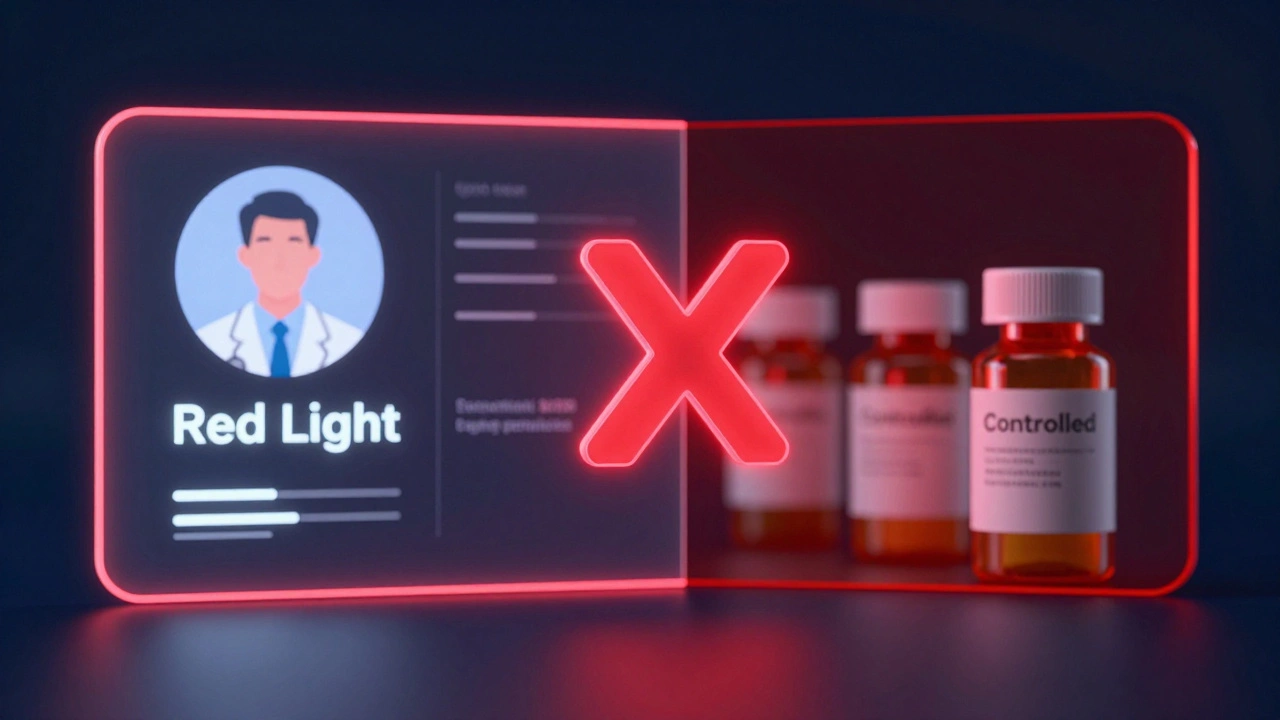
You can't get everything through a screen. The biggest "no-go" zone is Controlled Substances are drugs regulated by the government due to their potential for abuse or addiction. This includes opioids for pain, benzodiazepines for anxiety, and stimulants like Adderall for ADHD. Because of the high risk of misuse and the strict requirements of the DEA is the Drug Enforcement Administration, the US agency responsible for combating drug abuse, most telehealth platforms simply won't touch these.
Why the restriction? Because a virtual doctor can't perform a physical drug screen or a full neurological exam. If you're asking for a potent painkiller, a doctor needs to ensure you aren't exhibiting signs of dependency or hiding other medical issues that a screen simply can't reveal. If you need these medications, you'll almost always need an in-person visit for the initial diagnosis and first prescription.
Certain "high-alert" medications are also off-limits. For example, if you're looking for strong blood thinners or certain high-dose antipsychotics, a doctor will likely insist on a physical appointment. These drugs require baseline blood work-like checking your kidney function or liver enzymes-to make sure the dose doesn't actually harm you. You can't draw blood through a webcam, so you're heading to the clinic.
How the Process Actually Works
If you've never used a Telehealth is the distribution of health-related services and information via electronic information and communication technologies platform, the workflow is pretty straightforward. First, you fill out a digital intake form. This isn't just paperwork; it's the doctor's primary tool for safety. They'll look for drug-drug interactions and pre-existing conditions.
Next comes the consultation. This could be a text-based chat, a phone call, or a live video session. The doctor will ask specific, targeted questions to rule out more serious causes for your symptoms. If they decide a medication is appropriate, they don't give you a paper slip. They send an electronic prescription (e-prescribing) directly to your chosen pharmacy.
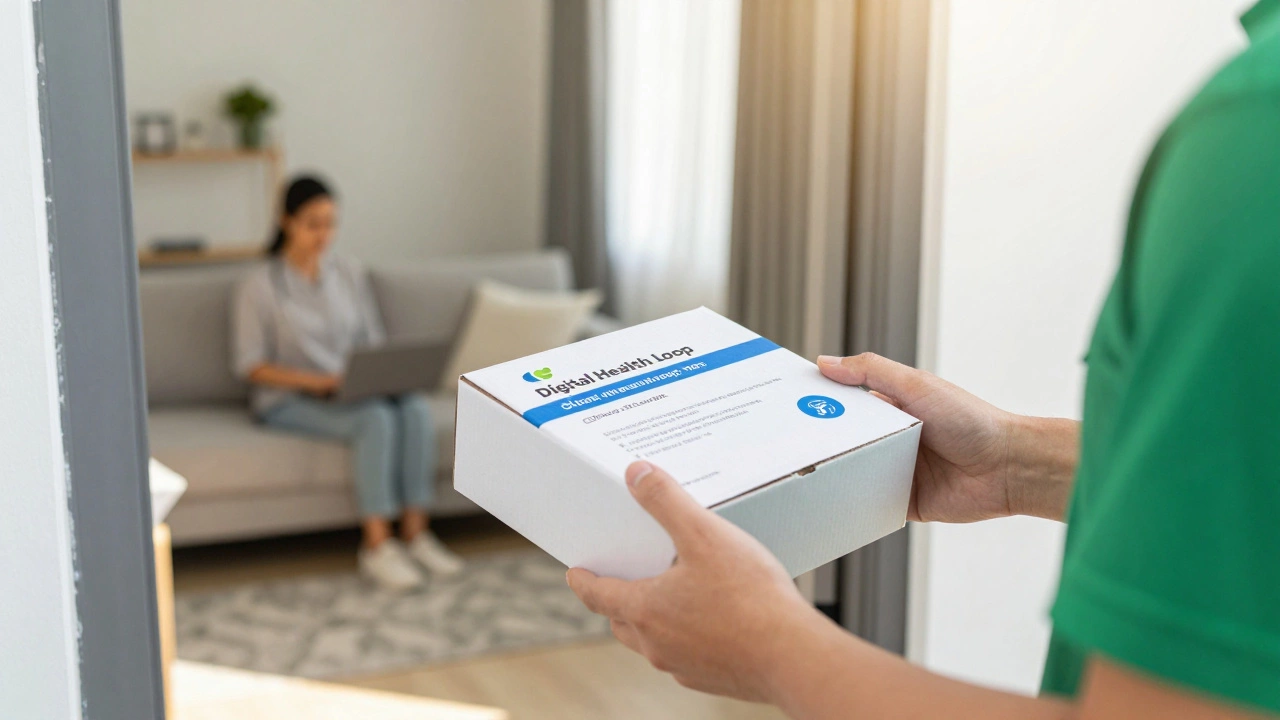
Many people pair this with an Online Pharmacy is a pharmacy that allows customers to order medications via the internet. This means the entire loop-from the first symptom to the pill arriving at your door-happens without you ever leaving your house. It's incredibly convenient, but you have to be careful to ensure the pharmacy is accredited to avoid counterfeit meds.
Comparing Traditional vs. Online Prescribing
Is online prescribing always better? Not necessarily. It's a trade-off between convenience and depth. In a traditional office, the doctor can perform a "hands-on" exam, which is vital for diagnosing things like abdominal pain or complex heart issues. In a virtual setting, the doctor relies on your self-reporting, which can sometimes be inaccurate if you aren't sure how to describe a symptom.
However, for simple, recurring needs, the online route wins. Imagine having to take a half-day off work and sit in a waiting room for two hours just to get a refill for your blood pressure meds. That's a waste of time. Telehealth removes that friction. The key is knowing when a "quick fix" via an app is enough and when you actually need a stethoscope on your chest.
Safety Tips and Pitfalls to Avoid
One of the biggest risks with virtual care is the "prescription mill." These are low-quality sites that promise medication without a real consultation. If a website says, "Get your meds in 5 minutes with no doctor visit," run away. A real prescription requires a clinical assessment. If there's no actual medical conversation, they aren't prescribing; they're just selling drugs, which is illegal and dangerous.
Another pitfall is the lack of integrated records. If you use a random online app for your skin and a different one for your anxiety, your primary care doctor might not know what you're taking. This can lead to dangerous interactions. Always keep a manual list of your medications and share it with every provider you see, whether they're in a physical office or on a screen.
Lastly, be mindful of your insurance. Not all plans cover telehealth prescriptions the same way they do in-person visits. Some might require a specific platform, while others might have a higher co-pay for virtual care. Check your coverage before you book the appointment so you don't get a surprise bill in the mail.
Can an online doctor prescribe antibiotics?
Yes, online doctors can prescribe antibiotics for common infections like UTIs, sinus infections, or certain types of skin infections. However, they will usually require a detailed description of your symptoms and may ask for photos (in the case of skin issues) to ensure the antibiotic is the correct choice for your specific condition.
Can I get Xanax or Adderall online?
Generally, no. Medications like Xanax (benzodiazepines) and Adderall (stimulants) are classified as controlled substances. Due to the risk of dependency and strict DEA regulations, most legitimate telehealth providers will not prescribe these. You typically need an in-person evaluation for the initial diagnosis and prescription of controlled substances.
How do I know if an online prescription service is legitimate?
A legitimate service will always require a consultation with a licensed healthcare provider before prescribing. Be wary of any site that offers medications without a doctor's review or asks for payment upfront before you've spoken to a professional. Check for accreditation marks and ensure the pharmacy they use is licensed in your state or country.
Can online doctors handle long-term prescriptions?
Yes, they can manage chronic conditions like hypertension or high cholesterol, provided you have a way to monitor your vitals (like a home blood pressure cuff) and you've had an initial diagnosis from a physician. They can provide refills and adjust dosages based on the data you provide during your virtual check-ups.
Will my insurance cover a prescription from a virtual doctor?
In most cases, yes, but it depends on your specific plan. Many insurance providers now have partnerships with specific telehealth platforms. It's best to check your provider's directory or call your insurance company to see which virtual platforms are in-network to avoid out-of-pocket costs.
Next Steps for Your Health Journey
If you're considering a virtual visit, start by gathering your current medication list and any recent lab results. This makes the doctor's job much easier and the appointment faster. If you're treating a skin issue, take clear photos in natural light-blurry, dark photos often lead to the doctor asking you to come in person anyway.
For those with complex needs, use telehealth as a supplement, not a replacement. Get your baseline exams and blood work done at a physical clinic once a year, then use online doctors for the convenience of refills and minor acute issues. This hybrid approach gives you the best of both worlds: the safety of an in-person exam and the speed of a digital prescription.