Ashwagandha Dosage Calculator
Find Your Optimal Ashwagandha Dosage
Based on your health goals and needs, we'll calculate the most effective dosage and timing for you.
How long until you see results:
0-4 weeks
When you ask anyone in the wellness world about the most powerful plant in traditional Indian medicine, one name usually rises to the top. It is not the golden spice in your kitchen, nor is it the holy basil growing in your garden. While those plants hold immense respect, the title of the Ashwagandha is widely recognized as the king of Ayurveda. This designation isn't just marketing hype; it stems from centuries of clinical observation recorded in ancient texts like the Charaka Samhita. If you are looking to understand why this specific root commands such reverence, you need to look beyond the label and into the science of how it interacts with the human body.
Many people assume the title comes from its popularity alone. However, the crown sits on Ashwagandha because of its unique ability to balance the body's response to stress. In the modern world, where cortisol levels are sky-high, this herb acts as a biological stabilizer. It does not simply sedate you like a sleeping pill, nor does it stimulate you like caffeine. Instead, it brings your system back to equilibrium. This adaptogenic quality is rare and explains why it has survived thousands of years of medical evolution while other remedies have faded into obscurity.
The Botanical Identity of the King
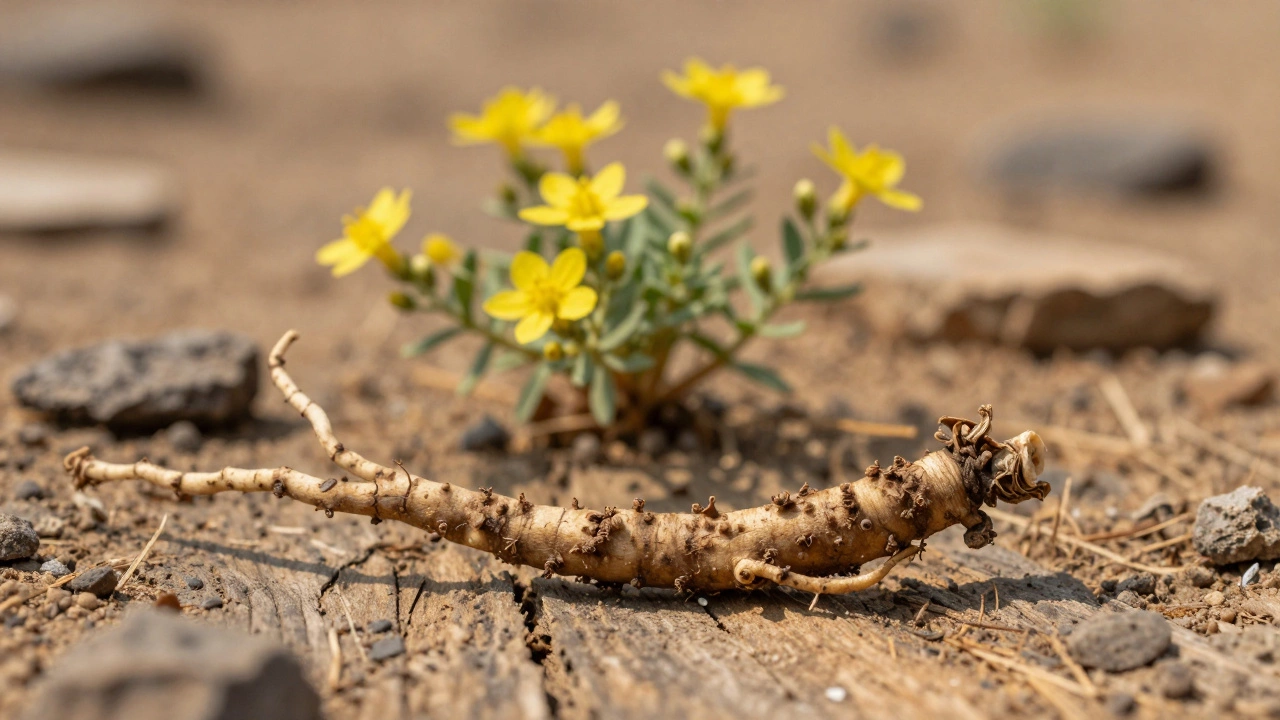
To truly understand the power of this herb, you must first identify what you are actually using. The scientific name is Withania somnifera, which is a small shrub with yellow flowers belonging to the nightshade family. The Sanskrit name "Ashwa" means horse and "Gandha" means smell. The legend suggests that consuming this herb grants the strength and vitality of a stallion. While you won't literally turn into a horse, the energy boost is real.
In traditional practice, the root is the most potent part of the plant. The leaves are used for topical applications or tea, but the root contains the highest concentration of active compounds. These compounds are called withanolides. They are the chemical signature that distinguishes high-quality supplements from cheap fillers. When you buy a product, the concentration of withanolides determines the efficacy. A standard extract usually aims for 2.5% to 5% withanolide content. Anything lower might be just dirt and stem with little therapeutic value.
The plant thrives in dry, rocky soils across India and parts of Africa. Its resilience in harsh environments mirrors its effect on the human body. Just as the shrub withstands drought and heat, the herb helps the body withstand physical and mental stress. This connection between the environment and the medicine is a core principle of Ayurvedic philosophy. The medicine grows where it is needed most.
Why It Holds the Crown
The primary reason Ashwagandha wears the crown is its classification as a Rasayana. In Ayurveda, Rasayana refers to rejuvenating therapies that promote longevity and vitality. Most herbs treat specific symptoms, like a headache or a fever. Ashwagandha treats the root cause of many chronic issues: depletion. When your energy reserves are empty, you become susceptible to infection, anxiety, and fatigue. This herb refills those reserves.
Modern research has validated this ancient claim. Studies have shown that regular consumption can significantly lower cortisol levels. Cortisol is the stress hormone that, when chronically elevated, leads to weight gain, poor sleep, and brain fog. By regulating this hormone, the herb indirectly improves sleep quality and mental clarity. It is not a stimulant that masks exhaustion; it is a restorative that addresses the fatigue at the cellular level.
Beyond stress, the herb impacts physical performance. Athletes often use it to increase muscle mass and strength. The mechanism involves improving recovery time and reducing inflammation in muscle tissue. If you lift weights or run regularly, you know that recovery is just as important as the workout. Ashwagandha shortens the recovery window, allowing you to train harder and more consistently. This dual benefit for mind and body is why it outshines other herbs that focus on just one system.
How to Use It Effectively
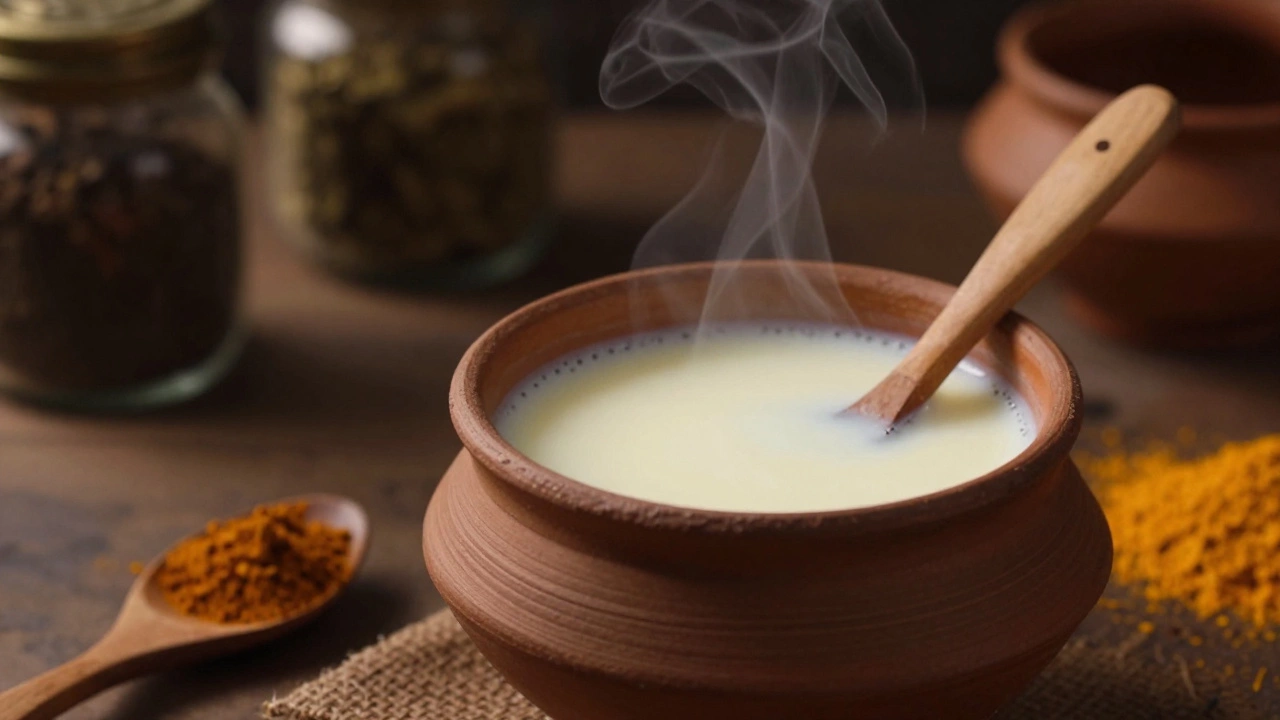
Knowing the herb is useless if you do not know how to consume it. Traditional methods often yield better results than isolated extracts because the whole plant matrix works synergistically. The most common traditional preparation is Churna, or powder. You can mix one teaspoon of the root powder with warm milk and a pinch of turmeric before bed. This combination enhances absorption and promotes deep sleep.
For those who prefer convenience, capsules are available. However, you must check the label for the source of the extract. Root extract is superior to leaf extract for stress and vitality. Some manufacturers blend the two, but for the "king" effect, prioritize the root. A standard dosage ranges from 300mg to 600mg of root extract daily. It is important to start low and increase gradually. Your body needs time to adapt to the active compounds.
Timing matters as much as dosage. Taking it in the morning can help manage stress throughout the day. Taking it at night helps with sleep and recovery. Many people split the dose, taking half in the morning and half in the evening. This maintains steady levels of the active compounds in your bloodstream. Consistency is key. Unlike painkillers that work in minutes, Ashwagandha builds up over weeks. You typically need to take it for at least 4 to 8 weeks to notice significant changes in energy and mood.
| Method | Absorption Speed | Best For | Taste Profile |
|---|---|---|---|
| Root Powder | Slow | Long-term rejuvenation | Earthy, bitter |
| Capsules | Medium | Convenience | None |
| Ghee Infused | High | Nervous system support | Buttery, mild |
| Tea | Fast | Immediate relaxation | Herbal, grassy |
Contenders for the Throne
While Ashwagandha holds the title, other herbs in the Ayurvedic kingdom deserve respect. Turmeric is often called the golden spice of life. It is a potent anti-inflammatory and antioxidant. If Ashwagandha is the king of vitality, Turmeric is the queen of healing. It is essential for joint health and reducing systemic inflammation. You will rarely find a traditional kitchen without it, yet its primary role is different from the adaptogenic role of Ashwagandha.
Then there is Tulsi, or Holy Basil. It is revered as the Queen of Herbs. Tulsi is excellent for respiratory health and immunity. It acts as a quick adaptogen for acute stress. If you catch a cold or feel a sudden spike in anxiety, Tulsi tea provides immediate relief. However, it lacks the deep, long-term rejuvenating properties that Ashwagandha offers for chronic fatigue.
Guduchi, also known as Giloy, is another strong contender. It is often called the Amrita Kalpa, meaning the nectar of immortality. Guduchi is the champion of the immune system. It helps the body fight infections and regulates blood sugar levels. In recent years, it has gained massive popularity for immunity boosting. Yet, for overall vitality and stress management, Ashwagandha remains the top choice. Each herb has a specific domain, but Ashwagandha's domain covers the most ground for the average person.
Safety and Who Should Avoid It
No herb is safe for everyone, and Ashwagandha is no exception. While it is generally well-tolerated, certain groups should exercise caution. Pregnant women should avoid it because it can stimulate uterine contractions. The herb is known to be abortifacient in high doses, so safety first is the rule here. If you are breastfeeding, consult a practitioner before adding it to your routine.
People with autoimmune diseases need to be careful. Ashwagandha stimulates the immune system. If you have conditions like lupus, rheumatoid arthritis, or Hashimoto's thyroiditis, stimulating the immune system can flare up symptoms. It can also interact with medications for thyroid disorders, diabetes, and blood pressure. Since it lowers blood sugar and blood pressure, combining it with prescription drugs for these conditions requires medical supervision.
Another consideration is the quality of the soil where the herb is grown. Heavy metals like lead and arsenic can accumulate in the roots. Always buy from reputable brands that test for contaminants. Third-party testing is not optional; it is necessary. Look for certifications like USDA Organic or GMP certified facilities. This ensures you are getting medicine, not pollution.

Sourcing Quality in 2026
By 2026, the market is flooded with supplements, and quality varies wildly. When you walk into a store or browse online, look for specific markers. The label should state "KSM-66" or "Sensoril" if it is a patented extract. These are standardized forms that guarantee potency. If the label just says "Ashwagandha Root" without specifying the extract ratio, it might be inconsistent.
Organic certification is crucial because the root absorbs everything from the soil. Conventional farming often uses pesticides that linger in the root system. Since you are taking the root, you want to ensure it is clean. Indian brands often have the edge here because the herb is native to the region. However, verify the testing reports. Transparency is the new currency in the supplement industry.
Price is also an indicator. Real Ashwagandha root is labor-intensive to harvest and process. If a bottle of 100 capsules costs less than the price of a cup of coffee, be skeptical. It is likely diluted with fillers like rice flour or maltodextrin. Invest in quality. Your health is the asset you are managing, and cheap inputs yield cheap results.
Integrating Into Your Routine
Adding this herb to your life should be a gradual process. Do not expect overnight miracles. Start with a low dose in the evening to see how your body reacts. Monitor your sleep quality and morning energy levels. Keep a simple journal. Note any changes in digestion or mood. This data helps you decide if the herb is right for you.
Combine it with lifestyle changes for the best effect. The herb supports your body, but it cannot fix a broken lifestyle. If you stay up until 3 AM and eat processed food, the herb will struggle to compensate. Use it as a tool to enhance good habits, not to mask bad ones. Pair it with yoga, meditation, or regular exercise. The synergy between the herb and a healthy routine creates the true "king" effect.
Remember, Ayurveda is a holistic system. The herb is just one piece of the puzzle. Diet, sleep, and mental state matter just as much. Ashwagandha works best when you respect the whole system. It is a partner in your health journey, not a magic wand. Treat it with the respect it deserves, and it will reward you with vitality.
Can I take Ashwagandha every day?
Yes, it is designed for daily use. However, it is often recommended to take breaks, such as cycling it for 3 months on and 1 month off, to prevent your body from building tolerance. Always consult a doctor for long-term use.
Does Ashwagandha cause weight gain?
It can help with weight gain in underweight individuals by improving appetite and metabolism. For others, it may aid weight loss by reducing stress-related cortisol, which often leads to belly fat storage. Results vary by individual.
Is Ashwagandha safe for thyroid issues?
It can increase thyroid hormone production. If you have hypothyroidism, this might be beneficial, but if you have hyperthyroidism, it could worsen the condition. Medical supervision is required if you are on thyroid medication.
What is the best time to take Ashwagandha?
Morning is good for stress management and energy. Evening is better for sleep and recovery. Consistency is more important than the specific time. Choose a time you can stick to daily.
Can I mix Ashwagandha with other herbs?
Yes, it pairs well with Turmeric and Tulsi. However, avoid mixing it with other sedatives or blood pressure medications without consulting a healthcare provider to prevent interactions.