
IVF Eligibility Checker
Check if you meet key criteria for IVF treatment based on medical, age, and legal factors. This tool is designed to help you understand eligibility based on current medical guidelines.
Not everyone who wants a baby through IVF can get it. While IVF has helped millions of couples worldwide, there are clear medical and biological reasons why some people are told they’re not eligible. It’s not about money, location, or even how badly you want a child. It’s about science, safety, and realistic chances of success. If you’ve been told you don’t qualify, it’s not a rejection-it’s a redirect.
Age is the biggest factor
Women over 45 are rarely offered IVF using their own eggs. Why? Because egg quality drops sharply after 35, and by 45, the chance of a live birth using your own eggs is less than 1%. Many clinics set an upper age limit of 42-45 for IVF with autologous eggs. Some may allow it up to 50, but only with donor eggs. The body doesn’t stop ovulating overnight, but the eggs left in the ovaries after 40 are often chromosomally abnormal. That means higher miscarriage rates, higher risk of Down syndrome, and lower implantation chances. Clinics won’t risk a woman going through months of painful treatments only to face heartbreak or dangerous pregnancy complications.
Severe medical conditions that make pregnancy unsafe
IVF isn’t just about making an embryo. It’s about carrying it to term. If you have serious heart disease, uncontrolled hypertension, severe kidney failure, or active cancer, pregnancy can be life-threatening. A woman with a history of pulmonary hypertension, for example, has a 50% chance of dying during pregnancy. No clinic will put someone through IVF if carrying a baby could kill them. Even conditions like uncontrolled Type 1 diabetes or severe lupus can disqualify someone unless they’ve been stable for years under specialist care.
Active infections that can be passed to the embryo or baby
HIV, hepatitis B, and hepatitis C used to be automatic disqualifiers. Today, with modern sperm washing and antiviral treatments, HIV-positive men can father children safely. But active, untreated infections still matter. If you have untreated syphilis, gonorrhea, or chlamydia, IVF won’t be offered until you’re cured. These infections can cause pelvic scarring, damage the fallopian tubes, or even infect the embryo during retrieval. Clinics test for these before starting any cycle. If you’re positive, treatment comes first-then IVF.
Severe uterine abnormalities that prevent implantation
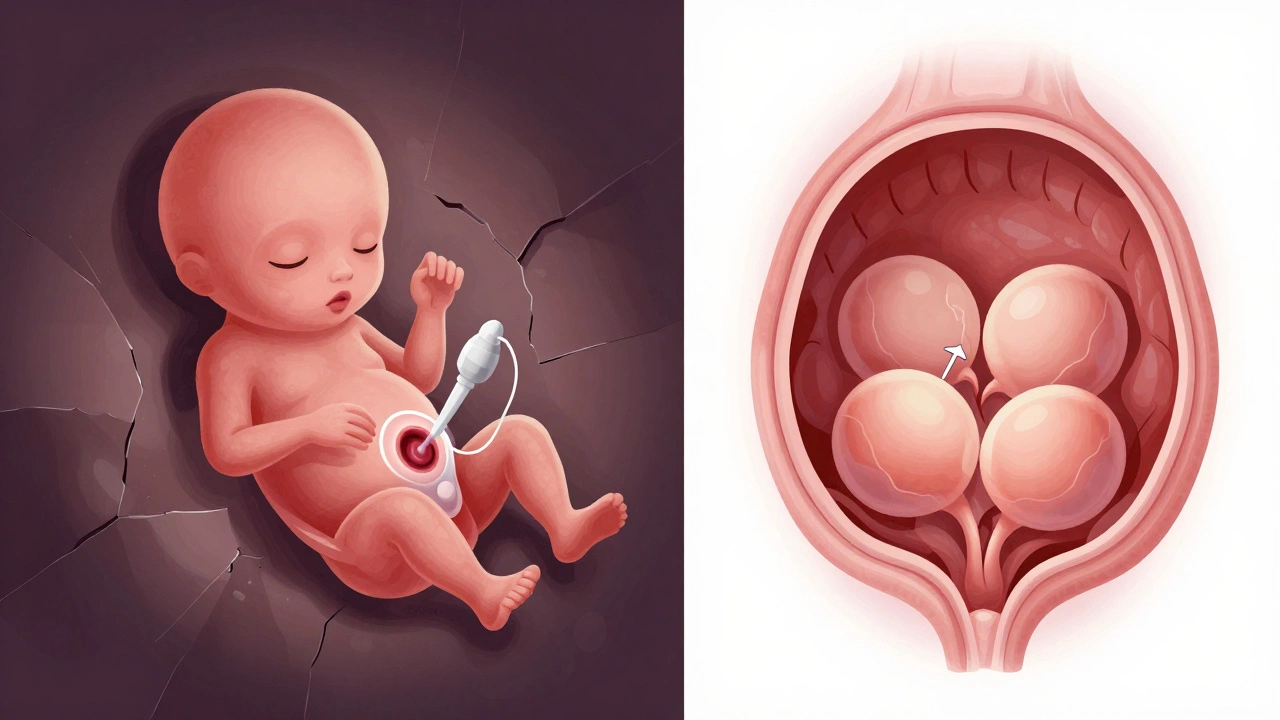
A uterus needs to be able to hold and nourish a growing baby. If you have a congenital malformation like a septate uterus, severe Asherman’s syndrome (scar tissue inside the womb), or a uterus that’s been removed due to cancer or hemorrhage, IVF alone won’t work. You can still make embryos, but they won’t implant. In these cases, surrogacy is the only path forward. Some clinics may offer experimental treatments like uterine transplants, but those are rare, expensive, and still considered high-risk.
Psychological unpreparedness or lack of support
IVF isn’t just physical. It’s emotionally brutal. Repeated cycles, hormone swings, failed transfers, and financial strain can trigger depression, anxiety, or even trauma. Many clinics require a psychological evaluation before starting. If someone is in the middle of a severe mental health crisis-say, untreated bipolar disorder or active suicidal ideation-they won’t be cleared for treatment. This isn’t about being "too emotional." It’s about ensuring you can handle the process without harming yourself or your future child. Support systems matter too. If you’re alone, with no partner or family to help during appointments or recovery, clinics may delay treatment until you build that safety net.
Legal and ethical limits in your country
In India, IVF is allowed for married heterosexual couples only. Single women and same-sex couples are not eligible under current guidelines. While some private clinics may offer services to single women (using donor sperm), they operate in a legal gray zone. Same-sex couples have no legal pathway to IVF in India. Age limits, number of embryos allowed, and use of donor eggs or sperm are also regulated. In some countries, you can’t use donor eggs after age 50. In others, you can’t store embryos for more than five years. These rules vary wildly-and they directly affect eligibility.
Failed multiple IVF cycles with no clear cause
If you’ve had three or more failed IVF cycles with good-quality embryos, some clinics will stop offering more. Not because you’re broken-but because the odds are too low. When all tests come back normal (tubal patency, hormone levels, sperm quality, embryo grading), and still no pregnancy happens, doctors call it "unexplained infertility." At that point, continuing IVF has less than a 5% chance per cycle. Many clinics will suggest donor eggs, surrogacy, or adoption instead. It’s not giving up. It’s switching strategies.
Financial instability and lack of insurance
IVF in India costs between ₹1.5 lakh and ₹3 lakh per cycle. Add medications, tests, and multiple attempts, and you’re looking at ₹6-10 lakh. If you can’t afford it, clinics won’t refuse you outright-but they may delay treatment until you’re financially ready. Some clinics offer payment plans. Others require proof of funds before starting. This isn’t about being wealthy. It’s about preventing families from going into deep debt for a treatment with no guarantee. If you’re on the edge of financial ruin, clinics will help you explore alternatives like adoption or donor programs.
What happens if you’re not eligible?
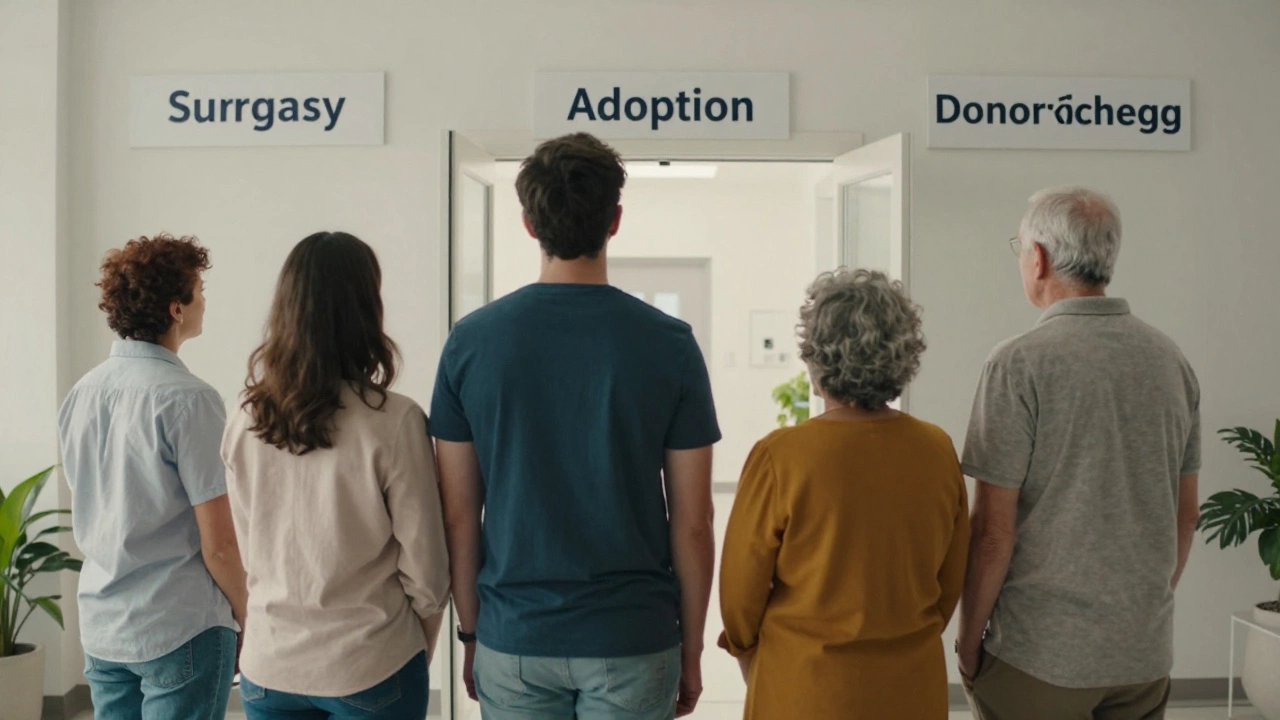
Being told you’re not eligible for IVF doesn’t mean you can’t become a parent. It means you need a different path. Donor eggs, donor sperm, surrogacy, adoption, or fostering are all real options. In Bangalore, there are agencies that help couples navigate surrogacy legally. Adoption centers like SOS Children’s Villages and Childline India offer structured processes. Some clinics even bundle IVF failure counseling with adoption referrals. The goal isn’t to shut the door-it’s to open another one.
Bottom line: IVF is a tool, not a right
IVF works best when the body is ready. When the odds are good. When the risks are low. When the person is prepared-not just emotionally, but physically and financially. If you’re not eligible, it’s not a personal failure. It’s a medical reality. The system is designed to protect you, not punish you. The right path isn’t always the one you imagined. But it can still lead to a family.
Can I still do IVF if I’m over 45?
Most clinics won’t offer IVF with your own eggs after 45 because the chances of success are extremely low-less than 1%. However, many will still offer IVF using donor eggs, which can result in healthy pregnancies even into your early 50s. The key difference is whether you’re using your eggs or someone else’s.
Is IVF possible after cancer treatment?
Yes, but only after full recovery and clearance from your oncologist. If cancer treatment damaged your ovaries or uterus, IVF may not work. If you froze eggs or embryos before treatment, those can often be used. Many fertility clinics now work directly with cancer centers to help patients preserve fertility before chemo or radiation.
Can single women get IVF in India?
Legally, IVF in India is only approved for married heterosexual couples. While some private clinics offer services to single women using donor sperm, they do so without legal protection. There is no official pathway for single women or same-sex couples under current Indian law.
What if my partner has poor sperm quality?
Poor sperm quality doesn’t automatically disqualify you from IVF. Techniques like ICSI (intracytoplasmic sperm injection) can help even with very low sperm counts. If no sperm is found in the ejaculate, a minor surgical procedure called TESE can retrieve sperm directly from the testicles. IVF with ICSI works in over 80% of male factor infertility cases.
Can I use donor eggs if I’m over 40?
Yes, and it’s often the best option for women over 40. Donor eggs come from younger women (usually under 30) with proven fertility. Success rates with donor eggs are much higher-around 50-60% per cycle-even for women in their late 40s. Many clinics have donor egg programs with strict screening for donors.