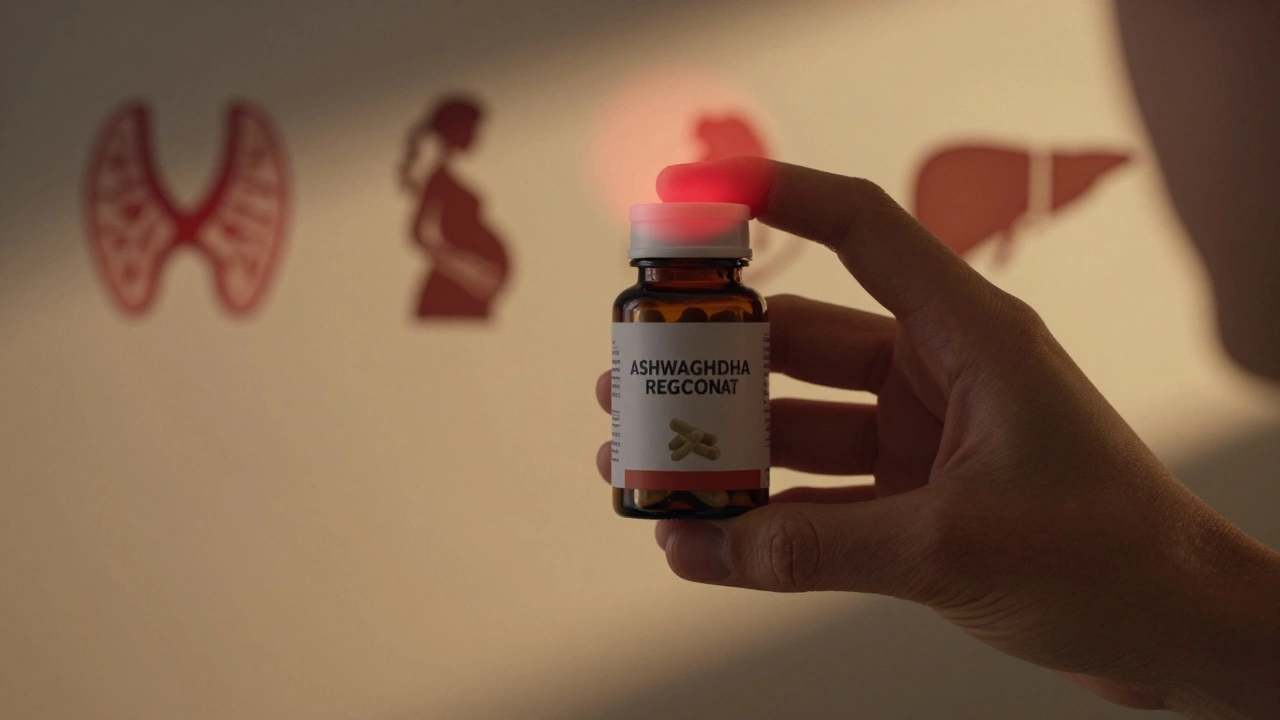
Ashwagandha Safety Checker
This tool identifies potential risks of taking ashwagandha based on your health conditions and medications. Always consult your healthcare provider before starting any new supplement.
Many people turn to ashwagandha for stress relief, better sleep, or more energy. It’s one of the most popular herbs in Ayurveda, and for good reason-it works for a lot of people. But here’s the thing: ashwagandha isn’t safe for everyone. Taking it without knowing your health status can backfire, sometimes seriously. If you’re thinking about trying it, you need to know who should avoid it entirely.
People with Thyroid Conditions Should Be Cautious
Ashwagandha can boost thyroid hormone levels. That sounds great if you’re tired and sluggish, but if you already have hyperthyroidism-like Graves’ disease or an overactive thyroid-this herb can make things worse. A 2018 study in the Journal of Alternative and Complementary Medicine found that ashwagandha increased T4 levels in participants with low thyroid function. That’s helpful if you’re underactive. But if your thyroid is already running hot, adding ashwagandha is like stepping on the gas pedal when you’re already speeding.
If you’re on thyroid medication like levothyroxine, ashwagandha might interfere with how your body absorbs it. Some users report feeling jittery, sweaty, or having a racing heartbeat after starting the supplement. These aren’t just side effects-they’re warning signs your thyroid is being overstimulated.
Those Taking Immunosuppressants Should Skip It
Ashwagandha doesn’t just calm stress-it also wakes up your immune system. That’s why it’s used in Ayurveda to help people recover from illness. But if you’re on drugs like cyclosporine, tacrolimus, or corticosteroids after an organ transplant, or if you have an autoimmune disease like lupus, rheumatoid arthritis, or multiple sclerosis, this boost can be dangerous.
Your immune system is already attacking your own body in autoimmune conditions. Ashwagandha can trigger more inflammation, making symptoms flare up. One patient in Bangalore with Hashimoto’s thyroiditis started taking ashwagandha for ‘energy’ and ended up in the hospital with severe joint pain and a spike in thyroid antibodies. Her doctor told her to stop immediately.
Pregnant Women Should Avoid Ashwagandha Completely
There’s no solid proof that ashwagandha causes miscarriage, but there’s enough animal and traditional evidence to make it a hard no during pregnancy. Ayurvedic texts warn against its use in pregnancy because it may stimulate uterine contractions. A 2021 review in the Journal of Ethnopharmacology noted that high doses of ashwagandha led to premature labor in rats. While human studies are limited, doctors don’t take chances.
If you’re trying to get pregnant, some practitioners suggest ashwagandha may help with fertility by lowering stress hormones. But once you confirm a pregnancy, stop it. The risk isn’t worth it. There are safer ways to manage pregnancy stress-like gentle yoga, meditation, or talking to a therapist.
People with Certain Cancers Should Not Use It
Ashwagandha has been studied for its potential anti-cancer effects in lab settings. That sounds promising, right? But here’s the catch: if you’re currently undergoing chemotherapy or radiation, ashwagandha might interfere. Some compounds in the herb can affect how cancer cells respond to treatment. In one case, a man with prostate cancer on hormone therapy started taking ashwagandha for ‘better sleep’ and his PSA levels rose unexpectedly. His oncologist suspected the supplement was interfering with his medication.
Even if you’re in remission, don’t assume it’s safe. Ashwagandha can stimulate cell growth pathways that some cancers rely on. Always talk to your oncologist before taking any supplement-even natural ones.
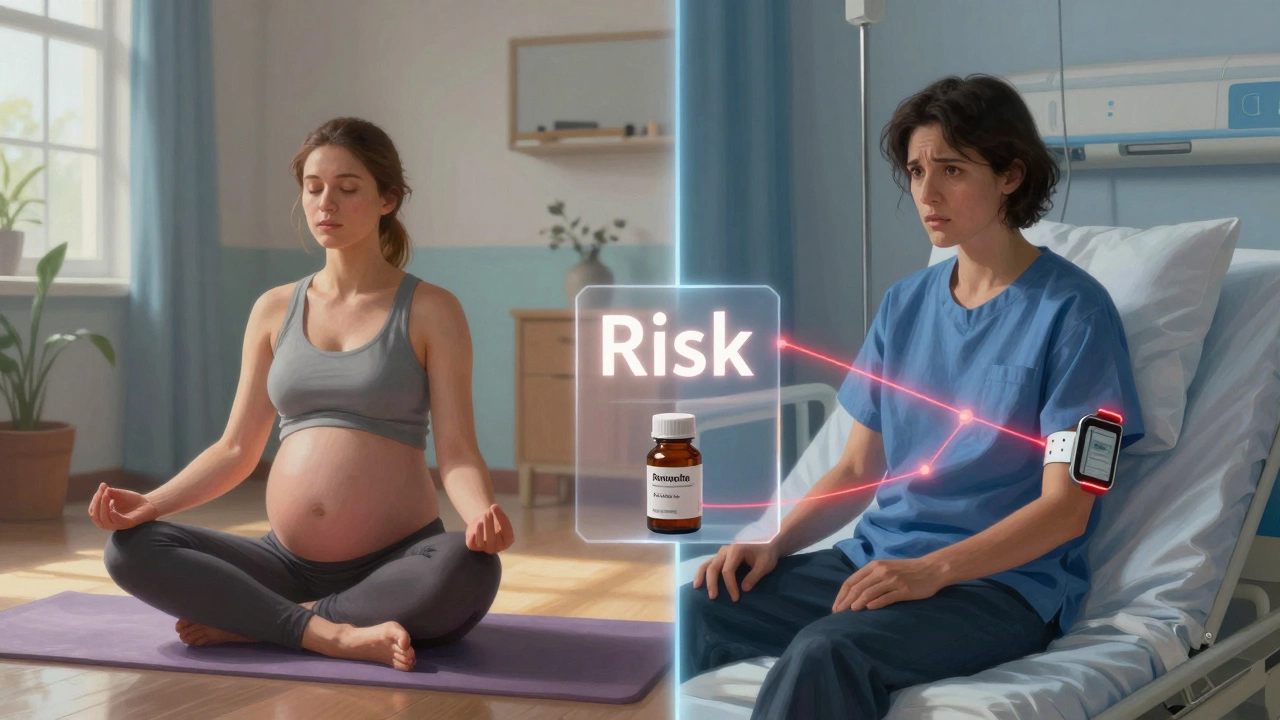
Those with Stomach Issues or Liver Problems
Ashwagandha can irritate the stomach lining. If you have ulcers, GERD, or chronic gastritis, it might make your heartburn or pain worse. Some users report nausea, diarrhea, or bloating after taking it, especially on an empty stomach.
There’s also a rare but serious risk to the liver. The U.S. Food and Drug Administration has flagged a few cases of herb-induced liver injury linked to ashwagandha supplements. These weren’t from traditional use-they came from high-dose, poorly regulated products. If you have fatty liver disease, hepatitis, or any liver condition, skip it. Your liver is already working hard. Don’t add more stress.
People on Sedatives or Blood Pressure Medications
Ashwagandha has a calming effect on the nervous system. That’s why it helps with anxiety and insomnia. But if you’re already taking benzodiazepines like lorazepam, sleep aids like zolpidem, or even alcohol regularly, combining them with ashwagandha can make you dangerously drowsy. You might feel fine at first, but over time, your body can’t process the combined effects.
It also lowers blood pressure. That’s good if you’re hypertensive. But if you’re already on blood pressure meds like lisinopril or metoprolol, ashwagandha can push your pressure too low. Symptoms? Dizziness, fainting, blurred vision. One man in Mysore started taking ashwagandha for stress and collapsed at work because his blood pressure dropped to 85/50. He didn’t realize the supplement was the cause.
Children and Teens Should Not Take It
There’s almost no research on ashwagandha in kids. Hormonal systems are still developing during adolescence. Giving them an adaptogen that affects cortisol, thyroid, and sex hormones could disrupt growth, puberty, or sleep cycles. Even if a friend’s teen is taking it for ‘focus,’ it’s not backed by science-and the long-term risks are unknown.
Parents often assume ‘natural’ means safe for kids. That’s not true. Ashwagandha isn’t a vitamin. It’s a potent herb with hormonal activity. Keep it away from children unless a qualified Ayurvedic doctor specifically recommends it for a rare condition-and even then, only under strict supervision.

What About Allergies?
Ashwagandha is part of the nightshade family, along with tomatoes, potatoes, eggplants, and peppers. If you’re allergic to any of these, you might react to ashwagandha too. Symptoms can include skin rashes, itching, swelling, or even trouble breathing. It’s rare, but it happens. If you’ve ever had an allergic reaction to nightshades, test cautiously or avoid it entirely.
How to Know If It’s Safe for You
There’s no one-size-fits-all answer. The safest way is to talk to a doctor who understands both modern medicine and Ayurveda. Tell them everything you’re taking-prescription drugs, supplements, even over-the-counter painkillers. A pharmacist can check for interactions too.
If you’re healthy, not on any meds, and just want to try ashwagandha for mild stress, start with a low dose (250 mg) and watch how your body reacts over 7 days. No jitters. No stomach upset. No weird sleep changes? Then you’re probably fine. But if you feel off at all, stop.
And always buy from trusted brands. Many supplements sold online are contaminated, over-dosed, or mixed with hidden steroids. Look for third-party tested products with GMP certification. In India, brands like Himalaya, Organic India, or Baidyanath have a long track record.
When in Doubt, Skip It
Ashwagandha isn’t a magic cure. It’s a powerful herb. Just like you wouldn’t take antibiotics without a prescription, you shouldn’t treat ashwagandha like a daily vitamin. If you have any of the conditions listed here, don’t risk it. There are safer alternatives for stress, sleep, and energy-like regular exercise, better sleep hygiene, or talking to a counselor.
Your health isn’t something to gamble with. Just because something is natural doesn’t mean it’s harmless. Know your body. Know your limits. And when in doubt, wait and ask a professional.