Biblical Herbs Symbolism Explorer
Click on two plant cards below to see a side-by-side comparison of their spiritual meanings and historical significance.
Detailed Comparison
| Attribute |
|---|
Key Takeaway
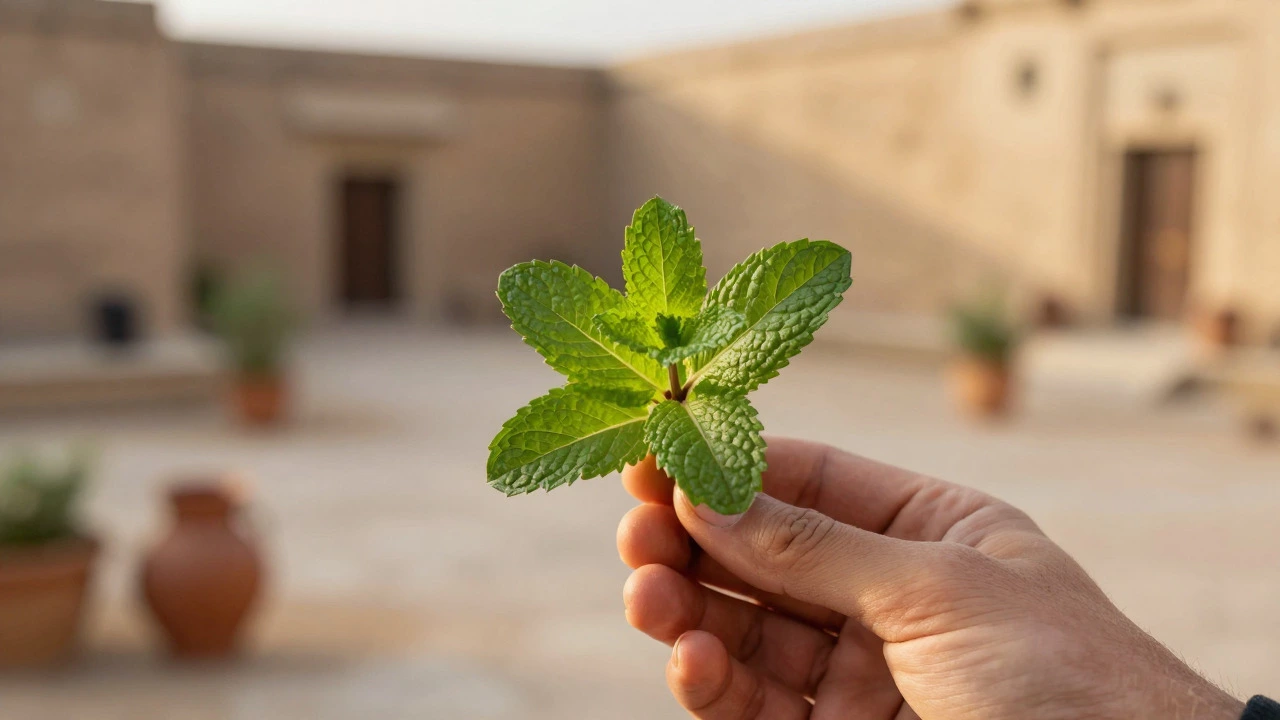
Ever wondered why a simple garden herb like mint is a plant with strong cultural and religious significance appearing in both the Old and New Testaments shows up so often in ancient texts? It’s not just about flavoring tea. For thousands of years, mint has been more than a culinary staple; it was a currency of purity, a marker of wealth, and a symbol of judgment. If you’re into herbal supplements or just curious about the roots of our language and faith, understanding what the Bible says about mint helps decode a lot of old-world wisdom.
Mint isn’t mentioned as frequently as olive trees or grapevines, but when it does appear, the context matters. It’s usually tied to tithes, hospitality, or moral precision. Let’s break down exactly where it appears, what it meant to the people back then, and how that translates to us today.
The First Mention: Tithes and Legal Precision
The most famous reference to mint comes from the book of Malachi is the final book of the Old Testament prophets, focusing on covenant faithfulness and preparation for the Messiah. In Malachi 3:18, God commands the Israelites to tithe everything from the produce of the soil, specifically listing "the seed of the tree, the fruit of the vine, and the oil of the olive trees" alongside mint. Wait, actually, let's look closer. The specific verse often cited regarding mint in the context of tithing is found in Leviticus is a book of the Torah detailing laws for worship, purity, and community life 27:30-31, which mentions firstfruits, though mint itself is explicitly named in the prophetic critique later. However, the critical moment is in the New Testament, where Jesus references the Law's requirements.
In Matthew 23:23, Jesus criticizes the Pharisees for being meticulous about tithing "mint, dill, and cumin" while neglecting justice, mercy, and faith. This is crucial. Why these three herbs? They were small, hard to count, and easy to overlook. Tithing them required extreme attention to detail. If you were tithing your mint leaves one by one, you were demonstrating total submission to the law. But Jesus argued that missing the bigger picture-justice and mercy-made the precise counting of mint leaves spiritually empty. It wasn't that mint was bad; it was that ritual precision without heart was hollow.
Mint as a Symbol of Hospitality and Wealth
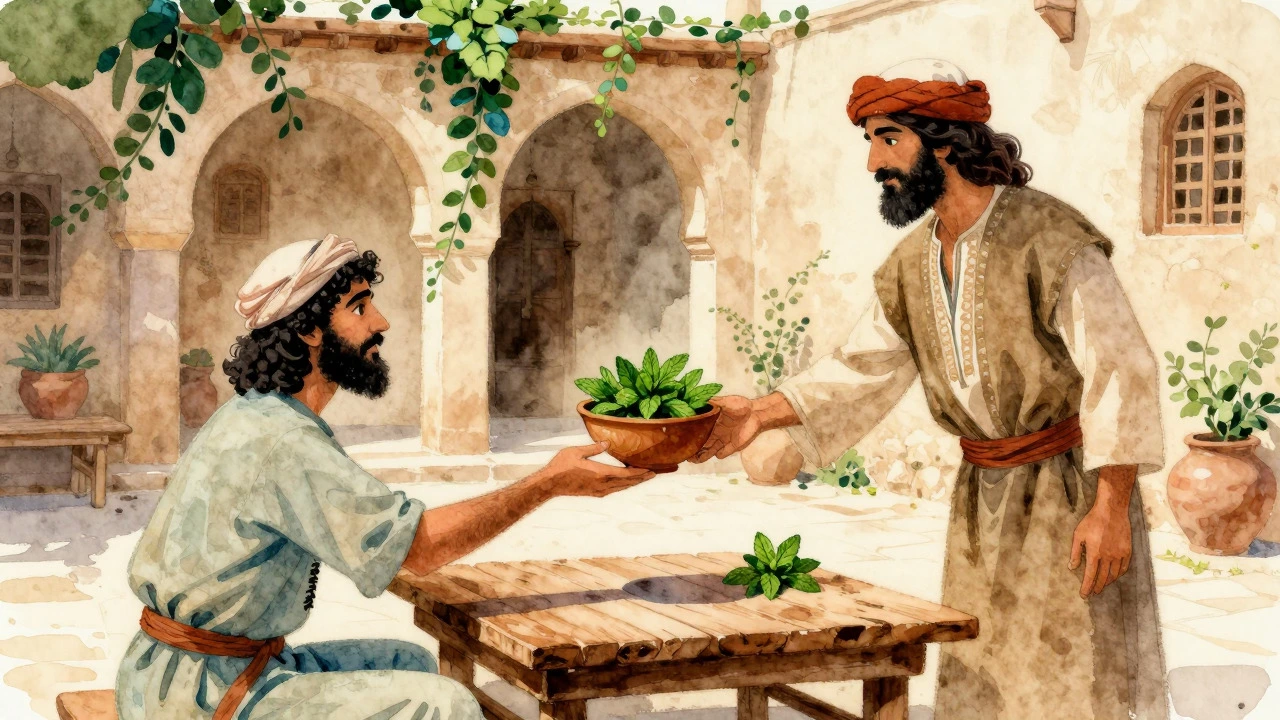
Beyond legal obligations, mint was a status symbol. In the ancient Near East, fresh mint was expensive because it didn't store well. You had to grow it locally or trade for it immediately after harvest. So, offering mint to a guest was a sign of genuine welcome and abundance.
This connects to the concept of hospitality is the custom of providing food, shelter, and other necessities to guests, highly valued in biblical culture. When the Psalmist speaks of washing hands in innocence (Psalm 26:6), some scholars draw parallels to the use of aromatic plants for purification. While mint isn't explicitly named in that specific verse, its association with cleanliness and freshness permeated daily life. A house with mint growing in the courtyard signaled that the host cared about their environment and their guests' comfort. It was the ancient equivalent of having a spotless kitchen and fresh flowers on the table.
Medicinal and Practical Uses in Biblical Times
Why did people care so much about this tiny plant? Because it worked. Ancient texts, including those referenced in the Bible's cultural background, recognized mint's medicinal properties. It was used to soothe digestive issues, clear sinuses, and refresh the breath. In a time without modern antibiotics or antacids, a handful of crushed mint leaves was a go-to remedy for an upset stomach.
This practical utility is why it appeared in lists of valuable produce. It wasn't just symbolic; it was functional. The Pharisees are a Jewish sect known for strict adherence to the Mosaic Law and oral traditions during the Second Temple period didn't just tithe mint out of habit; they valued it as a tangible good. If you had a surplus of mint, it had economic value. You could trade it, gift it, or consume it for health benefits. This dual nature-spiritual obligation and physical benefit-makes mint a unique case study in biblical botany.
Mint vs. Other Biblical Herbs: A Comparison
To really grasp mint's place, compare it to other common herbs in scripture. Olive trees represented peace and anointing. Grapevines represented joy and blood. But mint represented precision, purity, and domestic care. Here’s a quick breakdown of how these plants differ in their symbolic weight:
| Plant | Primary Symbolism | Practical Use | Biblical Context |
|---|---|---|---|
| Mint | Precision, Purity, Hospitality | Digestive aid, Flavoring | Tithing (Matt 23), Domestic life |
| Olive Tree | Peace, Anointing, Spirit | Oil for light, Food | Anointing kings, Parable of fig tree |
| Grapevine | Joy, Blood, Fruitfulness | Wine, Food | Canaan, Last Supper |
| Dill | Detail, Abundance | Flavoring, Medicine | Tithing (Matt 23) |
Notice that mint and dill are often paired. Both are small, leafy herbs that require careful handling. This pairing reinforces the idea of "small things." Jesus’ point in Matthew 23 wasn't to abolish tithing, but to elevate the importance of the heart over the hand. You can count every mint leaf, but if you're harsh to your neighbor, your mint doesn't matter.
Modern Relevance: From Scripture to Supplement
Today, we might not tithe our garden herbs, but the lessons remain relevant. In the world of herbal supplements are products derived from plants used to promote health and wellness, ranging from teas to capsules, mint is still a star ingredient. Peppermint oil is widely used for irritable bowel syndrome (IBS) and nausea. The same plant that Jesus mentioned as a test of devotion is now a standard recommendation for gut health.
There’s a poetic irony here. The Pharisees were criticized for obsessing over mint while ignoring mercy. Today, we sometimes obsess over the perfect supplement stack or the right dosage of peppermint extract while ignoring basic lifestyle changes like stress management or hydration. The principle holds: don't let the small, technical details of your health routine distract you from the big-picture habits that actually sustain well-being.
Also, consider the hospitality angle. Offering someone a cup of mint tea is still a powerful gesture of care. It’s a low-cost, high-impact way to show someone they matter. In a digital age where connections can feel thin, pouring a glass of mint-infused water for a friend is a tangible act of kindness that echoes ancient traditions.

Common Misconceptions About Mint in the Bible
A lot of people think mint is only mentioned once or twice. That’s not quite right. While explicit mentions are rare, its presence in the cultural fabric of the time makes it a recurring theme in interpretation. Another misconception is that mint was considered "unclean" or inferior. On the contrary, it was highly valued. Its scarcity made it precious. If it were cheap and abundant, it wouldn't have been singled out in the tithing laws.
Some also confuse mint with other aromatic plants like basil or rosemary. While all were used in the region, mint is distinct in its cooling property. The Hebrew word for mint, *na'ats*, refers specifically to this cooling, refreshing sensation. This sensory experience is central to its identity in both scripture and science.
How to Apply Biblical Wisdom About Mint Today
You don't need to be a theologian to benefit from what mint represents. Here are three practical ways to apply these insights:
- Practice Attention to Detail: Just as tithing mint required focus, apply that same level of care to one area of your life-whether it's financial planning, health tracking, or relationships. Small, consistent actions build big results.
- Prioritize Heart Over Ritual: Don't get bogged down in the "rules" of health or spirituality. If you're taking your supplements but feeling anxious or isolated, check your balance. Mercy and connection matter more than perfect compliance.
- Extend Hospitality: Make it a habit to offer something simple and refreshing to others. A slice of watermelon, a cup of mint tea, or a warm drink. These small acts build community and reflect the biblical value of welcoming others.
Mint is a small plant with a big story. It teaches us that even the tiniest elements of our lives carry weight. Whether you're studying scripture or sipping a herbal tea, remember the lesson: pay attention to the small things, but never lose sight of the big ones.
What is the Hebrew word for mint in the Bible?
The Hebrew word typically translated as mint is *na'ats*. It refers to the plant's cooling and refreshing qualities, distinguishing it from other aromatic herbs like dill or cumin.
Why did Jesus mention mint in Matthew 23?
Jesus mentioned mint to highlight the Pharisees' obsession with minor legal details (tithing small herbs) while neglecting major virtues like justice, mercy, and faith. It was a critique of ritualistic perfectionism without genuine compassion.
Was mint considered a valuable crop in ancient times?
Yes, mint was valuable because it was perishable and difficult to transport long distances. Fresh mint indicated local abundance and care, making it a symbol of wealth and hospitality in the ancient Near East.
How is mint used in modern herbal medicine?
Modern herbal medicine uses peppermint oil primarily for digestive issues like IBS and bloating. It works by relaxing smooth muscles in the gut. It is also used for headaches and nausea, echoing its ancient medicinal reputation.
Is there a difference between biblical mint and modern peppermint?
While the exact species may vary slightly due to centuries of cultivation, the core characteristics-cooling effect, aromatic leaves, and medicinal use for digestion-remain consistent. Modern peppermint is likely a hybrid descendant of wild mints referenced in ancient texts.