Vitamin Stack Analyzer
Select the supplements you currently take to see if they are fighting for absorption or if your timing needs adjustment.
Click on the badges below to add them to your stack:
Select at least one supplement above to analyze your stack.
Optimal Timing Strategy
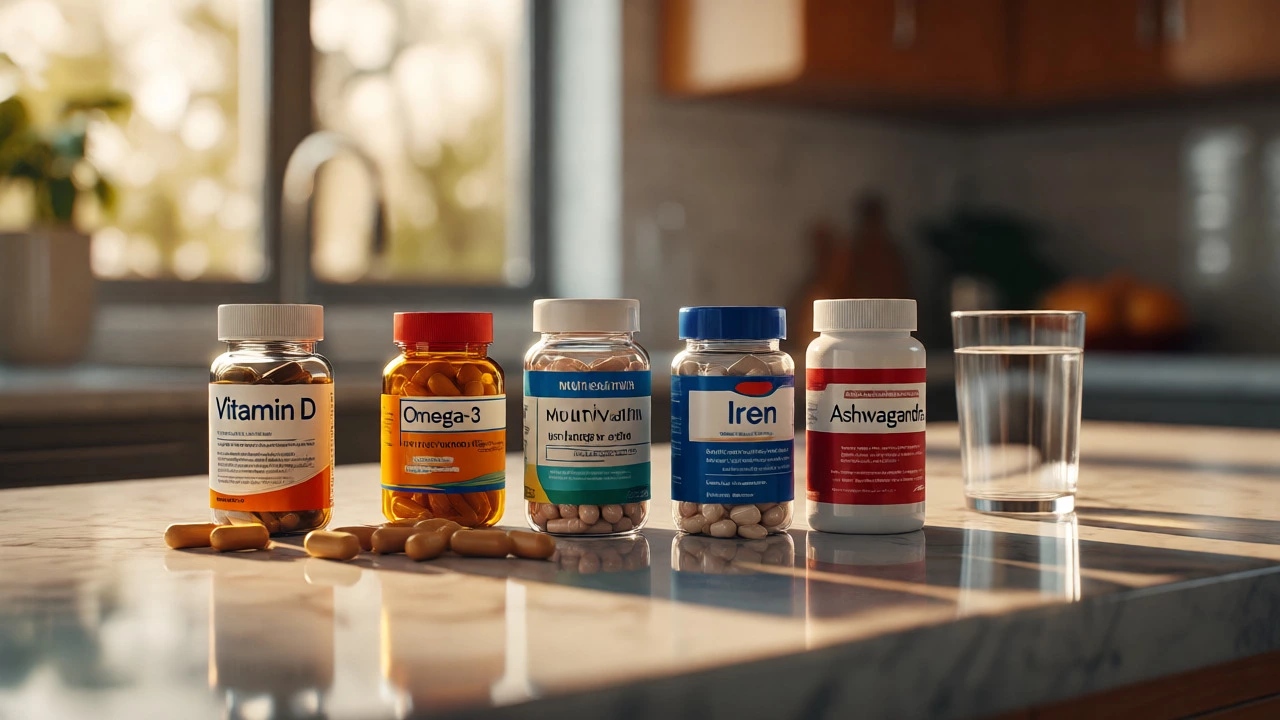
You’re standing in your kitchen, five different bottles of pills lined up on the counter. Vitamin D, Omega-3s, a multivitamin, Iron, and maybe some Ashwagandha. You look at them, then at your glass of water, and wonder: "Is this actually working, or am I just making expensive urine?" It’s a common dilemma. We’ve been sold the idea that more is better, but biology doesn’t always agree with marketing.
The short answer to can I take 5 different vitamins at once? is: yes, you can physically swallow them, but whether it’s smart depends entirely on what those vitamins are. Some nutrients fight for the same entry tickets into your bloodstream, while others need fat to dissolve properly. Others might even clash chemically in your stomach before they ever reach your cells. Taking five random supplements together isn’t necessarily dangerous, but it can be wasteful. Let’s break down how to stack them without wasting money or upsetting your gut.
Key Takeaways
- Not all vitamins play nice: Calcium blocks iron; zinc competes with copper. Know your clashes.
- Fat-soluble needs food: Vitamins A, D, E, and K require dietary fat for absorption. Water-soluble ones don't.
- Timing matters more than quantity: Spreading doses throughout the day often yields better results than one mega-pill.
- Herbal interactions are real: St. John’s Wort or Turmeric can alter how your body processes synthetic vitamins.
- Check your total dosage: Five separate pills might exceed safe upper limits for certain nutrients like Vitamin B6 or Selenium.
The Chemistry of Collision: Why Some Vitamins Fight
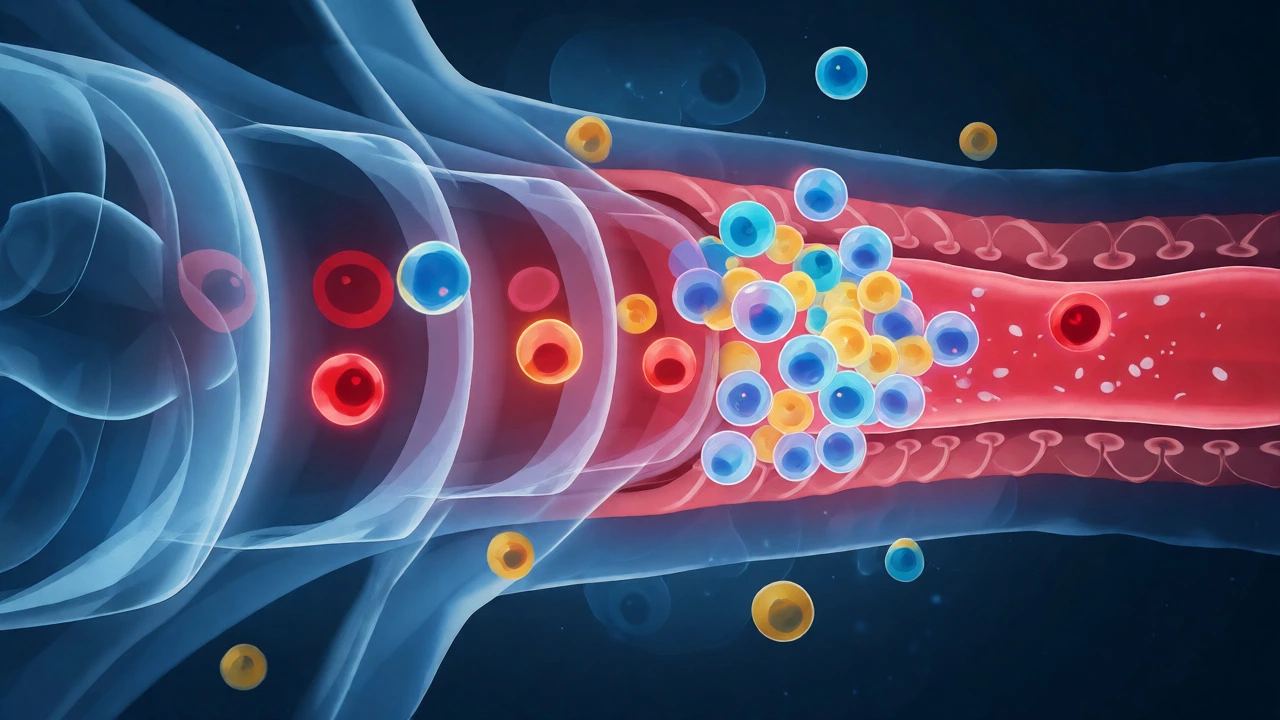
Your digestive system isn’t a magic portal where everything just floats into your blood. It’s a crowded hallway. When you throw five different supplements into this hallway simultaneously, they compete for transport proteins and space. This is called competitive inhibition. The most famous rivalry in the supplement world is between calcium and iron. If you take a calcium-rich multivitamin alongside an iron supplement, the calcium actively inhibits the absorption of the iron. You end up getting the benefits of the calcium, but the iron passes right through you.
Zinc and copper have a similar issue. High doses of zinc taken over time can deplete your body’s copper stores because they share the same absorption pathway (metallothionein). If you’re taking a high-dose zinc lozenge for a cold along with a general mineral complex, you might inadvertently starve your body of copper. Magnesium and calcium also compete when taken in large amounts at once, though moderate doses usually manage fine. The rule of thumb? If two minerals are chemically similar, give them a few hours of separation.
Fat-Soluble vs. Water-Soluble: The Lunch Test
To understand if your five-vitamin stack works, you have to categorize them. There are only two types of vitamins based on how they move through your body: fat-soluble and water-soluble. This distinction dictates when you should take them.
Fat-soluble vitamins-A, D, E, and K-are hydrophobic. They hate water. If you wash them down with black coffee on an empty stomach, they will likely pass through your system unabsorbed. They need bile salts to emulsify them, which your gallbladder releases only when you eat fats. So, if one of your five bottles contains Vitamin D3 or a fish oil capsule, that specific pill belongs in a meal containing avocado, nuts, olive oil, or eggs.
Water-soluble vitamins-like the entire B-complex group and Vitamin C-dissolve easily in water. They don’t need food to get absorbed. In fact, taking them on an empty stomach can sometimes lead to faster uptake. However, they are not stored well by the body. Excess amounts are excreted in urine within hours. This is why people say B-vitamins make your pee bright yellow. Because they flush out quickly, splitting your B-complex dose into morning and afternoon portions keeps blood levels stable longer than dumping it all at once.
| Nutrient Type | Absorption Requirement | Best Time to Take | Common Conflict |
|---|---|---|---|
| Vitamin D | Needs dietary fat | Lunch or Dinner | None significant, but avoid taking with weight-loss meds that block fat |
| Iron | Needs acidic environment (Vitamin C helps) | Morning on empty stomach | Calcium, Coffee, Tea, Antacids |
| Magnesium | Variable; Glycinate is gentle, Oxide is laxative | Evening (for sleep) | High-dose Zinc or Calcium |
| B-Complex | Water-soluble, no food needed | Morning (can cause alertness) | Alcohol interferes with absorption |
| Omega-3 Fatty Acids | Needs fat | With largest meal | Blood thinners (consult doctor) |
The Hidden Danger: Cumulative Toxicity
Here is the part nobody talks about enough: synergy isn’t always good. When you take five different products, you aren’t just taking five ingredients. You are taking five proprietary blends. Your multivitamin might already contain 100% of your daily value of Vitamin B6. Your energy booster might add another 50mg. Your protein powder might have added B-vitamins too.
Vitamin B6 (pyridoxine) is a classic example. While essential for nerve health, chronic intake above 100mg per day has been linked to peripheral neuropathy-a tingling sensation in hands and feet. Many people hit this threshold accidentally by stacking a dedicated B-complex, a multivitamin, and a sports nutrition drink. Similarly, Selenium is vital for thyroid function, but the gap between a helpful dose and a toxic one is narrow. Too much selenium causes hair loss and brittle nails. Before popping five pills, read the labels. Add up the totals. If you’re exceeding 100% of the Recommended Dietary Allowance (RDA) for fat-soluble vitamins, you’re storing excess in your liver, which can become problematic over months.
Herbal Supplements: The Wild Cards
You mentioned herbal supplements in the context of this question. This adds a layer of complexity. Unlike isolated vitamins, herbs contain hundreds of active compounds. They don’t just provide nutrients; they modulate enzymes in your liver, specifically the Cytochrome P450 family. These enzymes are responsible for breaking down drugs and supplements.
Take St. John’s Wort, for instance. It speeds up these liver enzymes, causing your body to metabolize other substances faster. If you take St. John’s Wort alongside Vitamin D or certain prescription medications, the other substance might leave your system before it does its job. Conversely, Grapefruit extract (often found in detox teas) inhibits these enzymes, causing levels of other supplements to spike dangerously high.
Turmeric (Curcumin) is another popular addition. It has poor bioavailability on its own, so many formulations include piperine (black pepper extract) to boost absorption by up to 2000%. But piperine also increases the absorption of other nutrients, potentially pushing your levels of selenium or magnesium higher than intended. If your five-vitamin stack includes potent adaptogens like Ashwagandha or Rhodiola, monitor how you feel. They affect cortisol and thyroid hormones, which indirectly influence how you utilize vitamins like B12 and Iron.

Practical Strategy: How to Split Your Stack
If you want to keep taking five supplements, stop treating them as a single event. Treat them as a schedule. Here is a simple framework to optimize absorption without buying new products.
Step 1: Identify the Fat-Solubles. Look for Vitamin A, D, E, K, and Omega-3s. Move these to your largest meal of the day, typically lunch or dinner. This ensures they have the fat they need to absorb.
Step 2: Isolate the Minerals. If you are taking Iron or Calcium, do not take them with coffee, tea, or dairy-heavy meals if possible. Iron absorbs best with Vitamin C. Pair your iron pill with a glass of orange juice or a lemon-water mix. Keep Calcium away from Iron by at least four hours.
Step 3: Morning Boosters. Water-soluble vitamins like B-Complex and Vitamin C are great for the morning. They support energy metabolism. Taking them at night might disrupt sleep for sensitive individuals due to their energizing effects.
Step 4: Evening Relaxers. Magnesium is known for relaxing muscles and supporting GABA receptors in the brain. Save your Magnesium supplement for 1-2 hours before bed. This prevents it from competing with morning minerals and leverages its calming properties.
Example Schedule: * **7:00 AM:** Multivitamin + B-Complex + Vitamin C (with breakfast). * **1:00 PM:** Vitamin D + Omega-3s (with lunch containing healthy fats). * **8:00 PM:** Magnesium + Herbal Adaptogen (with light snack or on empty stomach).
When to Consult a Professional
While self-prescribing vitamins is common, it’s not risk-free. Certain populations need extra caution. Pregnant women, for example, must be careful with Vitamin A. Preformed retinol (animal-based Vitamin A) is teratogenic in high doses, meaning it can cause birth defects. Beta-carotene (plant-based) is safer, but still, dosing matters. If you are on blood thinners like Warfarin, Vitamin K consistency is critical. Fluctuating your Vitamin K intake wildly by adding or removing greens and supplements can destabilize your INR levels.
Also, consider your kidney health. High doses of Vitamin C can increase oxalate production, leading to kidney stones in susceptible people. If you have a history of stones, ask your doctor before loading up on 1000mg+ of Vitamin C daily. Blood tests are the only way to know if you are deficient or replete. Guessing leads to either under-dosing (no benefit) or over-dosing (potential toxicity).
Frequently Asked Questions
Does taking vitamins on an empty stomach make them work faster?
For water-soluble vitamins like Vitamin C and B-complex, yes, absorption can be slightly faster without food blocking the way. However, for fat-soluble vitamins (A, D, E, K), taking them on an empty stomach drastically reduces absorption. Always check the label or consult the type of vitamin first.
Can I take my multivitamin and individual supplements together?
You can, but you must check for overlap. Most multivitamins already contain baseline levels of Zinc, Selenium, and B-vitamins. Adding high-dose individual supplements on top can push you past safe upper limits. Calculate your total daily intake from all sources combined.
Do herbal supplements interact with vitamins?
Yes. Herbs like St. John's Wort, Ginkgo Biloba, and Turmeric can change how your liver processes vitamins and medications. For example, Turmeric with black pepper increases the absorption of many nutrients, which could unintentionally raise levels of other supplements you are taking.
What happens if I take too many vitamins at once?
Immediate side effects often include nausea, stomach cramps, or diarrhea, especially with minerals like Magnesium or Zinc. Long-term, excessive intake of fat-soluble vitamins can lead to toxicity in the liver and kidneys. Water-soluble excess is usually excreted, but high doses of B6 or Niacin can still cause nerve damage or flushing.
Is it better to take vitamins with coffee or water?
Water is always the safest bet. Coffee contains tannins and caffeine, which can inhibit the absorption of Iron, Calcium, and Magnesium. If you love your morning coffee, wait at least 30-60 minutes after taking your mineral supplements before drinking it.