
Non-Surgical Knee Pain Relief Estimator
This tool estimates potential relief from non-surgical treatments for severe knee osteoarthritis (bone-on-bone). Results are indicative and not a substitute for professional medical advice.
Projected Pain Score
Relief Potential
You wake up, try to stand, and feel that sharp, grinding sensation in your knee. The doctor’s X-ray shows what they call "bone-on-bone"-a terrifying phrase that usually leads to one recommendation: total knee replacement. But is surgery the only exit ramp? For many patients, especially those who are younger, active, or simply not ready for a major operation, the answer is a hopeful no. While you cannot regenerate lost cartilage like new skin, you can significantly reduce pain, improve function, and delay or even avoid surgery through strategic, non-invasive interventions.
Understanding What "Bone-on-Bone" Actually Means
Before we talk about fixes, let’s clarify the problem. "Bone-on-bone" is a layman’s term for severe Osteoarthritis, where the protective cartilage cushion between your thigh bone (femur) and shin bone (tibia) has worn away completely. This leaves bare bone surfaces rubbing against each other during movement. It sounds catastrophic, but here’s the twist: the pain doesn’t always come from the bone itself. Bones have few nerve endings for pain. The agony often stems from inflammation in the surrounding synovial lining, stress on ligaments, or muscle spasms trying to protect the joint. This distinction is crucial because it means treating the inflammation and mechanics can provide massive relief, even if the cartilage is gone.
| Treatment Type | Best For | Pain Relief Duration | Risk Level |
|---|---|---|---|
| Physical Therapy | Muscle weakness, poor alignment | Long-term (if maintained) | Low |
| Corticosteroid Injections | Acute flare-ups, high inflammation | 3-6 months | Medium (tissue damage risk) |
| Hyaluronic Acid | Mild to moderate OA, lubrication issues | 6-12 months | Low |
| PRP Therapy | Early-stage degeneration, biological healing | 6-18 months | Very Low |
| Unloader Brace | Medial compartment arthritis | Immediate (while wearing) | Low |
The Power of Biomechanics: Why Muscles Matter More Than Cartilage
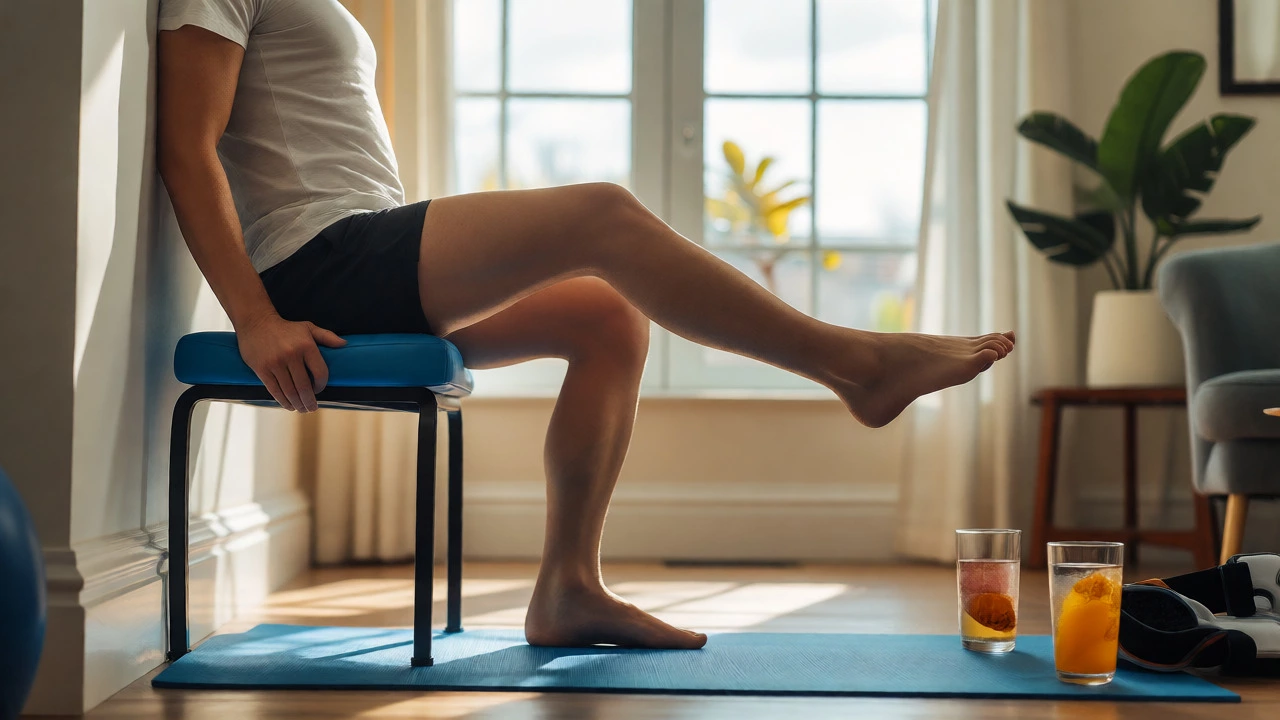
Think of your knee as a hinge supported by cables. If the cables (muscles) are weak, the hinge takes all the load. When you have bone-on-bone arthritis, your quadriceps-the large muscles on the front of your thigh-are often atrophied due to disuse. A study published in the Journal of Orthopaedic & Sports Physical Therapy highlighted that strengthening these muscles reduces joint load by up to 50% during walking. You don’t need to build bodybuilder legs; you need functional strength. Focus on exercises like straight-leg raises, wall sits, and step-downs. These movements stabilize the femur, preventing it from grinding unevenly against the tibia. Consistency beats intensity here. Doing ten minutes daily is better than an hour once a week.
Injections: Beyond the Steroid Shot
Many people fear injections, but modern orthobiologics offer more than just numbing agents. Let’s break down the main options available in clinics today.
- Corticosteroids: These are powerful anti-inflammatories. They work fast, often within days. However, frequent use can actually degrade remaining tissue. Limit these to three or four per year.
- Hyaluronic Acid (Viscosupplementation): This involves injecting a gel-like substance that mimics natural joint fluid. It acts as a lubricant and shock absorber. It’s particularly helpful for patients whose knees feel "dry" or stiff in the morning. Results vary, but many report six months of improved mobility.
- Platelet-Rich Plasma (PRP): This is a game-changer for many. Doctors draw your blood, spin it to concentrate platelets, and inject it back into the knee. Platelets release growth factors that may help modulate inflammation and potentially slow degeneration. While it won’t regrow thick cartilage, clinical trials suggest significant pain reduction for up to a year in suitable candidates.
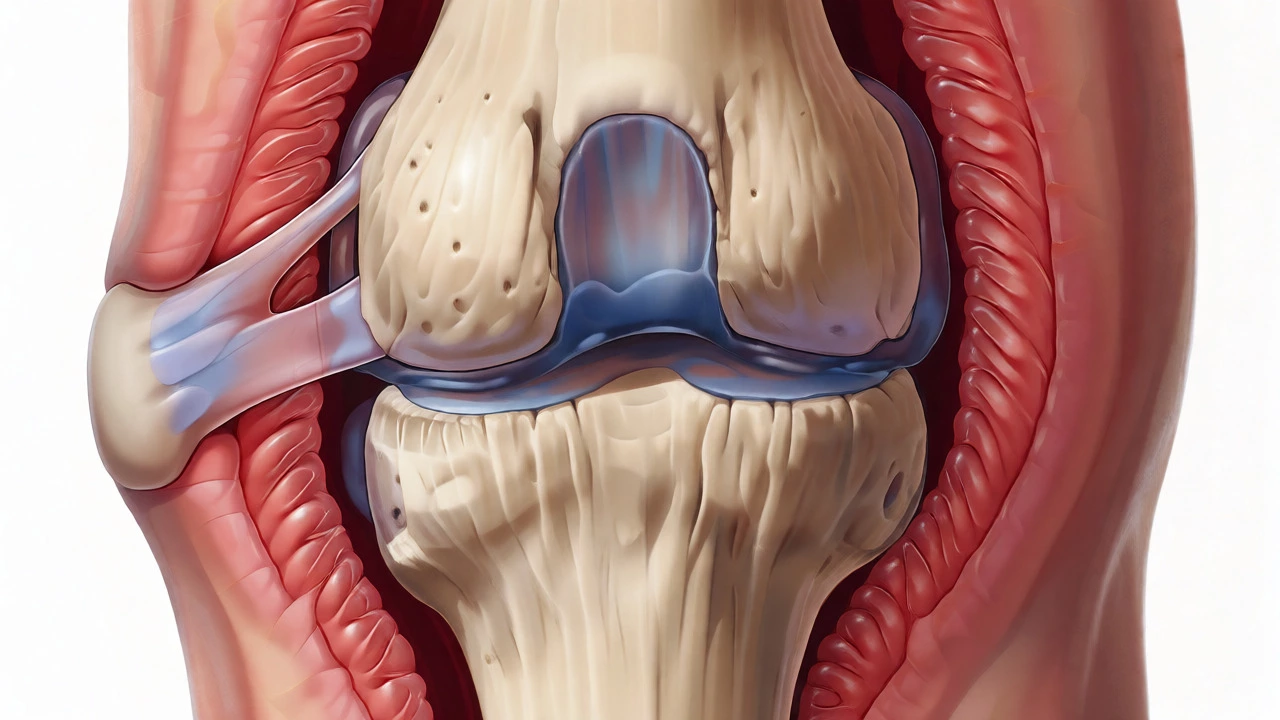
Weight Management: The Silent Joint Killer
Here is a hard truth: every pound of body weight places four pounds of pressure on your knees. If you carry twenty extra pounds, your knees endure eighty extra pounds of force with every step. Losing weight isn’t just about looking good; it’s mechanical necessity. Research from the Arthritis Foundation indicates that losing just 10% of body weight can cut pain scores in half for obese patients with knee osteoarthritis. You don’t need a gym membership. Walking on soft surfaces, swimming, or using a stationary bike reduces impact while burning calories. Pair this with an anti-inflammatory diet rich in omega-3 fatty acids, turmeric, and leafy greens to lower systemic inflammation.
Bracing and Assistive Devices
If your arthritis affects only one side of the knee (usually the inner side), an Unloader Brace can be a miracle worker. Unlike generic drugstore sleeves, these custom-fitted braces physically shift your weight away from the damaged compartment onto the healthier side. It’s like putting a shim under a wobbly table leg. Many patients report immediate pain relief when wearing them during walks or errands. Additionally, using a cane in the hand opposite your bad knee reduces load by up to 20%. Don’t let pride stop you; assistive devices preserve energy and prevent falls, which can cause further joint damage.
Emerging Therapies and Lifestyle Tweaks
Beyond standard care, some patients find relief through alternative methods. Acupuncture, for instance, stimulates nerves and releases endorphins, providing short-term pain relief for some individuals. Radiofrequency Ablation (RFA) is another option for those who fail conservative treatments but aren’t ready for surgery. In RFA, a doctor uses heat to disable specific nerves sending pain signals from the knee. It doesn’t fix the joint, but it stops the pain message for 6-12 months, giving you a window to engage in physical therapy without suffering.
When Is Surgery Still the Best Option?
We must be honest: no amount of exercise will regrow a missing meniscus or replace eroded bone. If you experience night pain that wakes you up, inability to walk more than 100 yards, or deformity (bow-leggedness worsening rapidly), delaying surgery might lead to muscle wasting and poorer outcomes later. The goal of non-surgical care is not necessarily to cure the arthritis permanently but to manage symptoms effectively so you can maintain quality of life. If conservative measures fail after six months of dedicated effort, discussing a partial or total knee replacement becomes necessary.
Frequently Asked Questions
Can cartilage grow back naturally?
No, adult human cartilage has very limited regenerative capacity. Once it is fully worn away (bone-on-bone), it does not grow back naturally. However, microfracture surgery or experimental stem cell therapies aim to create fibrocartilage, which is less durable than original hyaline cartilage but can fill gaps.
Is PRP safe for everyone with knee pain?
PRP is generally safe since it uses your own blood, but it is not suitable for everyone. Patients with blood disorders, those on blood thinners, or those with active infections should avoid it. It works best for mild to moderate osteoarthritis rather than severe bone-on-bone cases.
How long does it take to see results from physical therapy?
Most patients notice improved stability and reduced pain within 4 to 6 weeks of consistent therapy. Full benefits often require 3 to 6 months of regular exercise to build sufficient muscle strength to offload the joint effectively.
Do supplements like Glucosamine really work?
Scientific evidence is mixed. Some studies show modest benefit for pain relief, while others show no difference compared to placebo. They are generally safe, so a trial period of 3 months is reasonable, but do not expect them to rebuild cartilage.
What happens if I ignore bone-on-bone pain?
Ignoring pain leads to compensatory movement patterns, which can damage hips, ankles, and the opposite knee. Chronic inflammation may also accelerate joint destruction and make future surgery more complex due to muscle loss and contractures.