Post-Surgery Independence Readiness Tool
Readiness Score
Check boxes on the left to update your score instantly.
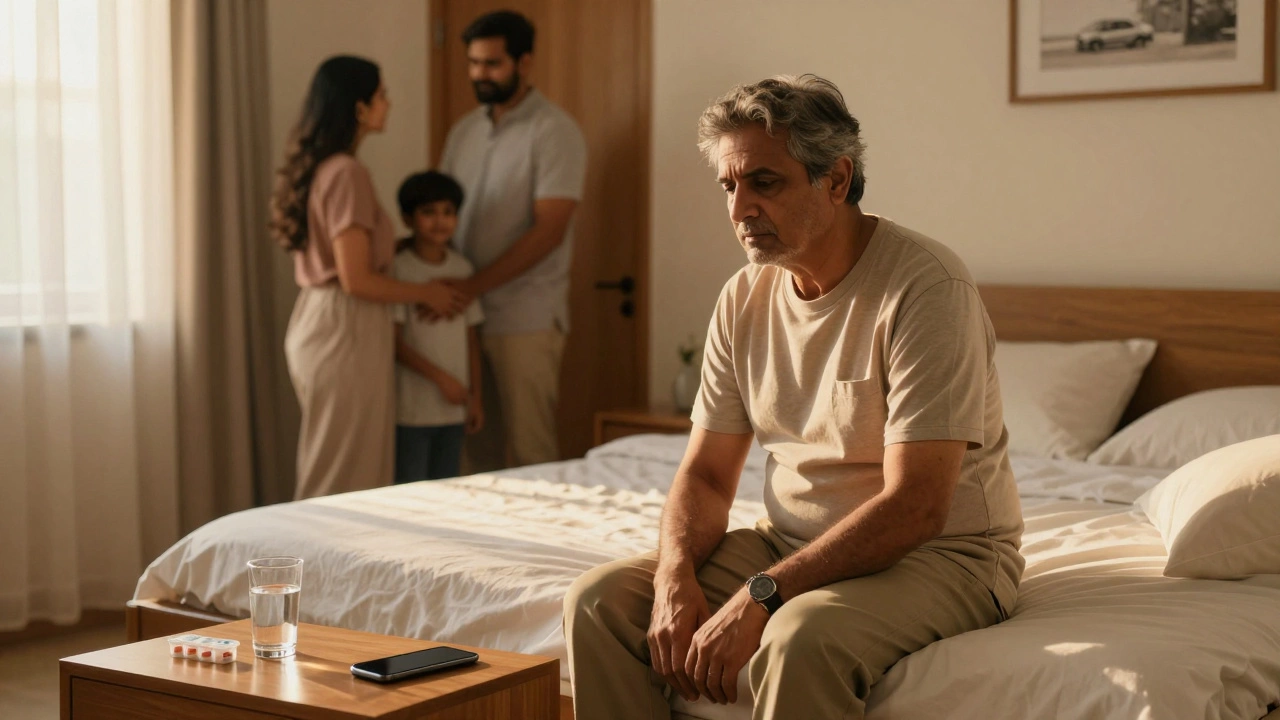
Imagine you are back home from the hospital. The chest incision is healing, the monitors are gone, and you are finally in your own bed. But there is a nagging question in the back of your mind: Is it safe to be here by myself? For many patients facing open-heart surgery, a major medical procedure involving the heart and great vessels, often requiring a sternotomy (cutting through the breastbone), this fear is completely valid. The short answer is yes, you can stay alone, but it depends entirely on how far along you are in your recovery and what support system you have built around you.
Most cardiologists and surgeons agree that while long-term independence is the goal, the first few weeks at home usually require some level of assistance. Understanding exactly when you are ready to handle life solo-and how to prepare for it-can make the difference between a smooth recovery and a dangerous emergency.
The First Two Weeks: Why You Need Help
The immediate period after discharge is not the time to test your limits. During the first 10 to 14 days at home, your body is still in shock from the trauma of surgery. Your sternum (breastbone) has been wired back together, and those wires need time to fuse. This process, called sternal healing, takes about six to eight weeks to become strong enough to withstand normal stress.
During this early phase, you are likely dealing with significant fatigue, pain, and the side effects of multiple medications. Opioids for pain management can cause drowsiness and confusion. Blood thinners like aspirin or warfarin increase the risk of bleeding if you fall. If you trip over a rug or slip in the shower while alone, the consequences could be severe-not just because of the fall, but because no one is there to help you up or call for emergency services immediately.
Think of this period as a transition zone. You might feel okay sitting in your armchair reading a book, but standing up quickly to get water might leave you dizzy. Having someone nearby ensures that small setbacks don’t turn into big problems. It also helps with practical tasks like cooking nutritious meals and managing medication schedules, which are critical for healing.
When Can You Safely Be Alone?
There is no single day that applies to everyone, but most patients reach a point where they can manage short periods of solitude within two to four weeks post-surgery. This timeline assumes an uncomplicated recovery without infections or other complications.
Here are the signs that you might be ready to spend some time alone:
- You can walk around your house without feeling lightheaded or excessively breathless.
- You can perform basic activities of daily living, such as using the bathroom, getting dressed, and preparing simple snacks, without assistance.
- Your pain is manageable with oral medication and does not spike unexpectedly.
- You have a reliable way to contact help, such as a smartphone within arm’s reach at all times.
Even if you meet these criteria, start slow. Try being alone for an hour while a family member stays close by, perhaps in another room or just outside the door. Gradually increase the duration as your confidence and stamina grow. By week six, many patients are comfortable being alone for several hours, though overnight solitude is usually discouraged until the three-month mark.
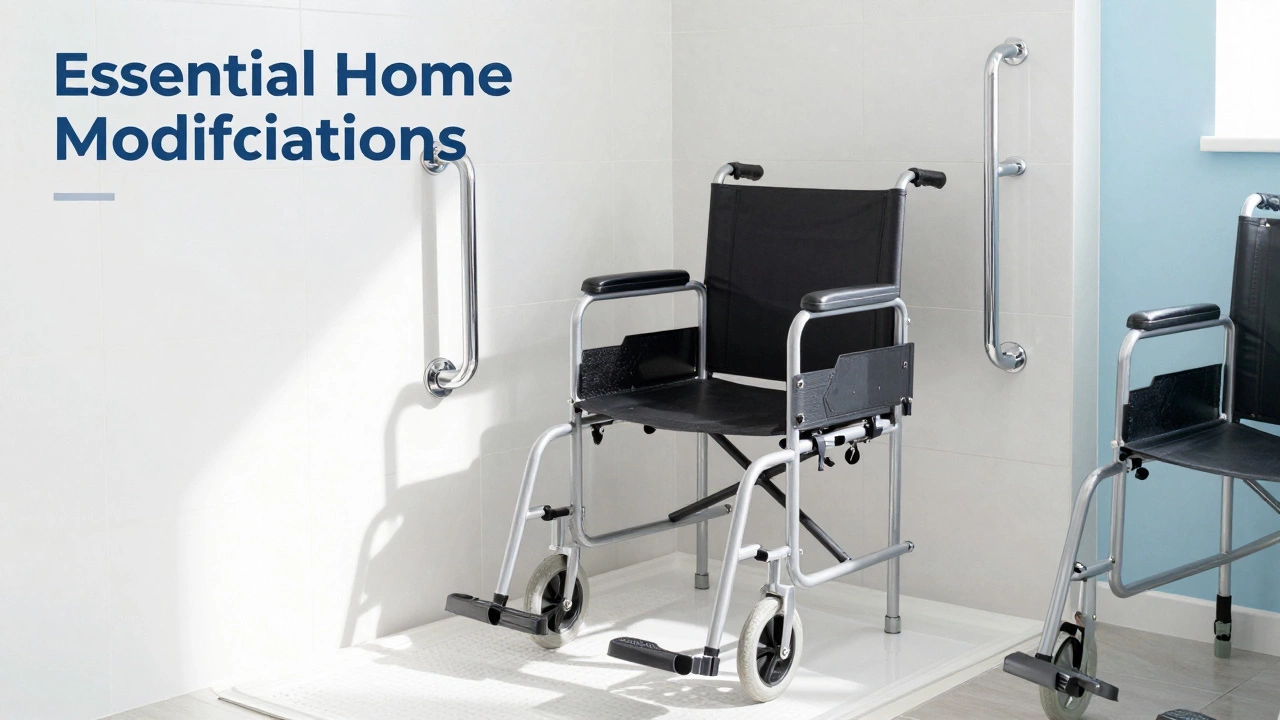
Essential Home Modifications for Solo Recovery
If you know you will be spending time alone during your recovery, preparing your home environment is non-negotiable. You need to minimize risks and maximize convenience so you aren’t straining yourself for basic needs.
| Area | Modification Needed | Reason |
|---|---|---|
| Bathroom | Install grab bars and a shower chair | Prevents falls; reduces strain on sternum while washing |
| Bedroom | Keep phone and medications on nightstand | Ensures quick access to help and meds without walking far |
| Kitchen | Store essentials on waist-level shelves | Avoids reaching high or bending low, which stresses the chest |
| Living Area | Remove loose rugs and clutter | Eliminates tripping hazards in case of dizziness |
| General | Use a walker or cane if prescribed | Provides stability and balance support |
Consider investing in a personal emergency response system (PERS). These devices are wearable buttons that connect directly to emergency services. Unlike a smartphone, which you might drop or forget to charge, a PERS pendant stays around your neck. Given the cost of a hospital readmission due to a preventable accident, this investment pays for itself in peace of mind.
Managing Medications and Symptoms Solo
One of the biggest challenges of living alone after heart surgery is adhering to a complex medication regimen. You may be taking beta-blockers, ACE inhibitors, statins, antiplatelets, and diuretics. Missing a dose or doubling up can lead to serious issues like low blood pressure, irregular heartbeat, or increased clotting risk.
To stay on track, use a weekly pill organizer. Fill it once a week when you have energy, or ask a pharmacist to pre-sort your doses. Set alarms on your phone for each medication time. Keep a logbook next to your pills to record any symptoms you experience, such as swelling in the legs, unusual bruising, or persistent coughing. This information is vital for your follow-up appointments.
Be vigilant about warning signs. If you experience chest pain that feels different from your surgical incision pain, sudden shortness of breath, or rapid weight gain (more than 2 pounds in a day), do not wait. Call emergency services immediately. Being alone means you cannot rely on someone else to notice these subtle changes in your condition.
The Role of Cardiac Rehabilitation
Cardiac rehabilitation, a supervised program of exercise, education, and counseling designed to improve heart health after surgery is arguably the most important factor in determining whether you can live independently. Studies show that patients who complete cardiac rehab have significantly lower mortality rates and better quality of life.
This program typically involves three sessions per week for 12 weeks. It provides a structured environment where nurses and physical therapists monitor your heart rate and blood pressure during exercise. More importantly, it offers social interaction and professional guidance. If you are living alone, attending these sessions becomes even more critical. It breaks the isolation and ensures you are progressing safely.
Do not skip rehab because you feel "fine." Fatigue and weakness are deceptive. What feels like laziness might actually be your heart struggling to pump efficiently. Rehab helps rebuild your stamina gradually, reducing the risk of overexertion when you are home by yourself.

Emotional Health and Loneliness
Physical recovery is only half the battle. Many patients report feeling anxious or depressed after returning home, especially if they are alone. The silence of an empty house can amplify fears about your health. It is common to worry about having a heart attack or stroke while no one is around to help.
Acknowledge these feelings. They are normal reactions to a major life event. Combat loneliness by scheduling regular check-ins with friends or family members. Even a brief video call can provide a sense of connection. Join online support groups for heart surgery survivors. Sharing experiences with others who understand what you are going through can reduce anxiety and provide practical tips for daily living.
If feelings of sadness persist for more than two weeks, talk to your doctor. Depression is a known complication after cardiac surgery and can hinder physical recovery. Treatment options include therapy and medication, both of which can be managed remotely if necessary.
Planning for Emergencies
Hope for the best, but plan for the worst. Create an emergency plan before you leave the hospital. Write down your medical history, current medications, allergies, and the names of your doctors. Keep this document in a visible place, such as taped to the refrigerator or saved on your phone’s lock screen.
Inform your neighbors that you have had recent surgery. Exchange phone numbers with them. Let them know that if they hear unusual noises or see your lights on late at night, they should check on you. Community awareness can be a lifeline in an emergency.
Ensure your home number is registered with local emergency services. Some regions offer priority dispatch for individuals with known medical conditions. Verify this service is active before you move back into your home alone.
How soon can I sleep alone after open-heart surgery?
Most doctors recommend having someone present for the first 7 to 10 nights after discharge. This allows for immediate assistance if you experience pain spikes, nausea, or breathing difficulties. After the first two weeks, if your recovery is stable, sleeping alone is generally considered safe, provided you have a phone nearby and no major complications.
Can I drive my car if I live alone after heart surgery?
Driving restrictions vary by country and surgeon, but typically you must wait 4 to 6 weeks before driving. You must be off narcotic pain medications and able to perform an emergency stop without pain. If you live alone, ensure you have alternative transportation arranged for errands until you are cleared to drive.
What are the red flags that mean I should not be alone?
Red flags include severe chest pain, difficulty breathing, fainting spells, rapid heart rate that doesn't settle, or signs of infection at the incision site (redness, pus, fever). If you experience any of these, seek help immediately and do not attempt to manage them alone.
Is it safe to cook for myself after heart surgery?
Light cooking is usually fine after the first week, but avoid lifting heavy pots or standing for long periods. Prepare meals in advance and freeze portions. Use electric appliances rather than gas stoves to reduce fire risk if you feel dizzy. Focus on heart-healthy foods like vegetables, lean proteins, and whole grains.
How does living alone affect my recovery speed?
Living alone can slow recovery if it leads to poor nutrition, missed medications, or lack of activity due to fear. However, with proper planning and adherence to cardiac rehab, independent patients can recover just as well as those with full-time caregivers. The key is proactive management of your health and environment.