Online Pharmacy Safety Checker
Use this tool to audit a potential online pharmacy. Check off each criterion that applies to the website you are considering.
Safety Checklist
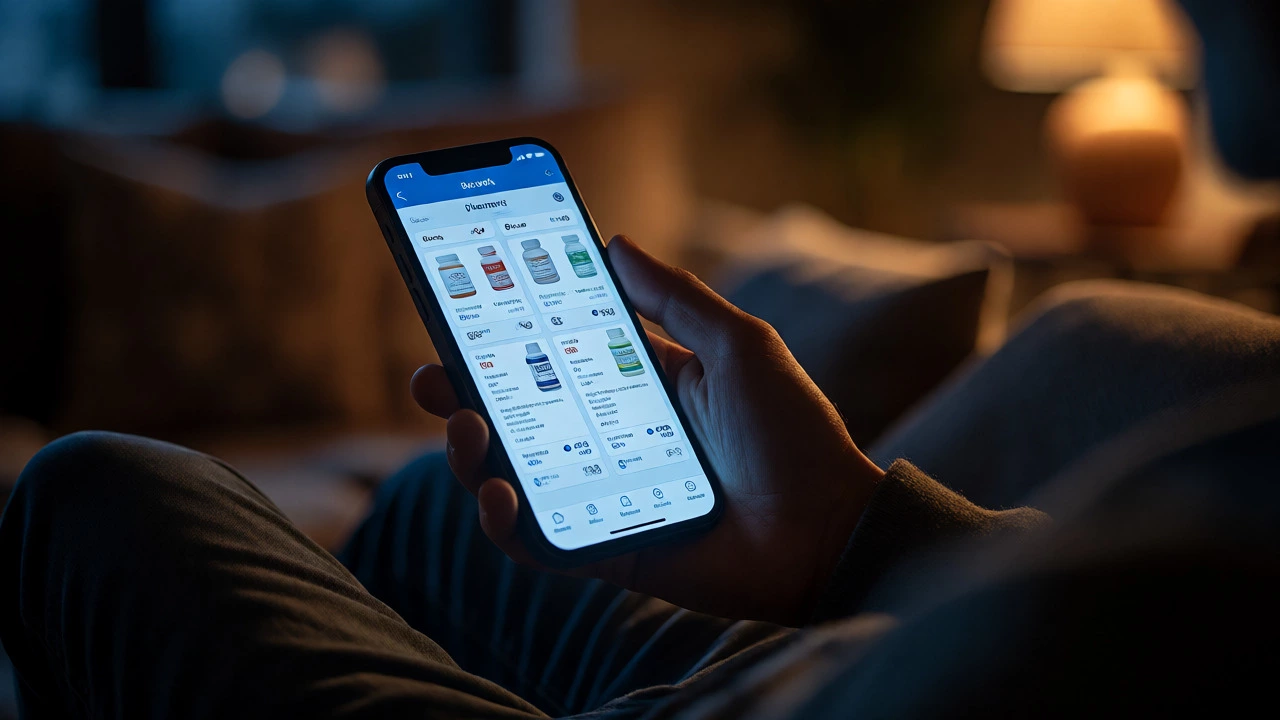
You’re sitting on your couch at 11 PM, realizing you forgot to refill your blood pressure meds. You pull out your phone, type in the drug name, and are greeted by twenty different websites promising half-price pills delivered by tomorrow. It’s tempting. But how do you know which one won’t send you counterfeit sugar pills or leak your medical history? Choosing an online pharmacy is less about finding the lowest price and more about verifying safety credentials. If you can’t see a physical address or a licensed pharmacist behind the screen, you’re gambling with your health.
Why Verification Matters More Than Price
The internet has democratized access to healthcare, but it has also opened the floodgates for unregulated sellers. In India alone, the digital health market is projected to hit significant growth milestones by 2027, bringing both convenience and chaos. When you buy medicine from a local chemist, you walk into a shop, see the license hanging on the wall, and talk to a human. An online pharmacy removes that physical trust anchor. You need to replace it with digital proof.
Counterfeit drugs aren’t just a scary statistic; they are a real risk. The World Health Organization estimates that up to 50% of medicines sold online without proper regulation may be substandard or falsified. This isn’t about saving ₹50 on paracetamol. It’s about ensuring that when you take an antibiotic for a serious infection, it actually contains the active ingredient needed to kill the bacteria. A reputable platform will always prioritize transparency over aggressive discounts.
Check for Legal Licenses and Certifications
This is your first line of defense. Every legitimate pharmacy operating in India must hold a valid retail drug license issued by the State Drug Controller. For online operations, this often extends to specific e-pharmacy registrations under the proposed or existing guidelines of the Ministry of Health and Family Welfare.
Look for these specific markers on the website footer or "About Us" page:
- Drug License Number: It should be clearly displayed. If you can’t find it, leave the site.
- Pharmacist Name and Registration: Who is supervising the dispensing? You should see a registered pharmacist’s name and their registration number with the State Pharmacy Council.
- Physical Address: A P.O. Box isn’t enough. You need a verifiable street address where the inventory is stored.
If a site claims to be "US-based" but ships globally with no mention of Indian regulatory compliance (like CDSCO approval), tread carefully. Buying international brands is fine, but the logistics chain must be cold-chain compliant if the drug requires refrigeration, like insulin.
The Prescription Requirement: A Non-Negotiable Red Flag
Here is a simple rule of thumb: If a website lets you buy Schedule H drugs (prescription-only medicines) without asking for a valid doctor’s prescription, run away.
Legitimate platforms require you to upload a photo of your prescription or verify it through a connected teleconsultation. They might offer a quick video call with a partner doctor to validate the script, which is convenient, but they cannot skip the step entirely. Sites that sell antibiotics or cardiac medications like "click-to-buy" without any verification are often operating in legal gray areas. While it feels faster, you lose the safety net of professional oversight. What if your dosage needs adjustment? What if there’s a contraindication with another supplement you’re taking? A real pharmacist checks these things.

Evaluate the Supply Chain and Storage Conditions
Medicines are chemical compounds sensitive to heat and humidity. Bangalore’s monsoon humidity or Delhi’s summer heat can degrade tablets if they aren’t stored correctly. Reputable online pharmacies invest heavily in warehousing infrastructure.
| Feature | What to Look For | Why It Matters |
|---|---|---|
| Storage Facilities | Cold chain storage (2-8°C) for biologics | Prevents degradation of insulin and vaccines |
| Inventory Turnover | Fresh stock batches with long expiry dates | Ensures potency and reduces waste |
| Packaging | Tamper-evident seals and insulated boxes | Protects integrity during transit |
| Sourcing Partners | Direct ties with manufacturers or major distributors | Reduces risk of counterfeits entering the supply chain |
Read customer reviews specifically mentioning the condition of the packaging upon arrival. Did the ice packs melt? Was the box crushed? These small details reveal how much care goes into the last mile of delivery.
Data Privacy and Security Standards
Your health data is sensitive. Unlike your shopping history for shoes, your medical records reveal vulnerabilities. When choosing an online pharmacy, check their privacy policy. Do they share your data with third-party advertisers? Under India’s Digital Personal Data Protection Act (DPDPA), companies have stricter obligations regarding consent and data handling.
Look for HTTPS encryption (the padlock icon in your browser). Beyond that, ask yourself: Does this platform use my prescription data to upsell me irrelevant supplements? A trustworthy pharmacy focuses on adherence and health outcomes, not just pushing high-margin vitamins. If you receive spam calls immediately after ordering, that’s a breach of trust and likely a violation of consent norms.
Customer Support: Can You Reach a Human?
Automation is great until something goes wrong. Imagine receiving the wrong strength of Thyroxine. You need immediate resolution. Test the support channels before you commit to a large order.
Send a query via WhatsApp or email. How fast do they respond? Is the response generic or tailored? A good sign is if they connect you to a qualified pharmacist who can answer clinical questions, not just a customer service rep reading from a script. Some top-tier platforms now integrate AI chatbots for basic tracking but escalate complex queries to humans within minutes. That hybrid model works best.

Comparing Costs: Hidden Fees vs. Real Savings
Don’t just look at the MRP discount. Calculate the final landed cost. Many sites offer 20% off but charge ₹49 for shipping on orders under ₹500. Others have subscription models that waive fees but lock you into recurring purchases.
Also, consider the cost of returns. If you ordered the wrong size of compression stockings, what is the return policy? Most pharmaceutical products are non-returnable due to hygiene reasons. Ensure you double-check the quantity and dosage before hitting pay. Compare prices across three trusted platforms rather than chasing the absolute cheapest outlier, which might indicate expired stock or parallel imports.
Integration with Telehealth Services
The future of buying medicine is seamless integration with doctors. Leading platforms now offer built-in teleconsultations. If you don’t have a current prescription, you can book a slot with a general physician directly on the app. This closes the loop between diagnosis and treatment.
However, be wary of conflict of interest. If the same entity owns the pharmacy and the clinic, ensure they aren’t over-prescribing. Look for platforms that allow you to bring your own prescription from your regular doctor. Flexibility is key. You want a pharmacy that serves your existing healthcare routine, not one that tries to replace your primary care provider.
Final Checklist Before You Click 'Buy'
Before you enter your card details, run through this quick mental audit:
- Is the drug license number visible and valid?
- Did I upload a valid prescription for restricted drugs?
- Are the expiry dates acceptable (at least 6 months away)?
- Is the seller’s location clear and reachable?
- Do I understand the return/refund policy?
Choosing an online pharmacy is a balance of convenience and caution. The right choice saves time and money, but only if it respects the gravity of what you’re consuming. Don’t let a flashy interface distract you from the boring but vital details of licensing and logistics.
Is it safe to buy medicines online in India?
Yes, provided you choose a platform that is registered with the Drug Controller General of India (DCGI) and holds a valid state drug license. Always verify the presence of a registered pharmacist and check for tamper-proof packaging upon delivery.
Can I buy antibiotics without a prescription online?
Technically, most antibiotics are Schedule H drugs requiring a prescription. Legitimate online pharmacies will insist on uploading a valid prescription. While some smaller sites might bypass this, doing so risks improper usage and contributes to antimicrobial resistance.
How do I check if an online pharmacy is fake?
Look for missing contact information, lack of a physical address, absence of a drug license number, and unrealistic discounts (e.g., 80% off branded drugs). Also, check if the website uses secure HTTPS protocols and has genuine user reviews on independent platforms.
What happens if I receive the wrong medicine?
Contact customer support immediately with photos of the received product and the invoice. Most reputable pharmacies have a replacement guarantee for wrong shipments. Note that opened medicines generally cannot be returned for hygiene reasons, so report issues before opening the seal if possible.
Are online pharmacies cheaper than local ones?
Often, yes, due to lower overhead costs and bulk purchasing power. However, factor in delivery charges and minimum order values. Sometimes, local chemists offer better deals on chronic medication refills if you build a relationship with them. Compare the total landed cost.