Metformin Shortage Navigator & Action Plan
Use this tool to generate a personalized action plan based on your current supply status and preferences during the 2026 metformin shortages.
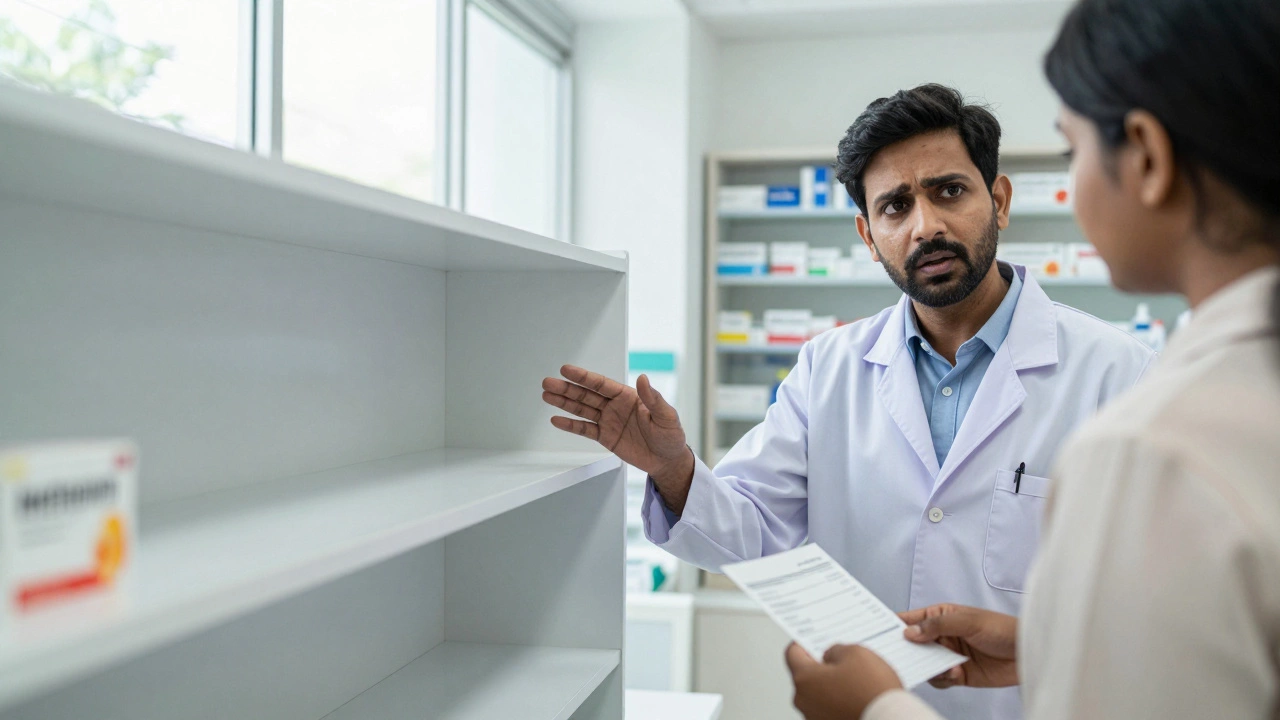
You walk into your pharmacy, hand over the prescription for Metformin is the most widely prescribed oral medication for type 2 diabetes worldwide, and the pharmacist shakes their head. "Out of stock," they say. "Maybe next month." If you’ve heard rumors that metformin is being discontinued permanently, take a deep breath. That headline is misleading. The drug isn’t going away forever, but it is facing significant supply chain disruptions and regulatory hurdles that are making it hard to find right now.
In May 2026, many patients are feeling the sting of these shortages. You might be wondering if this is a sign that the industry has abandoned this decades-old workhorse of diabetes care. The short answer is no. But the long answer involves complex issues with manufacturing quality, raw material sourcing, and new safety standards set by regulators like the US Food and Drug Administration (FDA) and similar bodies globally. Let’s break down exactly why your medicine cabinet might be empty and what you can do about it.
The Real Reason: NDMA Contamination Concerns
To understand why metformin is hard to get, we have to look at a chemical called N-Nitrosodimethylamine (NDMA). This is a probable human carcinogen found in trace amounts in various products, from bacon to some heartburn medications. In recent years, regulators began testing generic drugs more rigorously for NDMA levels.
Several major manufacturers of metformin had to voluntarily recall batches because they detected NDMA levels above the acceptable daily intake limits. This wasn't a sudden event; it was a rolling process. When a batch fails, the entire production line often stops until the facility can prove it has fixed the contamination issue. Since metformin is a low-cost generic drug, there are fewer profit margins to absorb the cost of re-engineering production processes. This leads to delays.
Here is the key distinction: the drug itself is not unsafe. The problem is the manufacturing process. Companies are working on new methods to produce metformin without creating NDMA as a byproduct. However, building new facilities or retrofitting old ones takes time. Until those upgrades are complete and approved, the supply remains tight.
| Issue Type | Description | Impact on Patient |
|---|---|---|
| Quality Recall | Drug fails safety tests (e.g., NDMA levels) | Immediate removal from shelves; temporary shortage |
| Raw Material Shortage | Lack of active pharmaceutical ingredients (API) | Slowdown in production; gradual stock depletion |
| Manufacturing Delay | Equipment failure or regulatory audit holds | Unpredictable restocking dates |
| Demand Surge | Sudden increase in prescriptions | Pharmacies run out faster than suppliers can replenish |
Why Is Metformin So Important?
If metformin were just one of many options, a shortage would be an annoyance. But it is the first-line treatment recommended by almost every major health organization, including the American Diabetes Association (ADA) and the World Health Organization (WHO). Why? Because it works well, it’s cheap, and it doesn’t cause weight gain or hypoglycemia (dangerously low blood sugar) when used alone.
Metformin helps your body use insulin more effectively. It also reduces the amount of glucose your liver produces. For millions of people with Type 2 Diabetes, this simple mechanism keeps their HbA1c levels (average blood sugar over three months) in check. Without it, patients face higher risks of complications like nerve damage, kidney disease, and vision loss.
The economic angle matters too. Brand-name alternatives can cost hundreds of dollars a month. Generic metformin often costs less than $10. When the cheap option disappears, the financial burden on patients skyrockets. This is why shortages feel so personal and urgent.
What Are Your Alternatives Right Now?
If you cannot get metformin today, do not just stop managing your blood sugar. Talk to your doctor immediately. There are other classes of medications that can bridge the gap while supplies stabilize.
- Sulfonylureas: Drugs like glipizide or glyburide stimulate the pancreas to release more insulin. They are very cheap and widely available, but they carry a higher risk of low blood sugar and weight gain.
- DPP-4 Inhibitors: Medications such as sitagliptin help the body maintain higher levels of incretin hormones, which regulate blood sugar. They are neutral regarding weight but may be more expensive.
- SGLT2 Inhibitors: Drugs like empagliflozin or dapagliflozin help your kidneys remove sugar through urine. These offer heart and kidney benefits but require monitoring for urinary tract infections.
- GLP-1 Receptor Agonists: Injectables like semaglutide are highly effective for blood sugar and weight loss but are often costly and subject to their own supply constraints.
Your doctor will choose based on your kidney function, heart health, insurance coverage, and personal preference. Remember, switching medications is not a failure. It is a strategic adjustment to keep you safe.
How to Navigate the Shortage Practically
Dealing with a medication shortage is stressful, but you can take proactive steps to secure your supply.
- Check Multiple Pharmacies: Inventory systems vary. One chain might be empty while an independent local pharmacy has a few boxes left. Use apps or call ahead to check stock before driving there.
- Ask for Different Formulations: Metformin comes in immediate-release (IR), extended-release (ER), and sometimes chewable tablets. If IR is gone, ER might still be available. Note that dosing schedules differ, so consult your pharmacist.
- Consider Compounding Pharmacies: In some regions, compounding pharmacies can prepare metformin capsules using verified raw materials. Ask your doctor if this is a viable option for you.
- Stock Up Responsibly: If you currently have a full supply, do not hoard. Save extra pills for emergencies. Hoarding worsens shortages for everyone else.
- Monitor Blood Sugar Closely: If you miss doses, check your glucose levels more frequently. Keep a log to show your doctor how the interruption affects your numbers.

Will Metformin Return?
Yes. History shows us that drug shortages are rarely permanent. When the FDA approves new manufacturing processes or existing plants clear their audits, production ramps up. We saw this with other medications in previous years. The goal is to ensure that the metformin returning to shelves meets strict safety standards for NDMA levels.
Regulators are also pushing for more transparency. Manufacturers must report potential shortages earlier, giving doctors and patients time to adjust. While the current situation in 2026 is frustrating, it reflects a system trying to improve safety, not abandon a critical drug.
Long-Term Outlook for Diabetes Care
This shortage highlights a vulnerability in our healthcare system: reliance on a single, low-cost solution. It may accelerate the adoption of newer therapies that offer additional benefits beyond blood sugar control, such as cardiovascular protection. However, metformin’s unique profile-low cost, high efficacy, minimal side effects-means it will likely remain the gold standard once supply stabilizes.
For now, stay informed, communicate openly with your healthcare provider, and avoid panic buying. Your health depends on consistency, not just the specific pill in your bottle.
Is metformin being banned permanently?
No, metformin is not being banned. It is facing temporary shortages due to manufacturing recalls related to NDMA contamination. Regulators are working with manufacturers to resolve these issues safely.
Can I switch to another diabetes medication temporarily?
Yes, but only under medical supervision. Your doctor can prescribe alternatives like sulfonylureas or DPP-4 inhibitors to manage your blood sugar while metformin is unavailable.
Why is there a metformin shortage in 2026?
The shortage is primarily due to ongoing efforts to eliminate NDMA, a potential carcinogen, from manufacturing processes. Several batches were recalled, slowing down production and distribution.
Is extended-release metformin easier to find?
Availability varies by region and manufacturer. Sometimes extended-release (ER) formulations are in stock when immediate-release (IR) is not, or vice versa. Check with multiple pharmacies.
What should I do if I run out of metformin?
Contact your doctor immediately for an alternative prescription. Do not skip blood sugar monitoring. Check different pharmacies and ask if they expect a shipment soon.