
Cancer Staging & Care Quiz
Is there really a "Stage 5"? How does palliative care differ from hospice? Take this quick quiz to clarify common misconceptions about advanced cancer based on standard medical guidelines.
Loading question...
You’ve probably heard of Stage 1, 2, 3, and maybe even Stage 4. But what about Stage 5? If you or a loved one has been diagnosed with cancer and the doctor mentions "Stage 5," it’s natural to feel confused. Does that mean it’s worse than Stage 4? Is there no hope left?
Here is the straight answer: There is no official "Stage 5" in standard cancer staging systems. The most common system, TNM (Tumor, Node, Metastasis), only goes up to Stage IV (Roman numeral 4). When people say "Stage 5," they are usually referring to metastatic cancer that has spread extensively, often involving multiple organs, or cancer that has returned after treatment (recurrence). Think of it as a colloquial way of describing disease that is too widespread for surgery to be an option and where the focus shifts entirely to managing symptoms and extending life.
| Official Stage | What It Means | Typical Treatment Focus |
|---|---|---|
| Stage I | Tumor is small and localized to one area. | Cure via surgery or radiation. |
| Stage II & III | Larger tumor; may have spread to nearby lymph nodes. | Surgery plus chemo/radiation. |
| Stage IV | Cancer has spread to distant parts of the body (metastasis). | Systemic therapy (chemo, immunotherapy); palliative care. |
| "Stage 5" (Colloquial) | Extensive metastasis, organ failure, or recurrent cancer not responding to standard treatments. | Palliative care, hospice, clinical trials, symptom management. |
Why Do People Talk About Stage 5?
If doctors don’t use it, why do patients and families keep saying it? Mostly because language evolves when we’re scared. "Stage 4" sounds bad enough, but when the cancer keeps growing despite aggressive treatment, people instinctively look for the next number. It feels like a logical progression: if 4 is bad, 5 must be worse.
In reality, cancer staging is based on anatomy-how big the tumor is and where it has gone-not just how sick the patient feels. A person can have Stage 4 lung cancer and still feel relatively okay for months, while someone with a smaller tumor might decline quickly due to other health issues. "Stage 5" is essentially a shorthand for "the cancer has won the battle for containment." It implies that the disease is no longer curable and that the medical team is shifting from trying to eliminate every last cell to keeping the patient comfortable and alive as long as possible.
The Real Meaning of Advanced Cancer
When oncologists talk about the end stages, they aren’t looking at a single number. They look at performance status. This is often measured using scales like the ECOG (Eastern Cooperative Oncology Group) scale. If a patient spends more than 50% of their waking hours in bed or a chair, unable to care for themselves, that’s a significant marker. This functional decline is what people often mistake for a higher "stage."
Let’s break down what actually happens in these advanced scenarios:
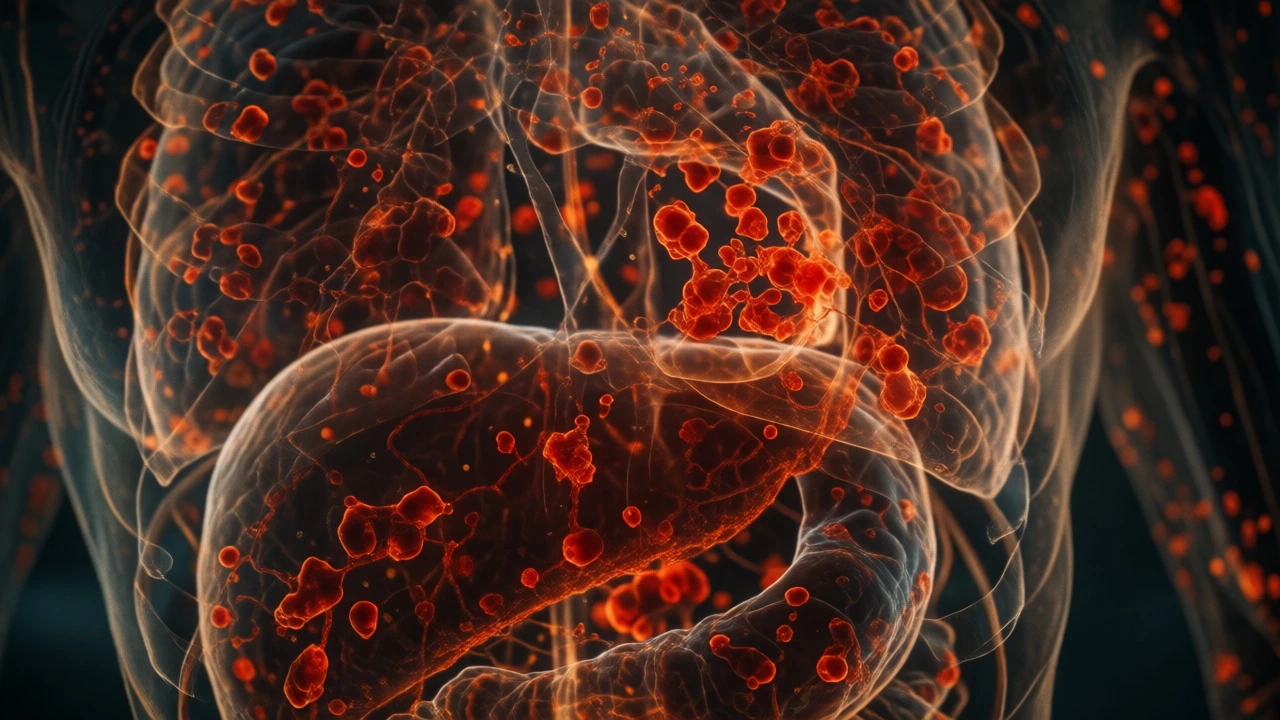
- Widespread Metastasis: The cancer isn’t just in one spot. It’s in the liver, bones, lungs, and brain simultaneously. Treating one spot doesn’t help the others.
- Organ Dysfunction: The tumors are pressing on vital organs. Maybe the liver can’t filter blood properly, or the kidneys are failing. This limits what drugs can be used because the body can’t process them.
- Resistance to Therapy: You’ve tried chemotherapy, targeted therapy, and maybe immunotherapy. The cancer cells have mutated again and learned to survive those attacks. At this point, further aggressive treatment might cause more harm than good.
What Happens When Standard Treatments Stop Working?
This is the critical juncture where the term "Stage 5" usually pops up. If you are here, you might wonder: "Is there anything left to try?" The answer is yes, but the goals change.
First, consider clinical trials. These are research studies that test new drugs or combinations that haven’t been approved yet. Sometimes, a new immunotherapy drug can shrink tumors that resisted older chemos. Ask your oncologist specifically about trials matching your specific genetic mutations. For example, if you have a rare mutation in the KRAS gene, there might be a trial for a new inhibitor that could buy you time.
Second, palliative care is not just for the final days. It is specialized medical care focused on providing relief from the symptoms and stress of a serious illness. Studies show that patients who receive early palliative care alongside standard treatment often live longer and report better quality of life. It’s not giving up; it’s adding a layer of support to manage pain, nausea, fatigue, and anxiety.
Third, hospice care becomes relevant when life expectancy is estimated to be six months or less. Hospice focuses entirely on comfort. No more hospital trips for blood draws, no more side effects from toxic drugs. Just peace, dignity, and support for both the patient and the family.
Common Misconceptions About End-Stage Cancer
There’s a lot of fear-based information out there. Let’s clear up a few myths that make this journey harder than it needs to be.
Myth 1: "If it's Stage 4/5, nothing can be done." This is false. While cure might be off the table, control is often possible. Many people live years with metastatic breast or prostate cancer thanks to modern hormonal therapies and targeted drugs. The disease becomes a chronic condition rather than an immediate death sentence.
Myth 2: "Pain means it’s getting worse." Pain fluctuates. It can be caused by inflammation, nerve pressure, or even stress. Effective pain management protocols exist today that didn’t exist twenty years ago. Don’t suffer in silence thinking pain is inevitable.
Myth 3: "I should stop eating sugar to starve the cancer." While maintaining a healthy diet is important, there is no scientific evidence that cutting out all carbohydrates will stop cancer growth. In fact, malnutrition can weaken you faster than the cancer itself. Focus on high-protein, easy-to-digest foods to maintain strength.

How to Prepare for Conversations with Your Doctor
If you are facing advanced cancer, clarity is your best friend. Doctors sometimes speak in code to protect feelings, which leads to confusion. Here is how to cut through the noise:
- Ask for the "Best Case, Worst Case, Average Case": Instead of asking "Will I die?", ask "What is the best likely outcome? What is the worst? And what is the average?" This gives you a realistic range.
- Clarify the Goal of Treatment: Ask explicitly: "Are we treating this to cure it, to slow it down, or to keep me comfortable?" Knowing the goal helps you weigh the side effects against the benefits.
- Discuss Performance Status: Ask how your daily activity level affects treatment options. If you are already spending most of the day resting, aggressive chemo might be too hard on your body.
It’s also helpful to bring a second opinion, especially if you are considering stopping active treatment. Another oncologist might see a different path, such as a specific clinical trial or a different combination of drugs that hasn’t been tried yet.
The Emotional Toll of Advanced Diagnosis
We often forget the mental side of "Stage 5." Anxiety, depression, and existential dread are normal reactions. You are grieving a future you thought you’d have. Support groups can be incredibly valuable here. Talking to others who understand the specific nuances of living with incurable cancer reduces isolation.
Family dynamics shift too. Caregivers often burn out. It’s crucial to set boundaries and accept help. Whether it’s a neighbor bringing dinner or hiring professional home care, sharing the load prevents resentment and exhaustion.
Is Stage 4 cancer always terminal?
No, not always. While Stage 4 means the cancer has spread to distant parts of the body, some types respond very well to systemic treatments. Patients with certain cancers, like testicular cancer, thyroid cancer, or some breast cancers, can live for many years with Stage 4 disease, effectively turning it into a manageable chronic condition.
What is the difference between palliative care and hospice?
Palliative care is specialized medical care for people living with a serious illness. It can be provided at any age and at any stage in a serious illness, and it can be provided along with curative treatment. Hospice care is a type of palliative care specifically for people who are in the final stages of an illness and are no longer seeking curative treatment, typically when life expectancy is six months or less.
Can cancer skip stages?
Yes. Some aggressive cancers grow rapidly and can appear to jump from early detection directly to metastatic disease within weeks or months. Others remain dormant for years before suddenly spreading. Staging reflects the state of the disease at the moment of diagnosis, not necessarily a linear timeline of growth.
Does "Stage 5" mean the patient has only weeks to live?
Not necessarily. Since "Stage 5" isn't a medical term, prognosis varies wildly. One patient might have extensive bone metastases but stable organ function and live for over a year. Another might have rapid organ failure and pass away within weeks. Prognosis depends on the type of cancer, the location of metastases, and the patient's overall health, not just the spread.
Should I stop chemotherapy if I reach "Stage 5"?
This is a personal decision made with your doctor. If chemotherapy is shrinking tumors and improving quality of life without severe side effects, continuing it makes sense. However, if the side effects are debilitating and the tumor is growing despite treatment, stopping to prioritize comfort through palliative care is often the better choice for quality of life.