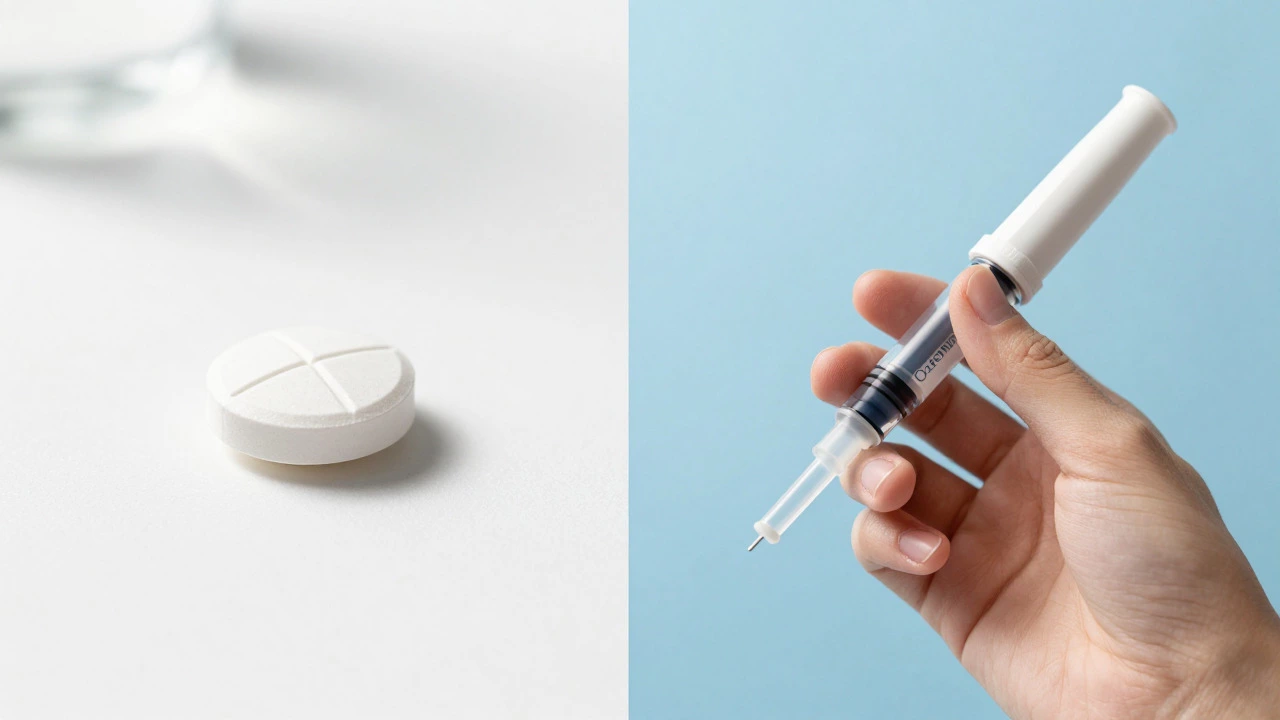
Metformin vs. Ozempic: Which Is Right for You?
Answer five quick questions and see which medication aligns best with your goals. This is an educational guide, not a prescription.
Your Personalized Suggestion
Educational tool only. Always confirm your treatment plan with your doctor, who will consider kidney function, HbA1c levels, and your full medical history.
Quick Summary / Key Takeaways
- Metformin and Ozempic are both used to treat Type 2 diabetes but work in completely different ways.
- Metformin is an oral pill taken daily; Ozempic is a weekly injection that targets gut hormones.
- Ozempic typically leads to more significant weight loss than Metformin, which may cause slight weight gain or be neutral.
- Cost and insurance coverage vary significantly, with Metformin being much cheaper and widely available as generic.
- Your doctor will choose based on your specific health profile, including kidney function, blood sugar levels, and weight goals.
The Core Difference: How They Work
If you’ve been prescribed one of these medications, you might wonder why they’re so different. Metformin is a biguanide medication that reduces glucose production in the liver and improves insulin sensitivity. It has been the first-line treatment for Type 2 Diabetes for decades because it’s effective, safe, and affordable. On the other hand, Ozempic (semaglutide) belongs to a newer class of drugs called GLP-1 receptor agonists. These drugs mimic a natural hormone in your body that helps regulate blood sugar and appetite.
Think of it this way: Metformin tells your liver to stop making extra sugar and makes your cells better at using the insulin you have. Ozempic slows down how fast food leaves your stomach and signals your brain that you’re full. Because their mechanisms are distinct, they can sometimes even be used together if needed.
Administration and Convenience
This is often the biggest practical difference for patients. Metformin comes in tablet form. You usually take it once or twice a day with meals to reduce stomach upset. It’s simple: swallow a pill, done. No special storage, no needles, no devices.
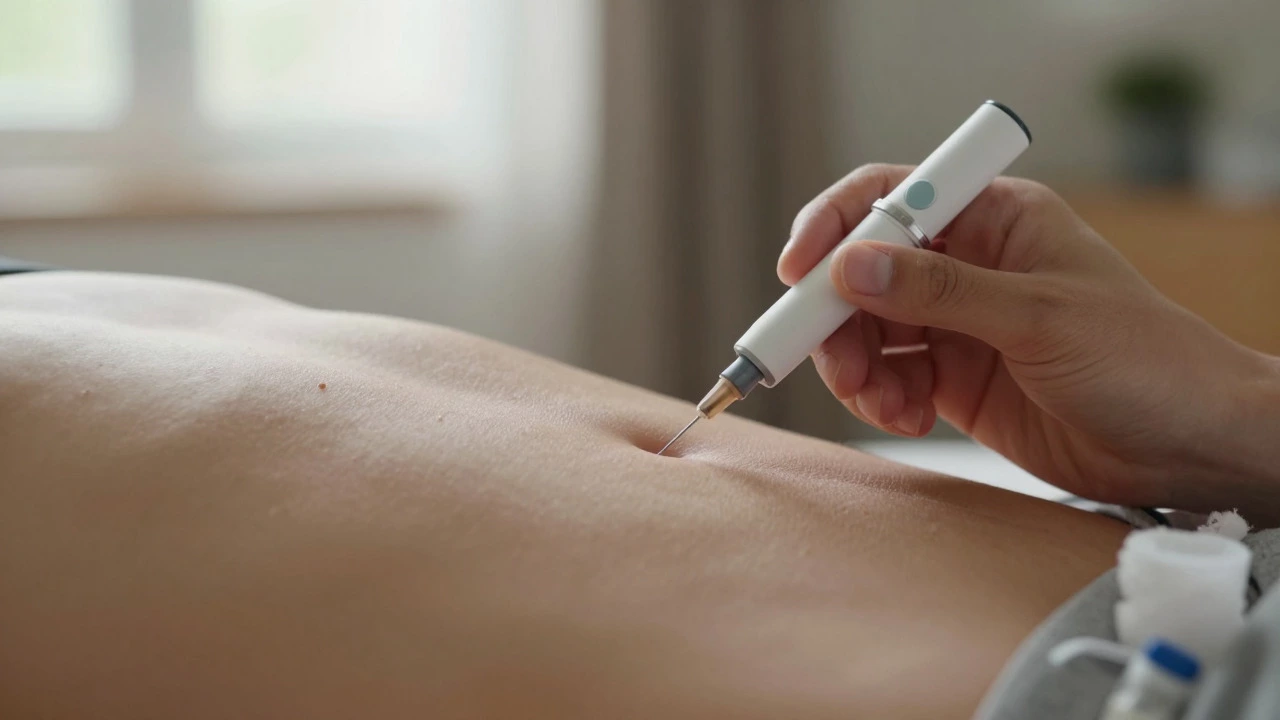
Ozempic, however, requires a subcutaneous injection once a week. It comes in a pre-filled pen that you use under the skin, usually in your abdomen, thigh, or upper arm. While some people dread needles, many find the weekly routine easier than remembering to take pills every single day. The pen is small and discreet, but you do need to learn how to use it properly and dispose of the needles safely.
| Feature | Metformin | Ozempic |
|---|---|---|
| Form | Oral Tablet | Subcutaneous Injection |
| Frequency | Daily (1-2 times) | Weekly |
| Storage | Room temperature | Refrigerated (unopened), room temp (opened up to 56 days) |
| Needle Required | No | Yes |
Weight Loss Impact
One of the most common questions is about weight. For years, doctors assumed that all diabetes meds would make you gain weight. Metformin was the exception-it’s generally weight-neutral or can lead to modest weight loss. If you lose weight on Metformin, it’s usually around 2-4 kg over several months.
Ozempic has changed the game here. Clinical trials show that semaglutide users often lose significantly more weight, sometimes 10-15% of their body weight. This happens because the drug suppresses appetite and slows gastric emptying. If weight management is a major goal alongside blood sugar control, Ozempic is often the stronger candidate. However, not everyone loses weight, and results vary based on diet and activity levels.
Side Effects and Tolerability
Both medications have side effects, but they hit different parts of your body. The most common complaint with Metformin is gastrointestinal distress-nausea, diarrhea, gas, or bloating. This usually happens when you start taking it or increase the dose. Taking it with food helps a lot. A rare but serious risk is lactic acidosis, especially if you have severe kidney problems or drink excessive alcohol.
Ozempic also causes digestive issues like nausea, vomiting, constipation, or diarrhea. Since it slows down digestion, these symptoms are very common in the first few weeks. Some people experience pancreatitis or gallbladder issues, though these are less frequent. The key takeaway? Start low and go slow. Your doctor will likely start you on a lower dose of Ozempic and gradually increase it to let your body adjust.

Cost and Accessibility
Let’s talk money. Metformin is available as a generic drug. In India, a month’s supply can cost as little as a few hundred rupees. Insurance plans almost always cover it because it’s standard care. It’s easy to get from any pharmacy without complex prior authorizations.
Ozempic is a branded biologic drug. It’s significantly more expensive. In the US, it can cost hundreds of dollars per month without insurance. In India, it’s imported and priced higher than generics. Insurance coverage varies; some plans require proof that you tried other treatments first. If cost is a barrier, ask your doctor about patient assistance programs or consider whether the added benefit justifies the price for your specific situation.
Who Is Each Drug Best For?
There is no “better” drug for everyone. It depends on your health profile.
- Choose Metformin if: You are newly diagnosed with Type 2 diabetes, have normal kidney function, want an affordable option, and prefer pills over injections. It’s the standard starting point for most patients.
- Consider Ozempic if: You have struggled to control blood sugar with Metformin alone, have cardiovascular disease (Ozempic has shown heart benefits), want to prioritize weight loss, or forget to take daily pills. It’s often used as add-on therapy or first-line for high-risk patients.
Many patients actually use both. Metformin handles the liver and insulin resistance, while Ozempic handles appetite and glucose spikes after meals. Together, they offer a comprehensive approach to managing Type 2 Diabetes.
Frequently Asked Questions
Can I switch from Metformin to Ozempic?
Yes, but don’t do it on your own. Your doctor will decide if switching makes sense based on your HbA1c levels, weight, and side effects. Sometimes they keep you on Metformin and add Ozempic instead of replacing it entirely.
Does Ozempic work for Type 1 Diabetes?
It is not primarily approved for Type 1 Diabetes, but some endocrinologists prescribe it off-label to help reduce insulin doses and manage weight. Always consult a specialist before trying this.
Which one is safer for long-term use?
Metformin has decades of safety data and is considered very safe for long-term use. Ozempic has fewer years of data but shows strong cardiovascular benefits. Both are generally safe for most people when monitored by a doctor.
Do I need to refrigerate Ozempic?
Unopened pens must be kept in the fridge (2°C to 8°C). Once you start using the pen, it can stay at room temperature (below 30°C) for up to 56 days. Don’t freeze it, and keep it away from direct heat or light.
Will Metformin make me gain weight?
Usually not. Metformin is weight-neutral or can lead to slight weight loss. Weight gain is more associated with other diabetes meds like sulfonylureas or insulin, not Metformin.