Cancer Survival Rates: What They Really Mean and How They Affect Your Choices
When you hear cancer survival rates, the percentage of people alive a certain number of years after a cancer diagnosis, often used to compare treatment effectiveness and disease aggressiveness. Also known as five-year survival rates, these numbers help doctors and patients understand how a cancer typically behaves—not what will happen to you, but what’s happened to others like you. They’re not fate. They’re data. And in India, where access to care, early detection, and treatment quality vary widely, these numbers mean different things depending on where you live, what type of cancer you have, and how early it was caught.
Survival rates don’t tell you if you’ll live or die. They show patterns. For example, if breast cancer has a 70% five-year survival rate in India, it means 70 out of 100 people diagnosed with that cancer were still alive five years later. That doesn’t mean you’re in the 70% or the 30%. It means, across thousands of cases, treatment and timing made a difference. The same goes for lung cancer, where survival drops sharply if caught late—but improves dramatically with screening and early intervention. These stats are tied to cancer prognosis, an estimate of how a disease will progress based on type, stage, and patient health, which is shaped by things like nutrition, access to radiation or chemotherapy, and even mental health support. In India, where many delay care due to cost or fear, survival rates often look worse not because the cancer is deadlier, but because it’s found too late.
These numbers also connect to cancer treatment outcomes, the measurable results of medical interventions, including tumor shrinkage, symptom relief, and extended life. A higher survival rate doesn’t always mean better quality of life. Some treatments extend life by months but leave patients too weak to enjoy it. Others, like targeted therapies or immunotherapy, are changing outcomes faster than old survival stats can keep up. That’s why newer data from Indian hospitals—like those in Bangalore, Delhi, or Pune—is more useful than national averages. And it’s why knowing your exact cancer type, stage, and genetic markers matters more than any broad statistic.
What you’ll find in the posts below aren’t just numbers. They’re real stories, clear explanations, and practical insights from people who’ve walked this path. You’ll see how survival rates shift with early detection, how lifestyle changes can improve outcomes, and why some treatments work better than others in the Indian healthcare context. No fluff. No fearmongering. Just what you need to understand your options—and make smarter, calmer decisions.
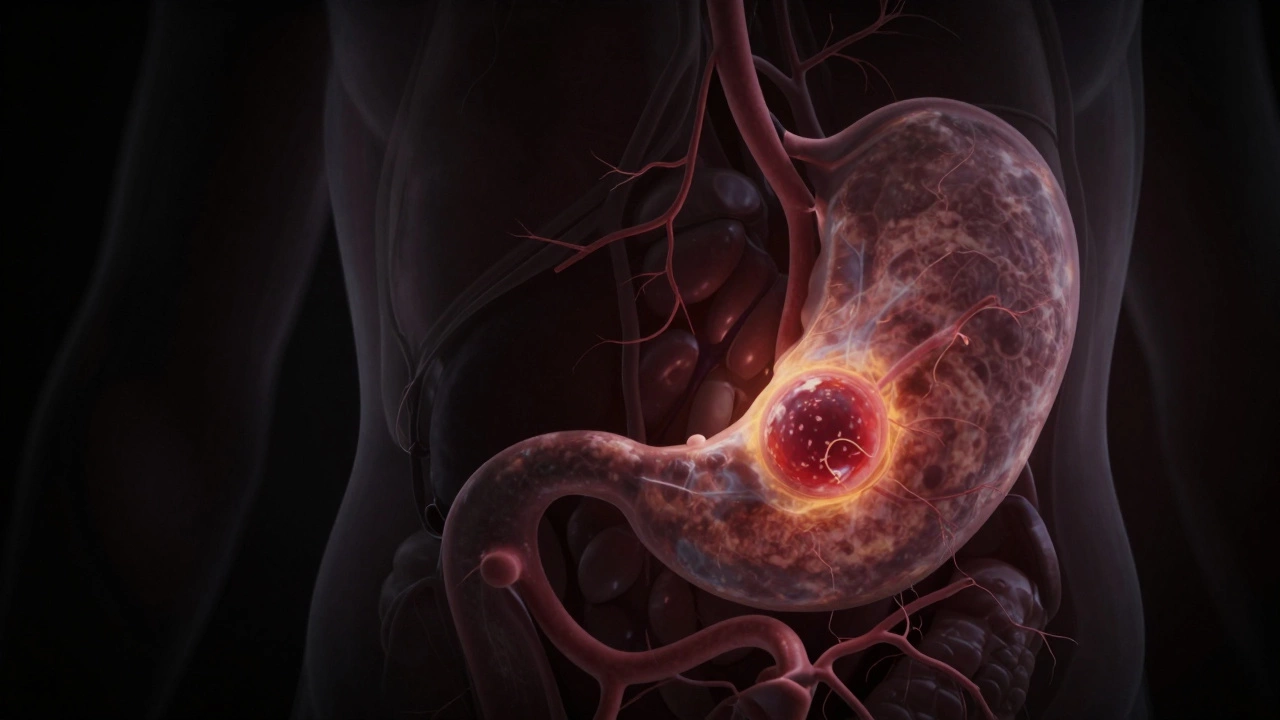
What Is the Most Feared Cancer and Why It Strikes Such Fear
•20 Mar 2026
Pancreatic cancer is the most feared cancer due to its silent progression, late diagnosis, and extremely low survival rate. Learn why it's so deadly and what steps you can take to protect yourself.

What Is Worse: Stage 3 or Stage 4 Cancer?
•4 Mar 2026
Stage 3 and stage 4 cancer differ in spread, treatment goals, and survival rates. While stage 4 is generally more advanced, outcomes vary widely based on cancer type, genetics, and new therapies. Understanding the real differences helps make informed decisions.

Understanding Cancers with the Lowest Survival Rates
•25 Jan 2025
Some types of cancer present challenging odds for survival, making it crucial to understand which have the lowest survival rates. This article delves into the factors contributing to these statistics while highlighting medical advancements on the horizon. Readers will gain insights into both the most severe types and ways to support ongoing cancer research.